
Table of Contents
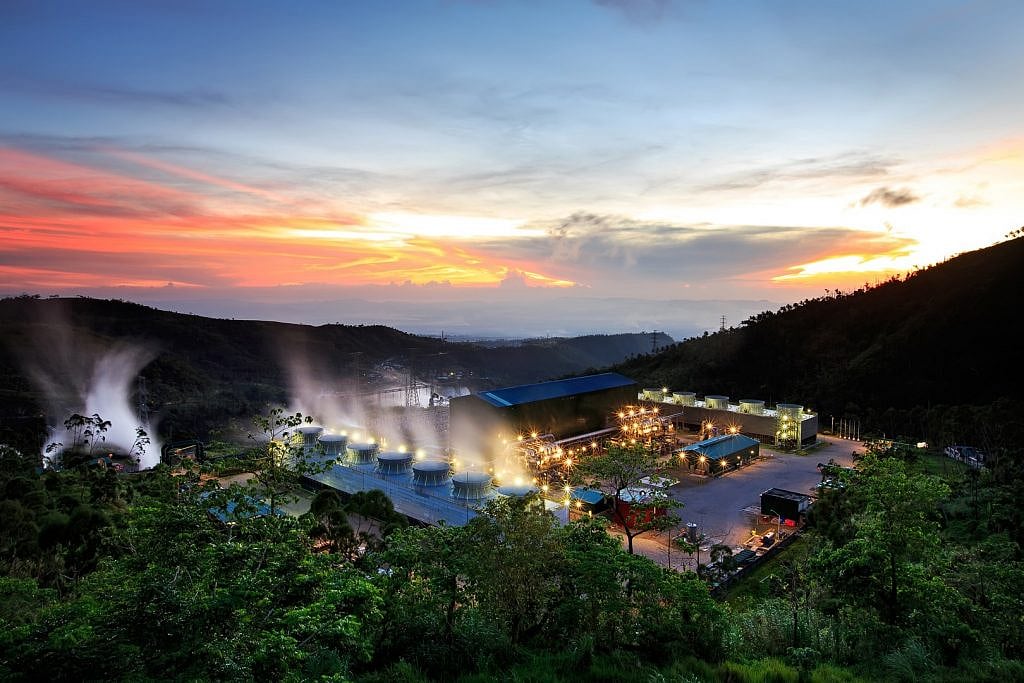
TIWI, Philippines: As one approaches the Tiwi Geothermal Power Plant in Albay, about 465km south-east of Manila, the landscape gives little hint that beneath it lies one of the Philippines’ most important energy stories.
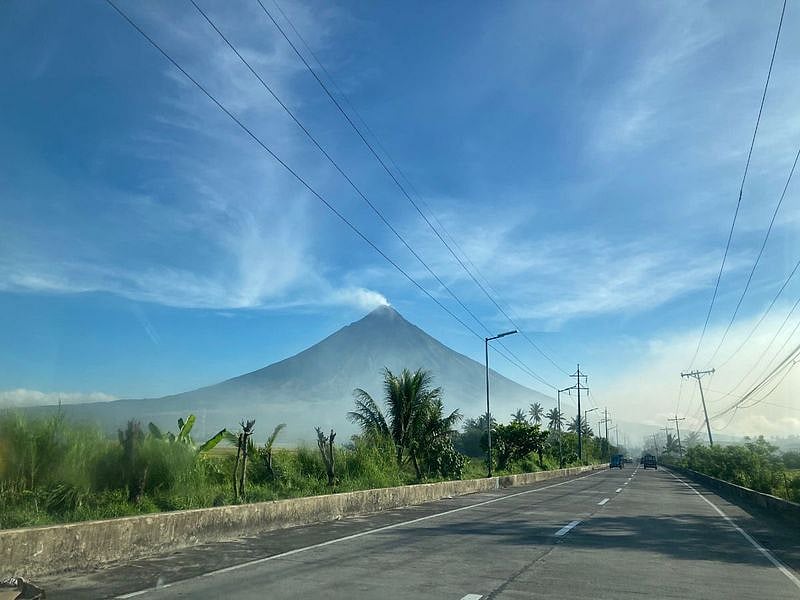
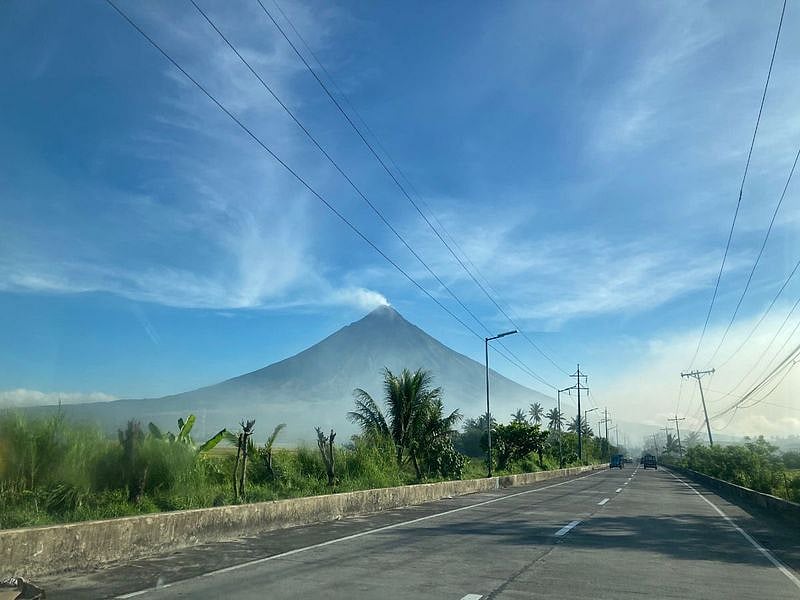
The Tiwi power plant sits next to the majestic Mt. Mayon (height 2,462m), one of the Philippines’ most active volcanoes popular with tourists.
Steam rises from a field shaped by the heat of the earth, a reminder that this was once a bold national experiment.

Tiwi’s geothermal potential was studied from the 1960s, developed in the 1970s as the oil shocks exposed the country’s vulnerability to imported fuel.
Get it: Fast, verified news for FREE … download the Gulf News app — simply click here
Development accelerated, leading to a complex with 7 units (six main 55-megawatt [MW] turbine-generators across 3 traditional power plants, plus one newer “binary” 17-MW power plant unit) generates about 350 MW for the Luzon grid.
Tiwi’s new binary plant, started only recently, captures leftover residual heat from existing brine processes without requiring extra well drilling.
In 2022, SM Investments Corp., the holding company of the Sy-blings, the family behind retail giant SM, took full control of Philippine Geothermal Production Company Inc. (PGPC), which operates the Tiwi powerplant.
Despite the unrest from the nearby Mayon Volcano, the facility’s operations remain stable and unaffected.
Tiwi is not the only geothermal power game in town
PGPC also operates Mak-Ban (Makiling-Banahaw) steam field.
The Philippines has seven major geothermal fields containing around 55 operational power units/plants distributed across the country, as per ScienceDirect.
The Philippines is rich in geothermal power because it sits directly along the “Pacific Ring of Fire”, an area with heavy volcanic (24 currently active) and tectonic activity that traps intense heat close to the Earth’s surface.
All told, the Asian nation currently produces 2,057 MW of installed geothermal capacity, about 6.4% of its total electricity generation in 2025.
The Philippines currently hosts the largest single geothermal asset in Asia — the Unified Leyte Geothermal Power Plant.
But in recent years, the country has slid down global rankings: It currently sits in third place globally, trailing behind the United States and Indonesia.
Now, the country wants to regain its lead.
And it’s pouring billions into this drive to unlock what’s known as the ‘perfect’ baseload power.
Unlike intermittent renewable sources like solar or wind, geothermal energy provides continuous, 24/7 baseload power.
$12.6 billion needed
The Philippines’ Department of Energy (DoE) has stated that the Philippines needs to attract $12.6 billion in fresh investments to explore and build 2,100 megawatts (MW) of untapped capacity as part of an aggressive campaign to reclaim its title as the world’s second-largest geothermal energy producer.
Speaking at the 7th Philippine International Geothermal Conference in Lipa City, Batangas, DOE Secretary Sharon Garin clarified the massive scale of funding needed to secure the country’s clean energy grid.

Unlocking ‘perfect’ baseload power
Unlike intermittent renewable sources like solar or wind, geothermal energy provides continuous, 24/7 baseload power.
Garin dubbed geothermal as her “favourite renewable source” because its operational demands naturally require companies to protect surrounding watersheds, trees, and local indigenous communities.
However, the country has slid down global rankings, it currently sits in third place globally, trailing behind the US and Indonesia.
₱10.7-billion exploration ‘de-risking’ fund
The primary roadblock to unlocking this power source is the financial gamble of deep-well exploration.
Energy developers must shell out between $10 million and $12 million per exploratory well with zero guarantee of finding a commercially viable heat source.
To kickstart the momentum, the government has officially operationalised the ₱10.7-billion ($170 million) Philippine Geothermal Resource De-Risking Facility (PGRDF), backed by a sovereign loan from the Asian Development Bank (ADB) and disbursed via the Land Bank of the Philippines.
Here’s how it works: Developers receive cost-shared support covering up to 50 percent of drilling costs via convertible loans.
The deal: If the exploration successfully locates steam, the funding becomes a standard repayable loan.
If the drilling hits a dry well, the debt is completely converted into a government grant, absorbing the private sector’s financial downside.
12 firms show interest
So far, 12 energy companies have already lined up service contracts to tap this fund, including the country’s leading player, the Lopez-led Energy Development Corporation (EDC), which seeks to expand its Amacan geothermal project in Mindanao.
Funding gap
While the active ₱10.7-billion facility is a historic milestone, energy officials emphasize it is only a starting point.
Current facility range: Capable of derisking roughly 300 MW of new capacity.
Future targets: To fully exploit the remaining 2,100 MW of greenfield volcanic reserves, Secretary Garin noted that the state’s specialised de-risking mechanisms must eventually scale up by another ₱60 billion ($1.07 billion) to fully draw in the wider $12.6 billion global investment requirement