
Table of Contents
As Muslims across the UAE observe Ramadan, maintaining energy levels and a healthy weight during long fasting hours can be challenging. Nutrition experts told Gulf News that one approach gaining attention is combining fibre-rich foods with protein-forward meals, which can help manage hunger, support digestion, and promote overall well-being.
What is ‘fibermaxxing’?
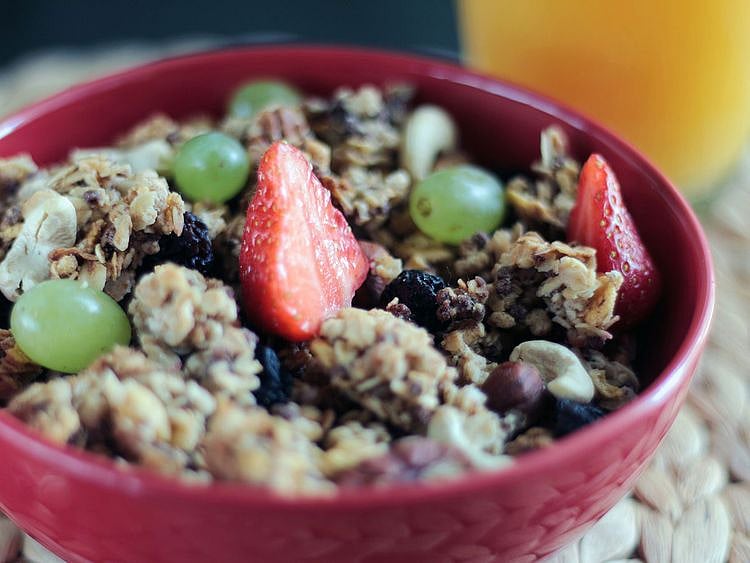
One popular trend that highlights this approach is “fibermaxxing” – popularised on social media in recent years, which simply means increasing intake of fibre-rich foods.
“So instead of sounding fancy, it includes fibre-rich foods like beans, fruits, vegetables, whole grains, and seeds in your diet,” said Heenana Mustaheena, clinical dietician at LLH Hospital in Musaffah, Abu Dhabi. “During fasting, consuming more fibre-rich foods, helps you feel full and keeps your digestion smooth.”


Power of protein pair
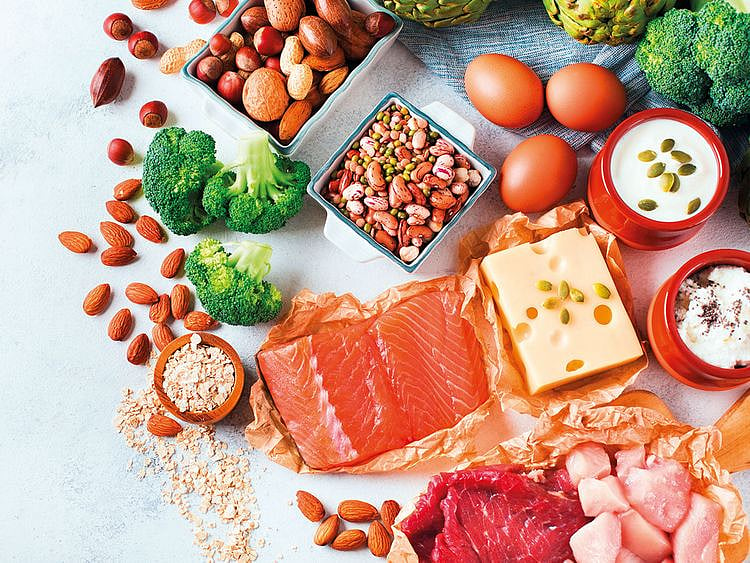
Heenana pointed out that consuming enough protein like eggs, chicken, fish, lentils, and yogurt help maintain muscle strength, reduce hunger, and prolong satiety.
“When you combine fibre and protein, you stay satisfied longer, eat fewer unhealthy snacks and manage your weight better. It helps keep blood sugar steady and supports overall health while fasting.”
Suhoor, iftar blueprint
For suhoor, Heenana recommend a balanced plate: protein sources, fibre-rich vegetables, small portions of healthy fats such as nuts or seeds, and plenty of water. A well-planned suhoor helps sustain energy and prevent mid-day hunger.
During iftar, breaking the fast gradually with water and light foods is crucial. Include lean protein and vegetables, while limiting very salty or spicy foods that may trigger dehydration.
“Eat a mix of fibre-rich foods, protein, healthy fats, and drink enough water. Doing this helps control hunger, manage weight, and keep your body healthy during fasting.”
Common pitfalls
Overloading on fibre without enough water can cause bloating and constipation, while high-protein meals without hydration may lead to fatigue or headaches, making it harder to stay active and control weight.
Fried or oily protein dishes add extra calories, and ignoring portion control – even with healthy foods – can prevent weight loss. She also cautioned that focusing solely on protein while neglecting other nutrients can slow metabolism.
‘Stay fit’ checklist
Drink enough water between iftar and suhoor.
Eat a balance of fibre, protein, healthy fats, and whole grains.
Choose grilled, baked, or boiled foods instead of fried.
Keep portions moderate to support weight and metabolism.
“A balanced diet with enough water, moderate calories, and a variety of nutrients helps digestion, energy, metabolism and maintains a healthy weight during Ramadan,” Heenana added.