
Table of Contents
Manila: Opposition to the Philippines’ participation in the US-led Pax Silica initiative is no longer confined to protests, petitions and social-media campaigns.
A senior Philippine trade official says some investors are now asking whether the planned project will actually proceed.
Trade Undersecretary Ceferino Rodolfo said Monday that US officials and businesses had raised questions about the proposed high-tech industrial site in New Clark City after seeing protests and negative online sentiment surrounding Pax Silica.

“The investors are kind of — maybe too strong a word — but they are being spooked by what is happening,” Rodolfo said at a Foreign Correspondents Association of the Philippines forum, according to Bloomberg.
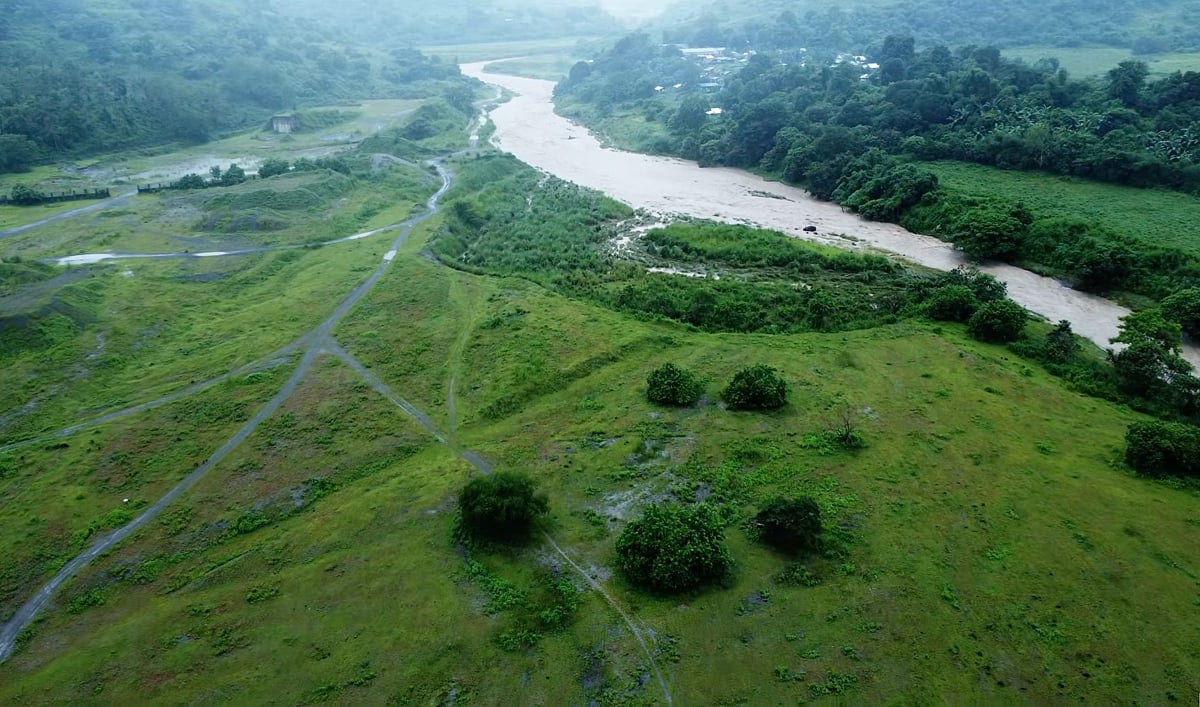
Investors are asking whether the Philippines will push ahead with a planned high-tech manufacturing hub in New Clark City, highlighting how protests and online opposition can affect an investment pitch even before major projects are built.
That does not mean investors are pulling out. Nor does it establish that the project is in danger of being cancelled. But it shows that political and social resistance itself can become an investment risk, particularly for projects requiring billions of dollars and long-term commitments.
What is Pax Silica?
Pax Silica is a US-led initiative aimed at strengthening supply chains for semiconductors, artificial intelligence and other strategic technologies.
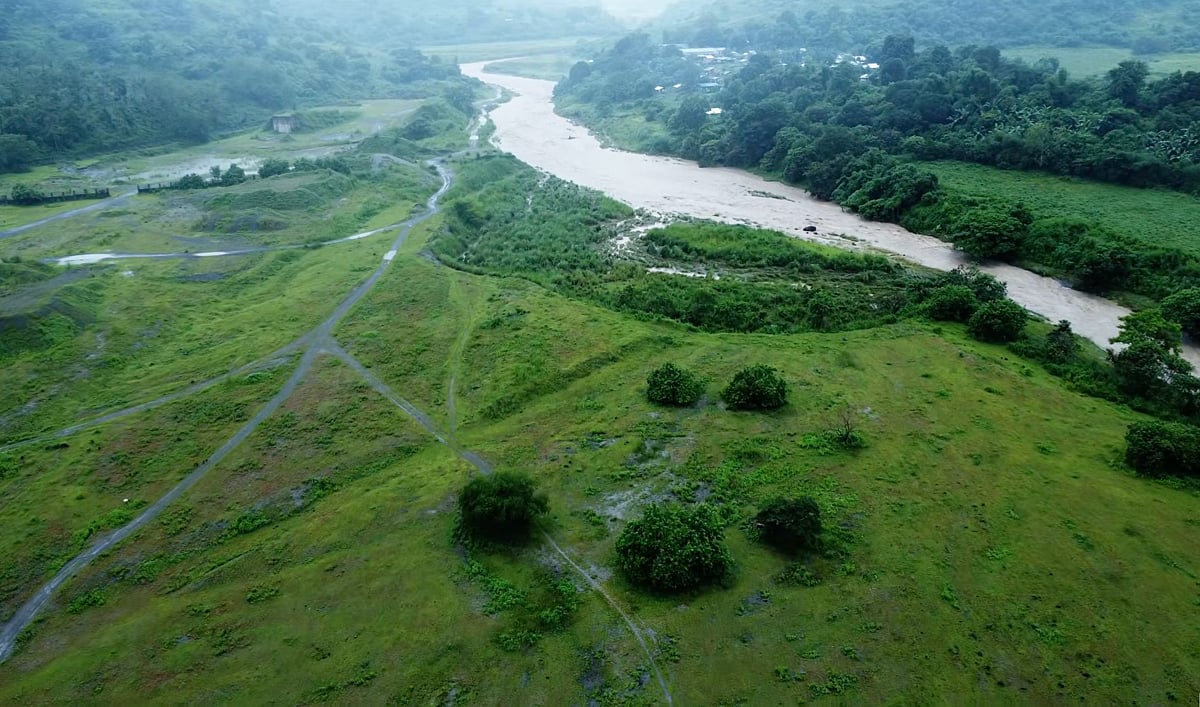
In the Philippines, the centerpiece is a proposed roughly 1,600-hectare (4,000-acre) advanced manufacturing hub in New Clark City, Tarlac, within the broader Luzon Economic Corridor.

The government says the objective is to move the Philippines higher up the semiconductor and technology value chain — from relatively lower-value electronics assembly toward advanced manufacturing, semiconductor development and industries supporting AI.
An important clarification has emerged: the project is not simply a giant AI data-centre complex.
BCDA President Joshua Bingcang said the Clark Advanced Manufacturing Park is intended to accommodate industries supporting AI, including semiconductors, technology and medical-related manufacturing.
The Palace has separately said there is currently no proposal for AI data centres at the park itself.
That distinction matters because much of the opposition has focused on the enormous electricity and water requirements associated with hyperscale data centres.
Why are people protesting?
Opposition groups, including farmers, Aeta communities, environmental organisations, faith groups and progressive organisations, have raised concerns over land, ancestral-domain rights, agriculture, water, electricity, environmental effects and national sovereignty.
A coalition called the Network Opposed to Pax Silica was launched in August, bringing together at least 70 organisations.
Farmers and Aeta representatives have also petitioned against the project, citing concerns over livelihoods, displacement and water resources. One petition reported by The Philippine Star had gathered nearly 400,000 verified signatures by August.
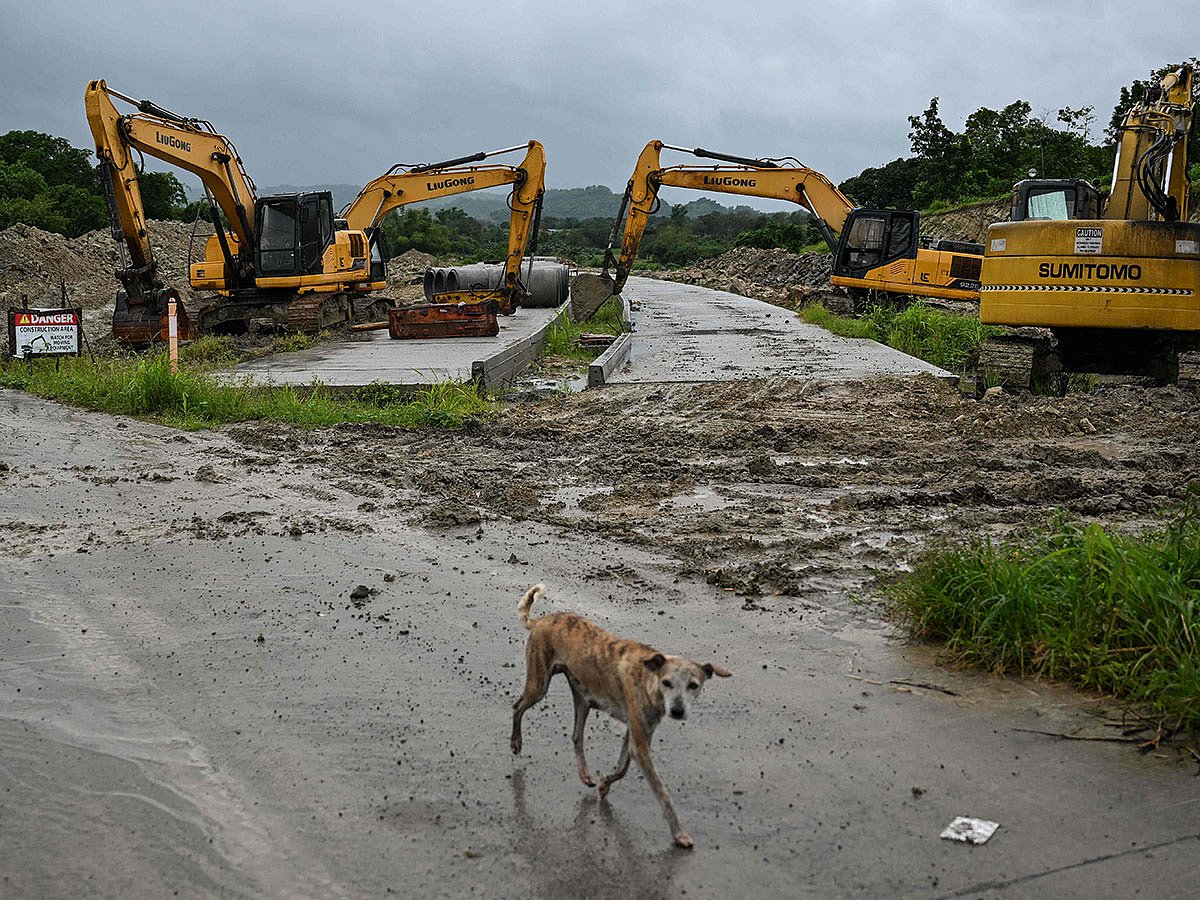
The government says it is addressing these concerns while proceeding with the project.
Protest culture
The Philippines is a democracy and has developed a strong protest culture, but with a stagnant industrial base.
Among the risks cited by the anti-Pax Silica protesters include corruption, insufficient electricity and water and potential displacement of native Aeta communities.
But Philippines does not lack land and potential water/electricity resources: Mainland Luzon is nearly three times the size of the Netherlands.
As for water, the provinces of Tarlac and Pampanga (host of Clark International and New Clark City) have at least 12 known waterfalls, including: Miyamit (Porac), Haduan (Mabalacat), Dara (Babayong / Porac area), Mt. Pinatubo Twin Falls, Mt. Arayat National Park Falls, Pau Falls & Sapang Angka Falls. In Tarlac, there’s Timangguyob (San Clemente), Canding (San Clemente), Anzap Twin Falls (Mayantoc), Kalaw (Mayantoc), Uboc Falls & Si-El Falls (Camiling), Kiti Calao Falls (San Jose), Pikkan Falls (Sta. Ignacia)
All told, the tropical nation has about 2,000 waterfalls. Low-lying areas face frequent flooding. can be harnessed for both power generation and industrial water.
Why investors are watching
For investors, the issue isn’t simply whether protesters are right or wrong.
It is predictability.
A semiconductor or advanced-manufacturing company considering a multibillion-dollar facility needs confidence that land, power, water, transport, permits and regulations will remain available over decades.

It also needs confidence that political opposition, including the Leftist groups and the Catholic Church, will not repeatedly delay construction.
The government has been pitching New Clark City (NCC) precisely on those advantages. BCDA says infrastructure and utilities are being developed to make the site attractive to high-value industries.
The administration has also said Pax Silica could attract up to $70 billion in investments, although that figure represents an investment potential or target rather, than money already committed.
What happens next?
The government’s latest position is that the project will proceed.
Rodolfo said that the Philippines’ participation is intended to accelerate existing industrial ambitions rather than create an entirely new economic strategy.
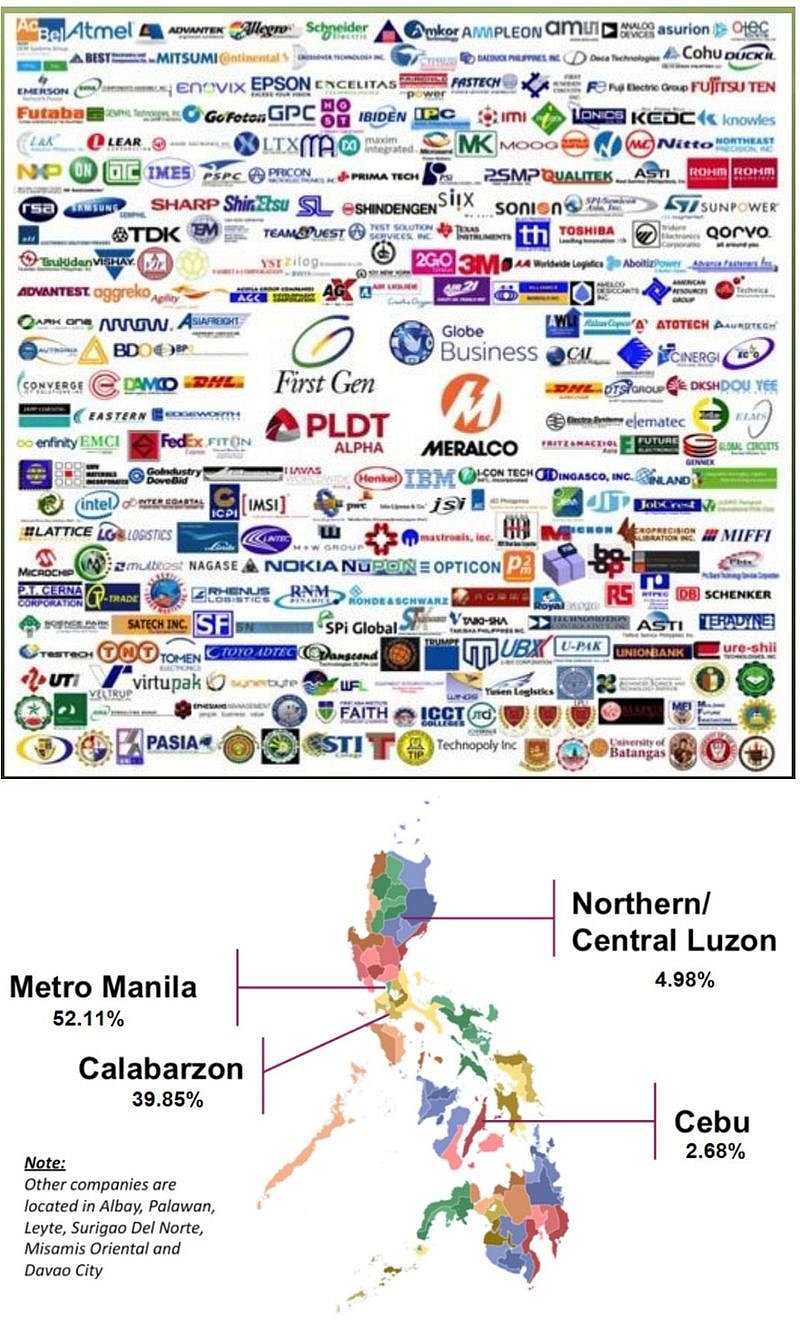
Officials are also working on a governance framework expected to be signed in November, including an explicit provision affirming Philippine sovereignty over the project.
For investors, the latest protests are a signal to watch.
For government, they are a test of whether the Philippines can not only drive the project in Tarlac, but a kick-off credible long-term industrial proposition.