
Dubai: At 11am, the Mawaheb Cafe in Al Quoz is already busy.
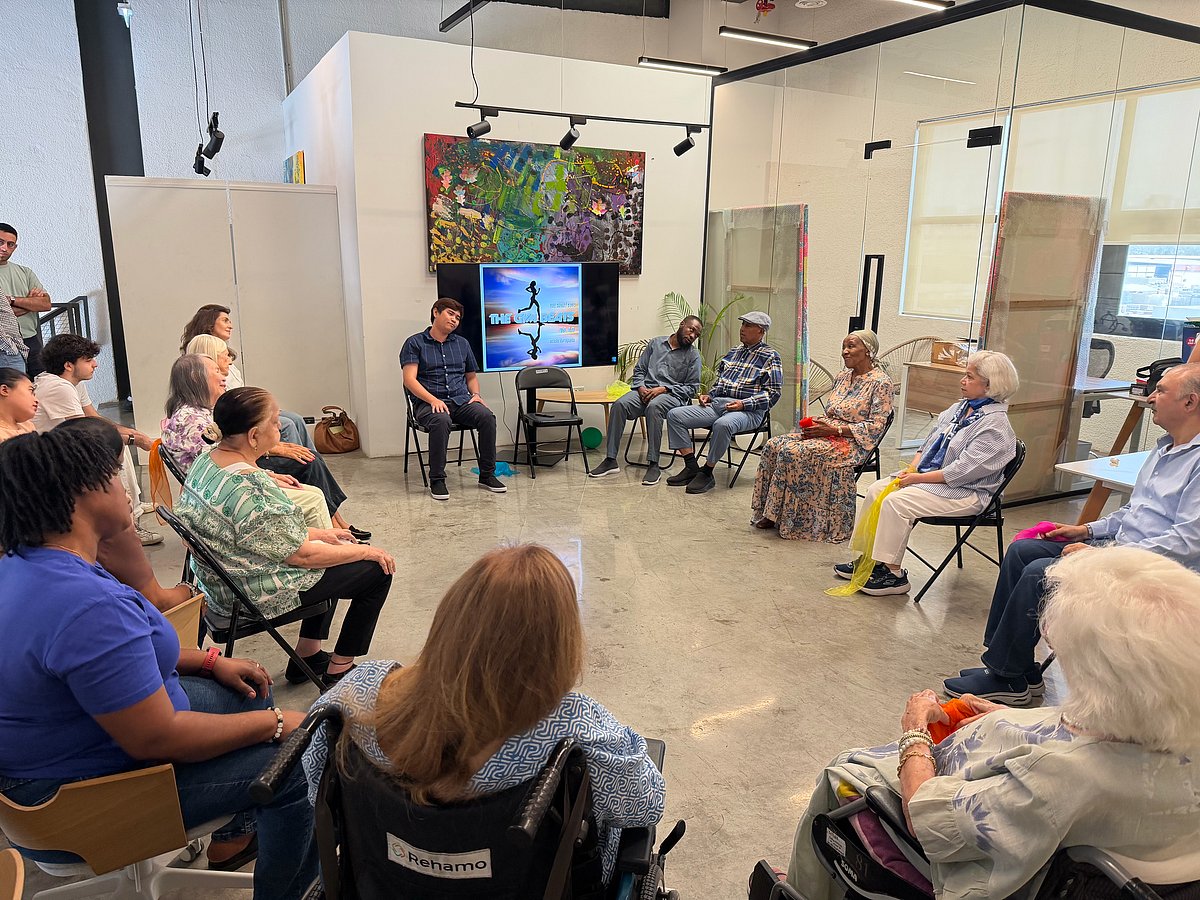
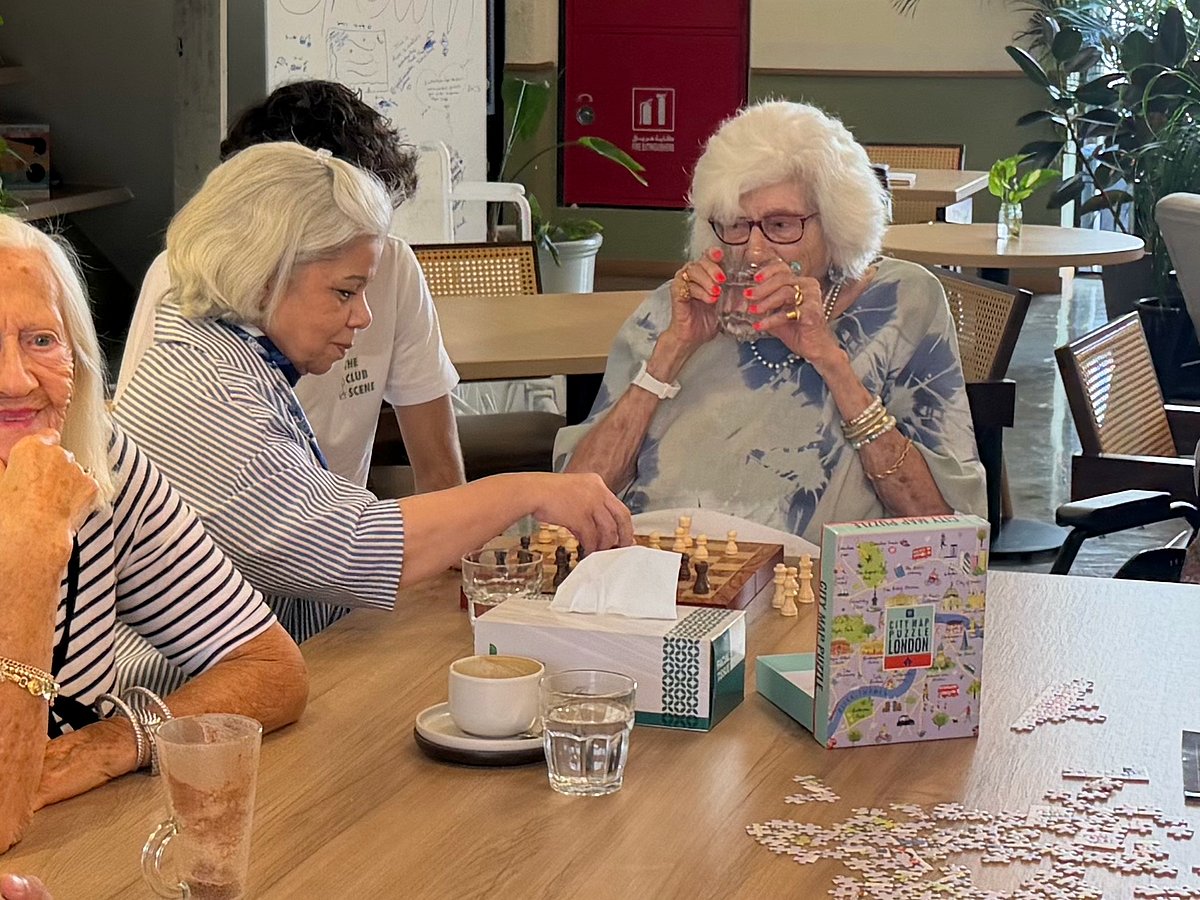
Around the room, members of the Elders Club are playing chess and chatting with one another . There is no sense that they are simply passing time.
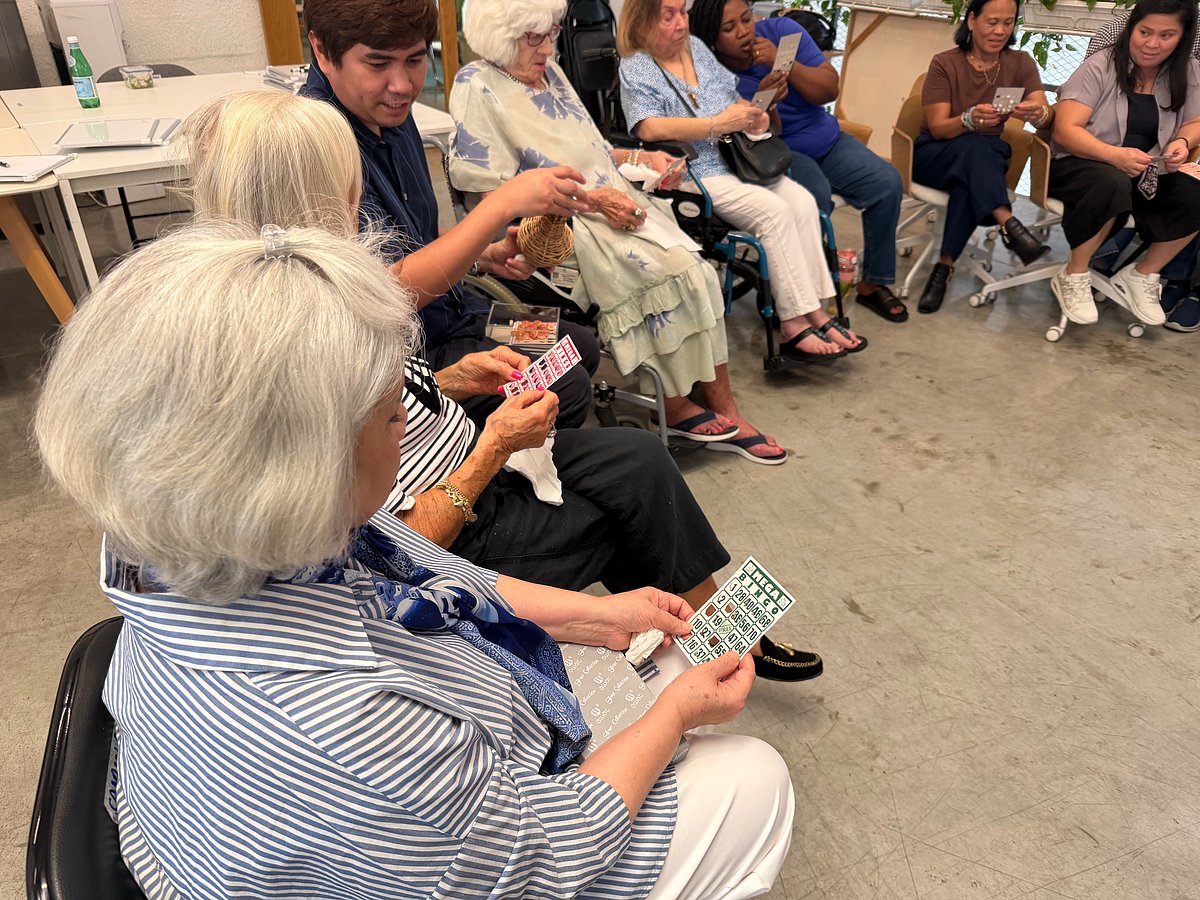
The rest of their day is already planned. There will be exercise and movement sessions, lunch, quizzes, bingo and plenty of time to socialise before they head home at around 3pm.

For some, it is a welcome break from being alone at home. For others, it is a chance to make friends in the city. And for many, it has become something to look forward to during the week.
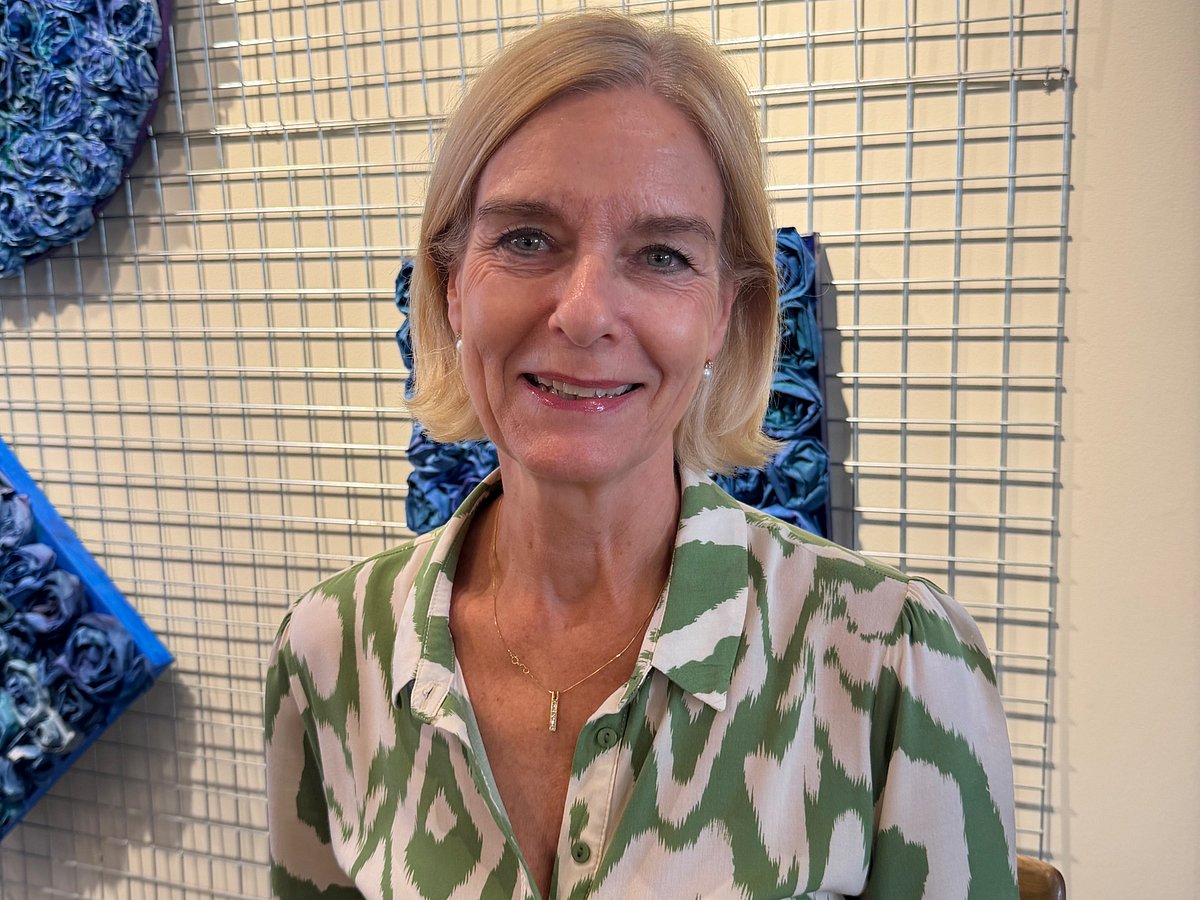
The club was taken over by Mawaheb in May this year after a two-month trial, following an invitation from Elderly Square, said Mawaheb founder Wemmy De Maaker.
“We love having the elders coming in here at the Mawaheb Cafe,” De Maaker said. “It is a place where they connect, where we give them the opportunity to think, to move.” De Maaker said the club also challenges the idea that older people are necessarily dependent or fragile.
“Often people think that elderly people are dependent and fragile. And here we see that they are not,” she said. “They love to go out. They love to connect. They love to be at a place where they feel that they belong to. A place where they learn. Because you’re never too old to learn, right?”
And learning here can take many forms.
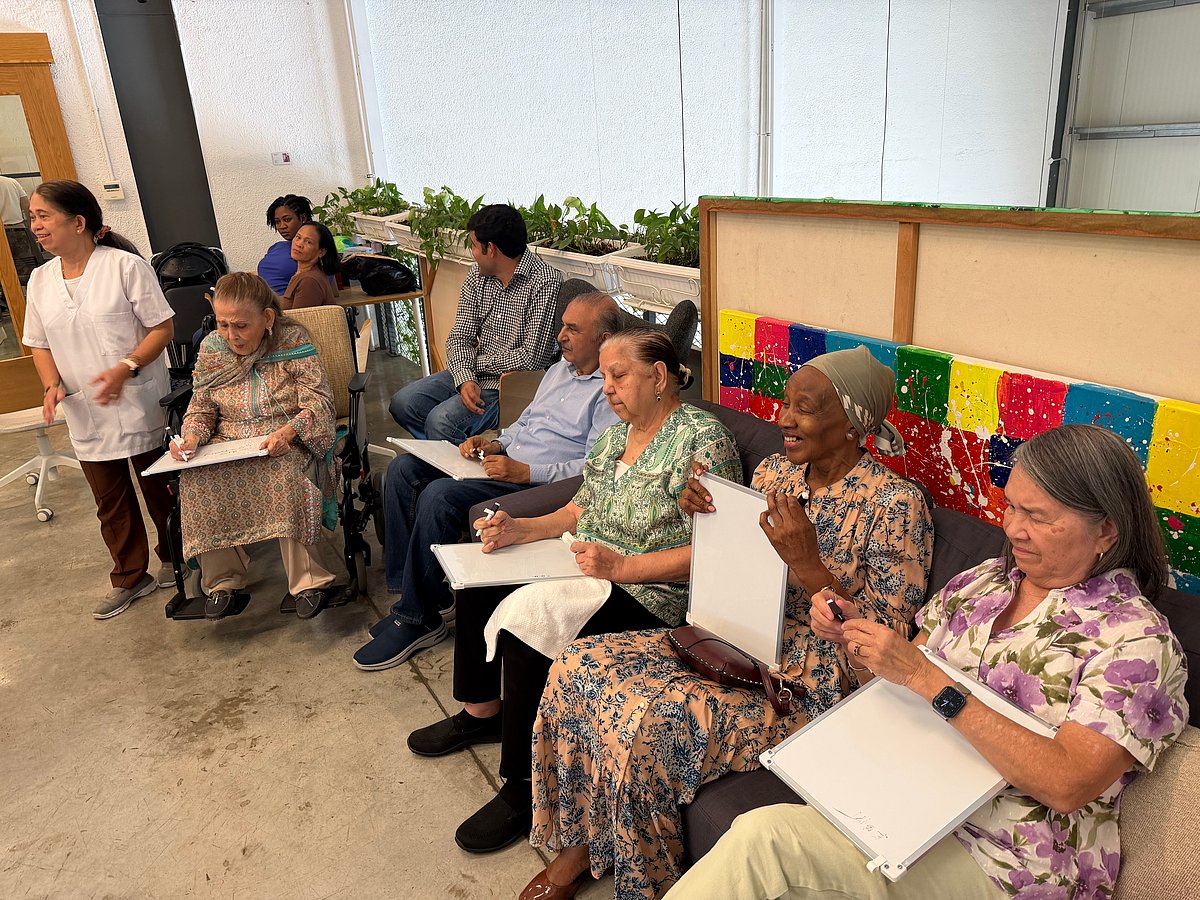
On one day, members may visit a museum together. On another, they could be sitting around a table trying to identify a famous monument shown to them during a quiz, writing their answers on small whiteboards before revealing them.
There is also bingo, chess, arts and crafts, and exercise sessions designed specifically for the group.
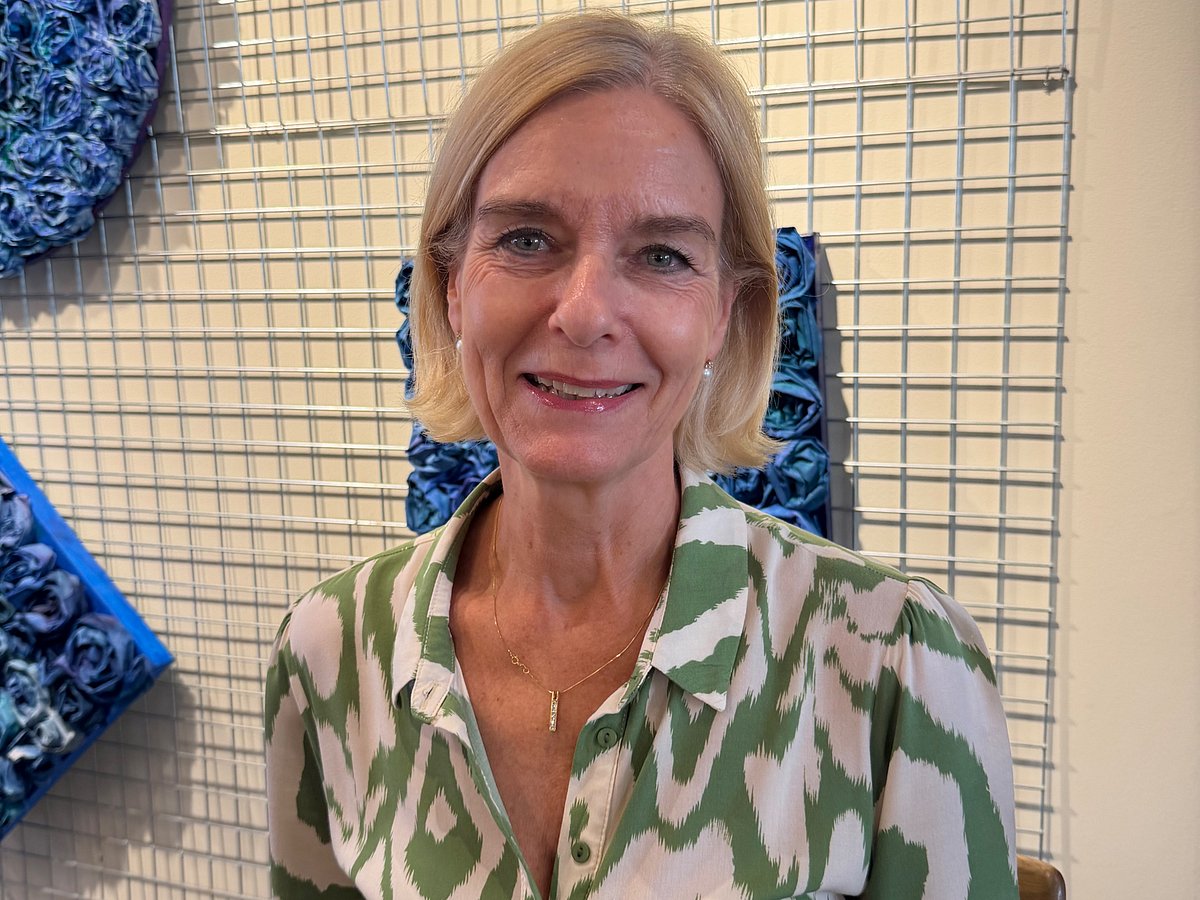
Hartman Lloyd Kay Aquino, the club’s activity lead, said the schedule is deliberately designed to keep members moving without exhausting them.
“In the morning, we start from exercise. Then after exercise, it’s high energy. So, after that, we will go down, like quizzes, like arts. Then after that, we will go again for the high energy,” he said.
“They are not exhausted every time.” The activities are designed to work on more than just physical fitness, he said.
“I’m the one arranging the activities, thinking for them. Like for the games, for the exercise, for them to move and for the mind also,” Aquino said. “It’s physical, mind, and their soul.”
For Aquino, who has been working with some members for more than two years, the relationship has gone beyond simply organising activities. “I treat them like my grandparents,” he said. “I grew up in my grandparents actually. I didn’t grow up with my parents.”
That connection has become mutual, he said. “Their family sees me like their family also, because I’m treating their parents like my family also. So, that’s our community.”
Aquino said the contrast between members’ lives at home and their time at the club is particularly noticeable. “Mostly of them is lonely. They’re in the house only, like watching TV,” he said.
“But when they’re coming here in the centre, it’s a very big difference because they are joyful. They are friendship. They see the friendship here. They see the community. There’s so much happy and enjoy.”
He also believes people sometimes underestimate what older adults are still capable of. “I think they think they are retired already. But they can do more,” he said. “Especially for their age, they can still learn.”
For some members, the club has become particularly important because they are navigating life in Dubai without the social circles they once had.
Norma Malouf arrived in Dubai after being evacuated from Sudan, where she had lived for many years. “When I first arrived in Dubai, having been evacuated from the country where I had been living for many years, which is Sudan, I was at a loss because whatever friends I had had all ended up in Cairo,” she said.
Her daughter-in-law eventually told her about the group. Malouf said she knew very few people when she arrived. “Except for my son who is putting me up, and my daughter-in-law, I knew no one. So I had to make friends. I had to circulate,” she said.
“I’m not a person to stay home and knit or whatever.”
Now, she plays chess with her friend Sameena Butt and has found a group she can socialise with. “I’m very happy now to be here,” she said.
Butt, who is from Pakistan, also came to the club after her son encouraged her to find somewhere to meet new people. “He feels that you should busy yourself and go somewhere to make new friends,” she said.
Her son found the club online and encouraged her to try it.
“I really enjoyed it. I really like the building, I really like the atmosphere, and to make new friends,” Butt said. She now attends twice a week.
“My health is getting better. I don’t feel lonely,” she said. Her advice to anyone else spending too much time at home is simple. “Don’t sit at home, come here and enjoy yourself and be healthy.”
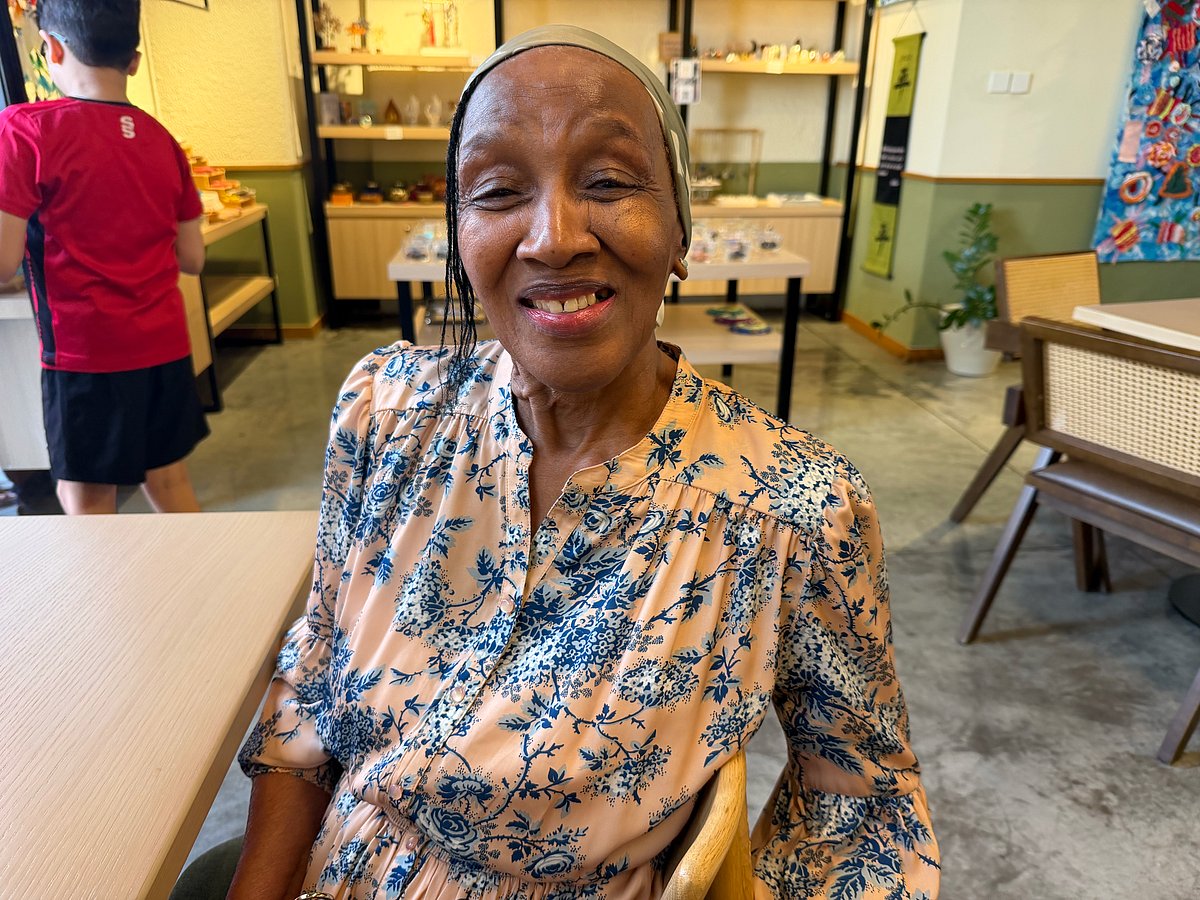
For Francina Mampuru, 70, from South Africa, finding people her own age was the biggest draw. “My favourite thing is, I wanted to meet with my peers, elderly people, like myself,” she said.
“I’ve been so lonely in Dubai, not having friends my age. So it was a little bit boring for me.” She said she would encourage anyone in a similar position to join. “Here, you can say anything that you want. You join them, you get used to them, and the friendly staff here, it makes life so easy.”
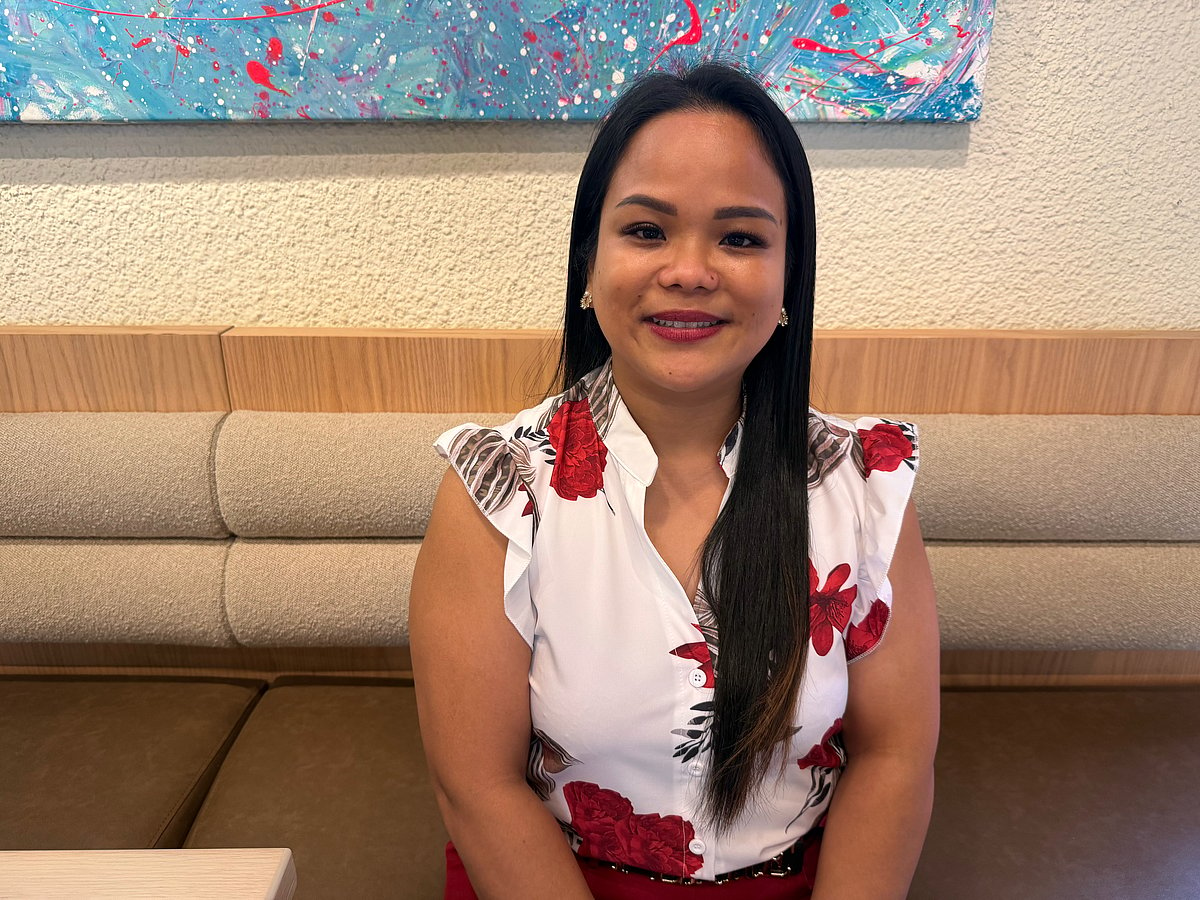
Fae-Erica Capcete, the Elders’ Club coordinator, said the philosophy behind the club is simple: “move, think, and belong”.
“It’s a place where we create our elders to become more active, engaged, and giving them the sense of being belonged, yeah, a family,” she said.
For Capcete, one of the most rewarding parts is watching strangers become friends. “What I love seeing about our elders is that they are strangers to begin with,” she said.
“And eventually, every day when they come here in the club, they become friends.” The friendships have become so routine that members notice when someone is missing.
“If someone is not here, not around, they’re going to be looking for each other,” Capcete said. “They will even arrange their own seats together, eat together.”
“That’s the fun, that’s the most lovable thing about here in Elders’ Social Club.”
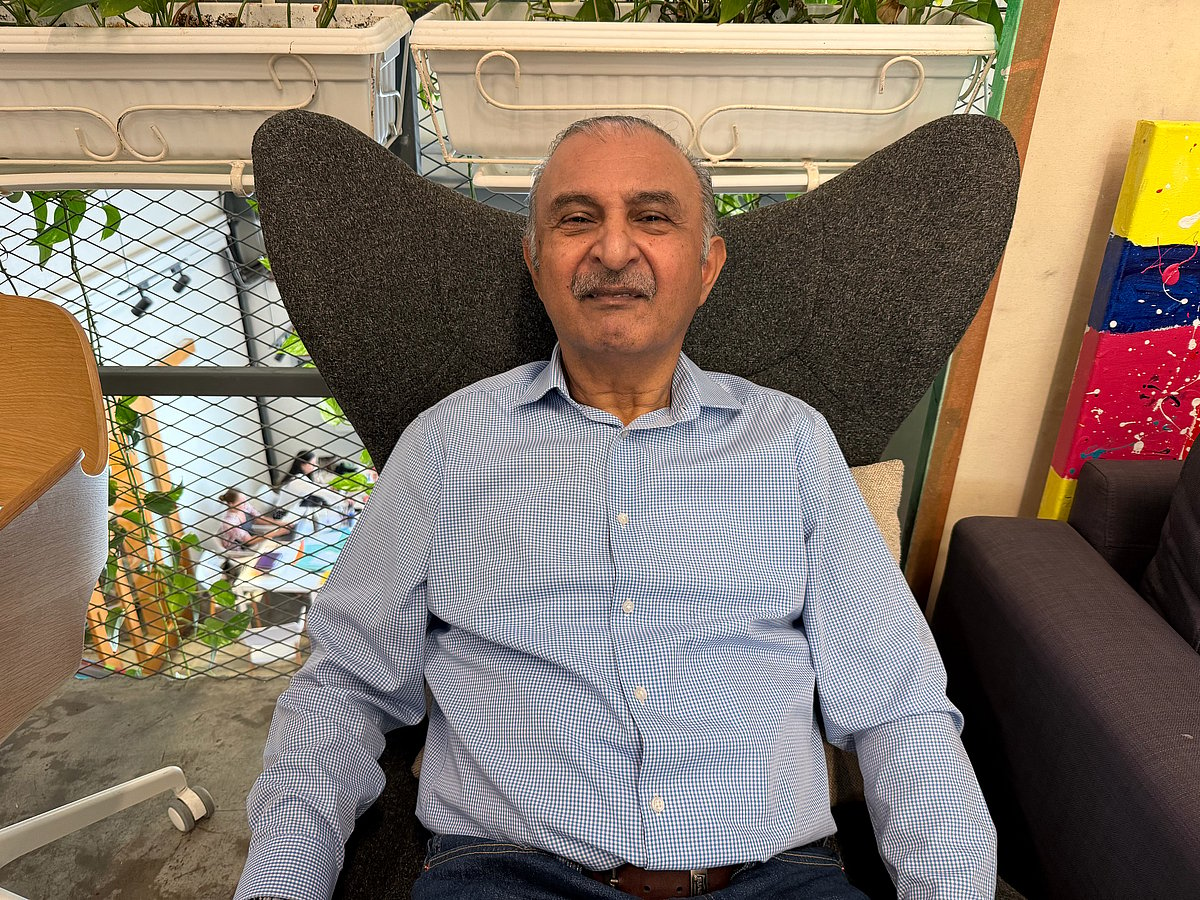
Member Tahir Fazal, who had only visited the club for the second or third time when interviewed, said he had already noticed that atmosphere.
“Very good. Very helpful, and very, very, very good to people,” he said.
“Even though this is my second or third visit, all make you feel like a family, which is very important, which will make you bring the next time.”
He said members should tell others about the club and “spread the word”.
That sense of community is also what drew volunteer Rawad Abou Assaleh to the club.
A pharmacist, Assaleh had already been involved with Mawaheb for years. She first became connected with the organisation through her twin sons, now 18, who participated in inclusive events there.
“I always believe in volunteering,” she said. “I used to be scout when I was young, and we used to do a lot for the community.”
For her, volunteering is about giving something more valuable than money. “I feel everyone needs to dedicate the most precious things, which is time, to others.”
Her involvement with the Elders Club happened almost by chance.
She had come to Mawaheb to have coffee with De Maaker in early July when he encountered the group. “She asked me to just come and join, and I was so impressed by these people,” he said. “It was great to get the chance to speak with each one of them and to learn about their long experience in life and their legacy.”
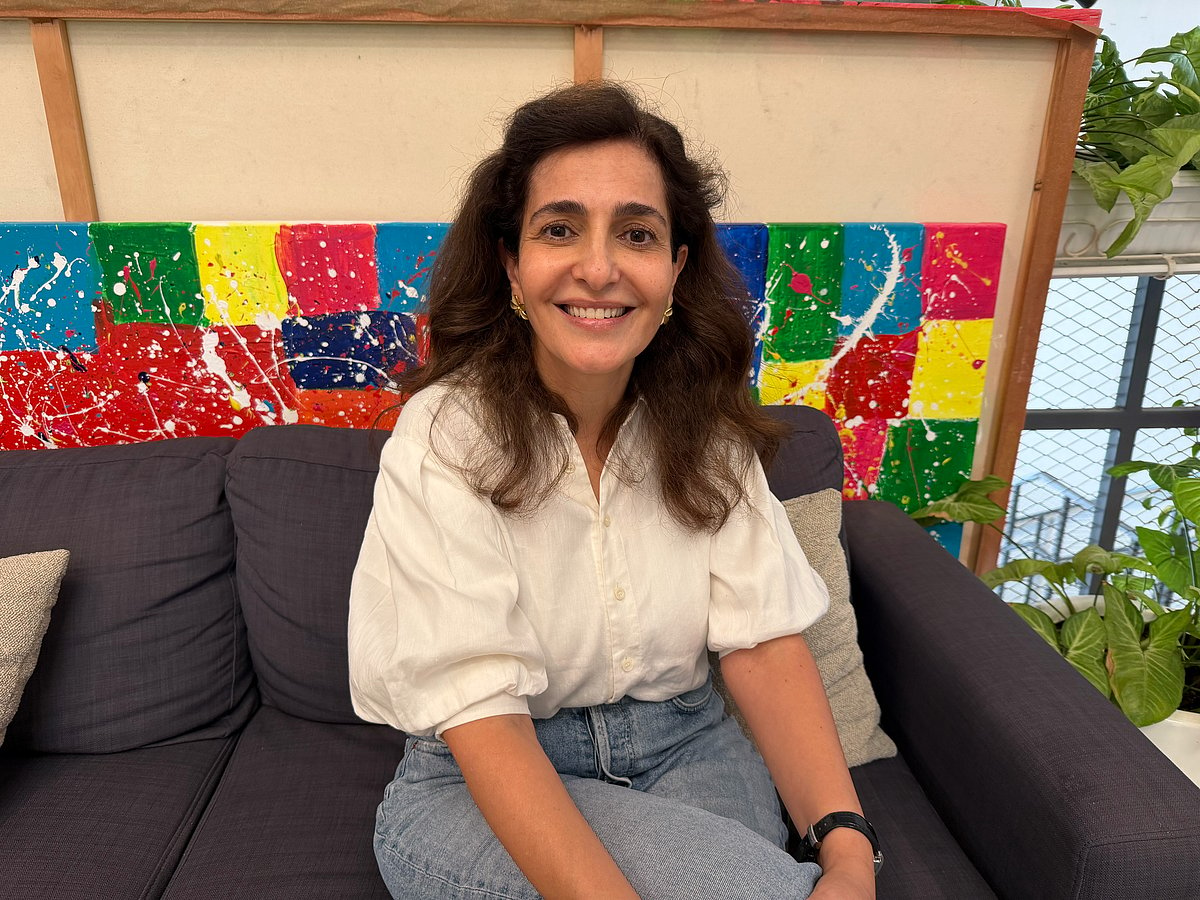
Assaleh said what struck her most was how much the members still wanted to participate, learn and stay connected. “I really feel impressed by how much they value life and they want to come to connect together and to learn new skills and to maintain their mental abilities, and their social abilities, and even some physical abilities through exercise.”
She now comes twice a week himself. “I’m feeling that I’m learning, and I’m enjoying coming here.”
And perhaps that is the point of the club: the learning does not only go one way.
Assaleh said spending time with the members had made him think differently about her own life. “Coming here, it’s teaching me how much we should appreciate and value our lives and not take it for granted,” she said.
“Every day is an opportunity to live and to enjoy.”
For De Maaker, that is exactly the kind of environment Mawaheb wants to create. The club gives members somewhere to move, somewhere to think and, perhaps most importantly, somewhere to belong.
By 3pm, the chess boards are packed away, the quiz is over and the bingo cards have been put aside. The members head home.
But the next day, they will be back ready to play, learn, exercise, argue over a quiz answer, have lunch and, most importantly, see their friends again.