
Dubai: LIV Golf has entered bankruptcy protection with more than $45m owed to 14 current and former players, according to court documents.
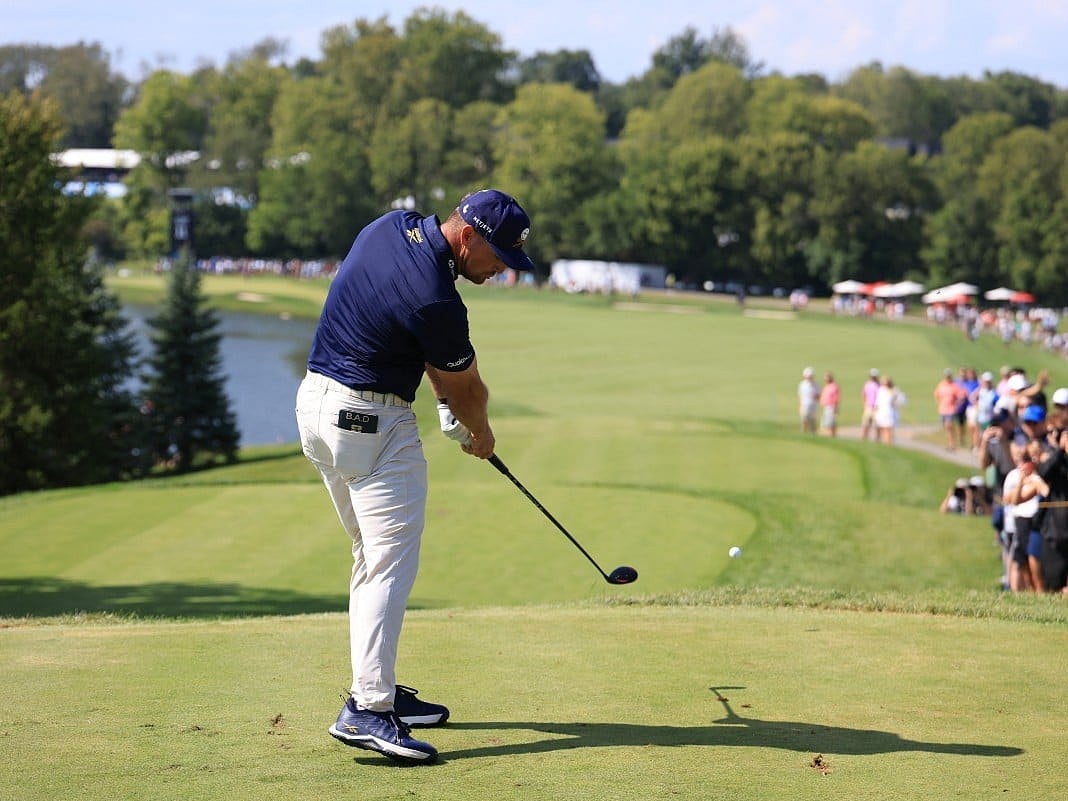
Jon Rahm is the biggest name on the list, with the two-time major champion listed as being owed $7.5m. Bryson DeChambeau is owed a further $5.7m, while former LIV captain Dustin Johnson is due $5.5m.
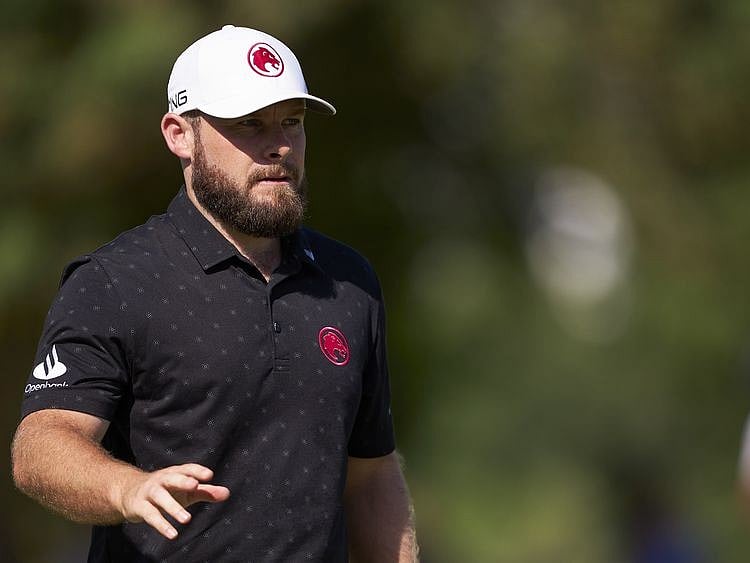
Cameron Smith ($4.8m) and Tyrrell Hatton ($3.4m) are also among the league’s 30 largest unsecured creditors. Brooks Koepka, who returned to the PGA Tour in January, is listed as being owed $1.7m.

The figures relate to money LIV had not paid for the third quarter of 2026 and do not represent the players’ total earnings or the full amounts they may be owed.
LIV filed for Chapter 11 bankruptcy protection in the United States on Tuesday, saying the move would allow it to restructure and “preserve the company’s business” following the withdrawal of Saudi Arabia’s multibillion-dollar funding.
The league’s Saudi backer, the Public Investment Fund (PIF), withdrew its funding in April, with LIV subsequently announcing BC Partners as a new investor.
Court documents reveal the scale of the financial challenge facing the breakaway competition. LIV estimates its assets at between $100m and $500m, while its liabilities are put at between $500m and $1bn.
The bankruptcy process could also bring significant changes for LIV’s players. The league plans to launch a new, majority player-owned version of the competition early next year, with Chapter 11 allowing it to begin discussions with players over their involvement.
Players will reportedly have the choice over whether to join the new LIV, regardless of whether they previously signed multi-year contracts with the league.
Contracts from the previous version of LIV are expected to come to an end as part of the bankruptcy process, with outstanding payments to players and other creditors dealt with through the court proceedings.
It remains uncertain, however, when LIV players will be free to discuss moves to other professional tours.
Where it all went wrong for Liv Golf
LIV Golf’s biggest problem was that its enormous spending never translated into a sustainable business.
Backed by more than $5bn from Saudi Arabia’s Public Investment Fund, the breakaway league spent heavily to lure some of the biggest names in golf, but despite shaking up professional the sport, LIV failed to achieve the decisive victory over the PGA Tour that its backers had hoped for.
The league also struggled to build the audience and commercial revenues needed to justify that level of investment, with low attendance and television viewership among the concerns surrounding its business model. When the PIF decided in April that continued funding was no longer consistent with its investment strategy, LIV was suddenly forced to find another way to survive.
Without Saudi backing, the scale of LIV’s spending became increasingly difficult to sustain. The league now estimates its liabilities at between $500m and $1bn, compared with assets of $100m-$500m, ultimately leading to its Chapter 11 filing and plans for a significantly restructured LIV 2.0.
Liv 2.0 to save the day?
LIV Golf’s proposed second iteration could represent a major reset for the breakaway league as it looks to recover from its financial troubles. Rather than relying on the huge sums that fuelled its initial rise, LIV 2.0 is expected to operate around a more sustainable business model, with players given equity in the league and their individual commercial rights returned to them. That would give golfers a direct stake in the competition’s success while also creating new opportunities to generate income away from prize money.
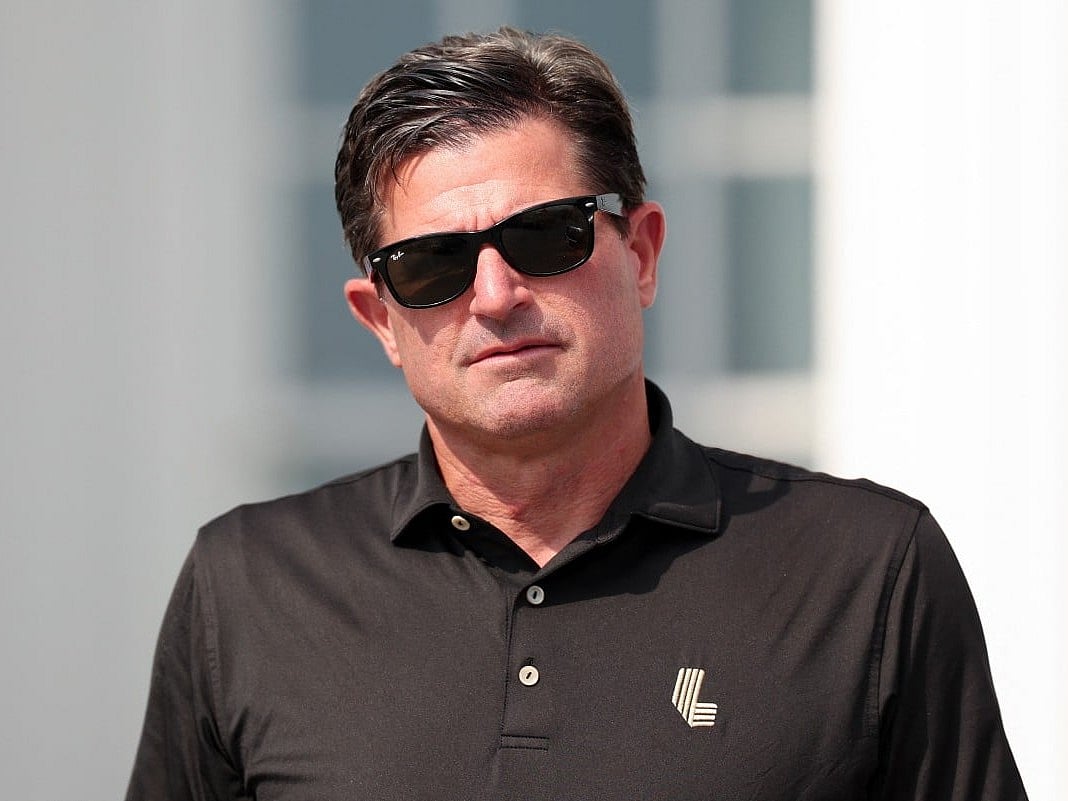
LIV chief executive Scott O’Neil remains confident the revamped league can attract enough of the world’s leading players, telling the BBC he had “high levels of confidence” in reaching a “critical mass” to make the new competition viable.
DeChambeau also suggested there is “a lot of potential moving forward”, adding that he believes there is “something fun coming”. The new structure could therefore move LIV away from its image as a competition built almost entirely on eye-watering contracts and towards one where players and the league share a common financial interest.
Rahm, however, was less forthcoming about what comes next. Asked whether he knew what the coming months would bring, the Spaniard said: “Yes and no. It hasn’t really changed from my last interview in Indianapolis.”
He added: “There’s just a lot of things in place, right? There’s a lot of things that could happen and it’s one of those things where time’s gonna tell.”
Rahm also stressed that he remains committed to his existing deal, saying: “I still have a contract with LIV 1.0 that I’m more than willing to fulfil, so like I said, time will tell.” His comments express the uncertainty surrounding the transition, with players now facing decisions over whether to remain part of LIV’s next chapter or explore opportunities elsewhere.
The league’s proposed new investor, BC Partners, could provide the financial foundation needed to make the transition possible. In a message to fans, LIV said the court-supervised restructuring would provide the “time and framework” to deal with its existing financial commitments and complete a transaction designed to secure its future.
O’Neil described the next stage as one built around “the fans, an innovative, player-first ownership model, and a part of the global golf ecosystem.”
Prize funds are expected to fall below those offered by LIV during its big-spending early years, although they would remain above typical DP World Tour purses. The challenge now is proving that a leaner LIV can attract fans, retain elite players and generate enough commercial revenue to survive without the billions that once supported it.