

Table of Contents
It was August and six British short-hair kittens were found abandoned in an apartment. The owner had disappeared; the building management were looking after the kittens, till the rescuers came and vowed to find them a home.
It was April, when rabbits were rescued at a park in Dubai. Last month, we spoke to Charlie and Elsa Bannan, a British couple who now own little Duke, after they found him abandoned in a villa, left behind by a tenant who had moved out and shut him inside without air-conditioning. It has been two years, and Duke is family.
Yet, it was yesterday, today and most likely tomorrow that UAE animal rescuers will be rescuing cats, dogs, rabbits from the unlikeliest spots in the UAE: Perhaps from under a car, or dumped in the desert, left just alone at a home, or hastily left on the street, as owners were in a hurry to leave the country.


Not every case is one of intended cruelty. Some owners have had their lives upended and, with the road ahead uncertain, cannot afford to take their animals with them. So they look for better homes instead. That, too, is a story of heartbreak. It’s never easy to leave a part of your life behind.
And while UAE rescuers do their best to find loving homes for abandoned animals, and while no one can plan for everything life throws at them, one thing is worth remembering before you adopt: a pet is far more than a cute and cuddly ball of fur.
It is a real and serious responsibility.
As Dr Sarah Ramsey, a veterinarian puts it, “The biggest thing people underestimate is that adoption is a long-term commitment, not just an emotional decision made when you meet an animal.”

Start with the life you can actually offer
The first question should not be ‘Which pet do I want?’ but ‘What sort of pet can I realistically give a good life to?
Dr Ramsey advises weighing your working hours, activity level, travel, children, existing pets, size and type of accommodation and how much time you can genuinely dedicate to an animal.
The animal you fall in love with may not suit your household. “A very active dog may not be suitable for someone who works long hours, while a nervous rescue animal may struggle in a busy household with young children or multiple pets,” she says.
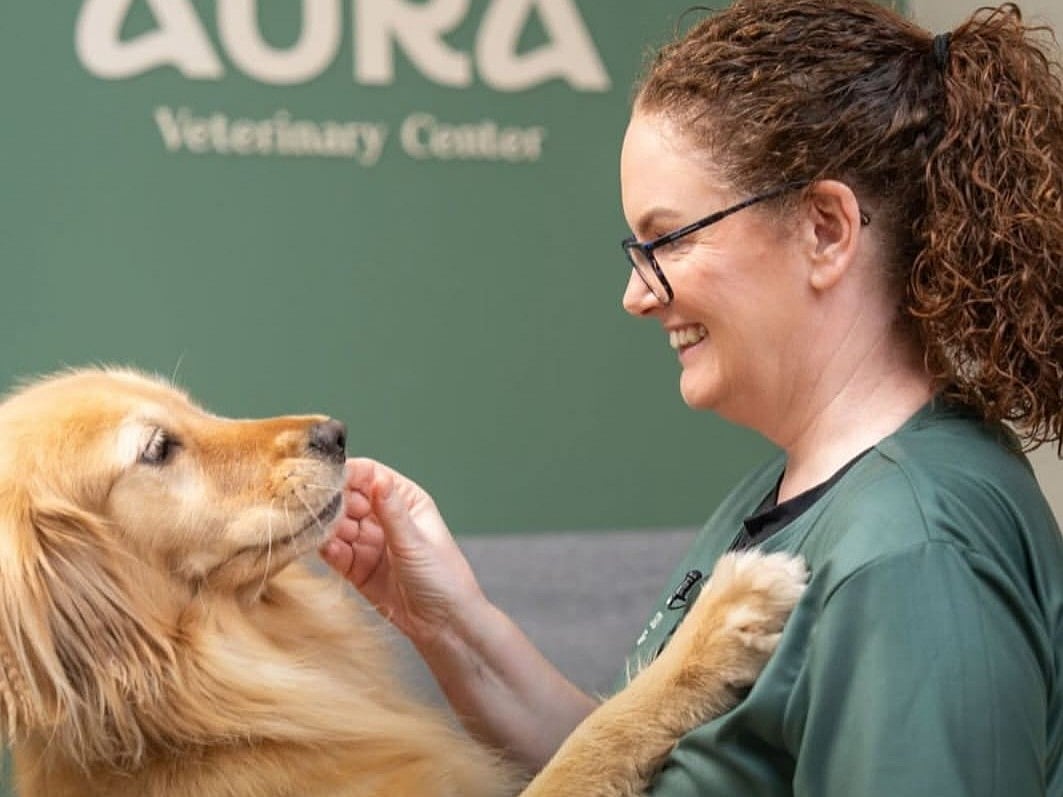
Dr Susan Atkins, a general practice veterinarian at Aura Veterinary Center in Dubai, recommends choosing for the lifestyle you have now, not the one you hope to have later. A pet you grew up with in another country may not suit your life, home or the UAE climate today.
Temperament matters as much as breed. With young children at home, Dr Atkins suggests looking for confident, calm individuals and considering adult animals, whose personalities are already established. Time in foster care gives a much clearer picture of life with a particular animal.
“People also shouldn’t automatically assume a puppy or kitten will be easier,” Ramsey adds.

Look beyond the adoption fee
The adoption fee is only the beginning. Dr Ramsey counts the ‘lifetime cost’ among the things people most often overlook: Dental care, parasite prevention, grooming, boarding, emergencies and rising healthcare costs as an animal ages.
Dr Atkins explains, that the first year with a young animal comes with quite a few upfront costs, which include bedding, house-proofing, toys, vaccinations, microchipping, potential neutering and the usual baby niggles that need a vet’s attention. She advises setting money aside for expected costs and surprises before the animal arrives, and booking a wellness check within the first week.
“Animals can become ill or injured just like people, and emergency treatment, surgery or management of a chronic disease can become expensive,” Ramsey says. She encourages owners to look into pet insurance.
The home needs to work for the animal, too
A pet-friendly home is not simply one where an animal is permitted. It must meet the animal’s physical and behavioural needs, and exotic species are most often let down.
Moreover, they are routinely sold with completely inappropriate housing or food, and it’s a worldwide issue.” And so, as Dr Atkins says, read before you buy. “My best tip is to buy a book on caring for that species, one you can hold in your hands, and read it before your pet comes home.” The right housing, food and equipment should be ready from day one, ideally bought from a retailer whose staff understand the species.
Online advice can be overwhelming, and can send you down a rabbit-hole, Dr Atkins warns, recommending reputable species-specific resources and your vet instead.
Socialisation starts early
When a rescued animal first comes home, the focus is naturally on getting it healthy, and socialisation can fall by the wayside. However, there is a window when young animals are most receptive to new experiences.
For instance, dogs particularly benefit from calm and early introductions to other animals, as Dr Atkins says. Cats benefit from gentle handling, including getting used to having their paws touched and mouths opened, which makes grooming and vet visits easier. A calm first veterinary visit can build a positive association for life.
Rescue animals of any age may also need time to decompress. “Some may have had very little socialisation or may have experienced difficult circumstances,” Dr Ramsey notes. So, if an animal needs training or behavioural support, it is not a sign that an adoption has failed.
Think about the next 15 or 20 years
In the UAE, where relocation is routine, this question matters most. If you move to a different country, your pet moves with you, says Atkins. It is an expensive process, and no doubt, some countries, notably Australia and South Africa, have a convoluted pre-travel process. That can mean microchips, blood tests, health certificates, import permits, waiting periods and breed restrictions.
“A cat may live 15–20 years and many dogs well into their teens,” Ramsey says. “People need to ask themselves where they may be in five, ten or fifteen years — and whether the pet will still be part of those plans.”
Even small animals can be long-lived: some cockatiels exceed 20 years, Atkins notes, and exotic species may need specialist paperwork.
Moving within the UAE takes planning too. “I see this a lot and it’s heartbreaking,” Atkins says. “Someone gets a pet, then the landlord says pets aren’t allowed, and the owner faces moving at short notice or rehoming.” Her advice: “Before you get a pet, check your building or community allows them, and get it in writing from the landlord. Verbal consent is not enough.”
Have a plan for when things go wrong
Pets are most at risk of surrender when ownership becomes harder than expected. Apart from travel and relocation, Atkins sees cold-climate breeds rehomed when owners struggle with the heat. Adolescence is another flashpoint.
In the case of dogs, adolescents are most likely to be given up, as their behaviour changes and they become temporarily more challenges. The phase can be battled, and a vet can help you through it, so the vets firmly advise: Ask for help, before you give up.
Ramsey adds financial difficulties, accommodation changes, a new baby, allergies, lack of time and the discovery that an animal is more work than expected. Not every circumstance can be avoided, but planning makes them less likely. The whole household should be involved before adopting. If the main carer travels, leaves for university, changes jobs or loses interest, someone else must be ready to step in.
And if an adoption genuinely doesn’t work out, ask for help before things deteriorate. “The best safeguard is to adopt from somewhere that will take the pet back if it doesn’t work out,” Atkins says. “There is zero shame in returning a pet that hasn’t worked out, and a great rescue will want the pet back so they can find the right match.”
The goal is not just to give an animal a home today, but one that lasts the rest of its life.
As Dr Ramsey puts it: “Adoption should absolutely come from the heart, but the decision also has to be made with your head. The goal isn’t simply to get an animal adopted — it’s to make sure that animal never needs to be rehomed again.”
If you’re looking to help out volunteers, know more about fostering and adopting animals:
Contact Amal CSR, an organisation that helps in rescuing animals across UAE.
You can also speak to K9, Dubai.
If you’re looking for rabbits specifically, reach out to Helping Hands, run by Claire Malcom, a volunteer administrator.