
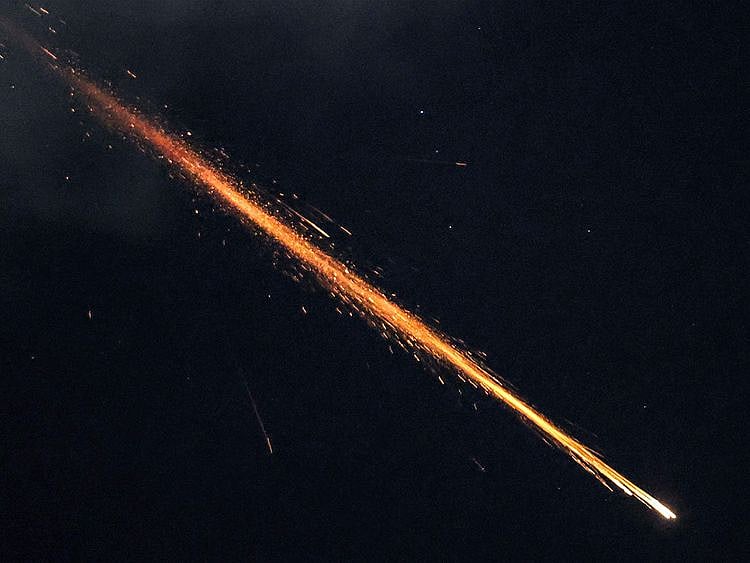
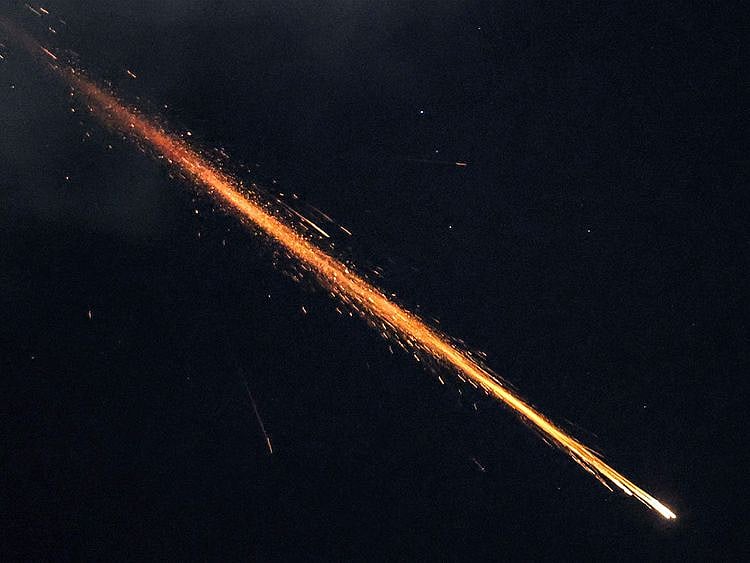
Dubai: The war between Iran and US-Israeli forces expanded dramatically on Monday, drawing in Iranian-backed militias and Hezbollah and regional energy infrastructure as casualties mounted and oil markets surged.
Missiles and drones struck Israel and Arab states, US fighter jets were mistakenly shot down in Kuwait during intense combat operations, oil tankers were attacked near the Strait of Hormuz and nuclear facilities were reportedly targeted — raising fears of a prolonged, multi-front conflict.
Iranian air force engagement: The US Central Command has said that Iranian aircraft, including jets, were involved in combat operations amid the war. This marks a notable escalation, as Iran’s Air Force — long considered aging and largely held in reserve — is participating directly in the conflict alongside missile and drone barrages.

Top officials killed: In addition to Khamenei, several other senior officials were killed in US-Israeli airstrikes. They include Iran’s army chief of staff, General Abdol Rahim Mousavi, and defence minister General Aziz Nasirzadeh. Also killed was Major General Mohammad Pakpour, who took over as the Revolutionary Guard’s top commander after Israel killed its last commander last June, and Ali Shamkhani, a top security adviser to Khamenei.
Pro-Iran protests kill 23 in Pakistan: The death toll from Pakistan’s violent weekend protests over the killing of Iran’s supreme leader in US-Israeli strikes has reached at least 23, GEO News said. The demonstrations against the death of Ayatollah Ali Khamenei erupted in several major Pakistani cities including Karachi, where hundreds of protesters attempted to storm American diplomatic buildings and clashed with police, an AFP journalist saw.
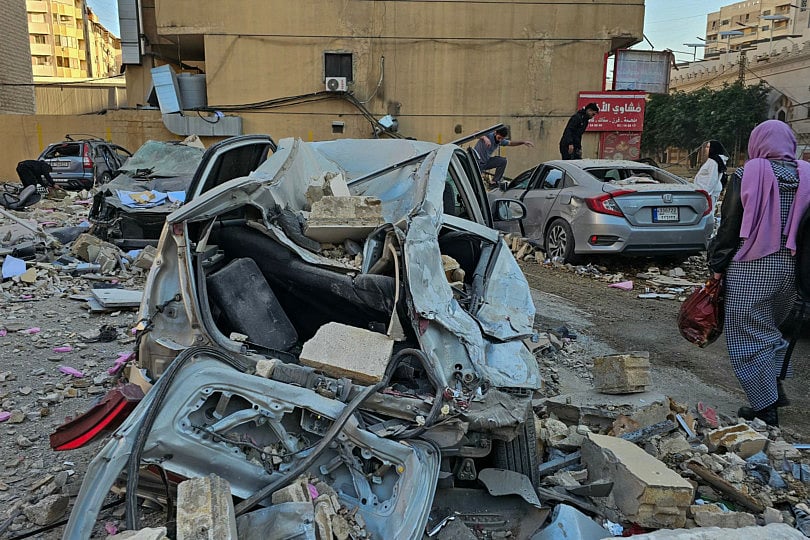
Hezbollah intelligence chief killed in Beirut strike: The Israel Defence Forces (IDF) has just released a statement saying a Hezbollah leader was killed in a strike in Beirut on Sunday. “The IDF now confirms that in a precise strike in Beirut last night (Sunday), the terrorist Hussein Makled, who served as the head of Hezbollah’s intelligence headquarters, has been eliminated,” the statement reads.
War could last ‘four weeks’: Trump said he envisaged a four-week military operation against Iran, where US and Israeli strikes have killed the country’s supreme leader and crippled its defence capabilities. “It’s always been a four-week process. We figured it will be four weeks or so,” he told British newspaper the Daily Mail during a round of interviews.
Ready for long war, Iran says: Iran’s security chief on Monday said the Islamic republic was prepared for its war with the United States and Israel to last for a long period of time. “Iran, unlike the United States, has prepared itself for a long war,” said Ali Larijani, the powerful head of Tehran’s Supreme National Security Council, in a post on X.
Revolutionary Guards HQ ‘destroyed’: The US military announced it had destroyed the Revolutionary Guard (IRGC) headquarters, with the US Central Command saying: “America has the most powerful military on earth, and the IRGC no longer has a headquarters.”
Unesco site ‘damaged’: Iran’s UNESCO-listed Golestan Palace in Tehran has been damaged in US and Israeli strikes, local media reported. “Following the joint US-Israeli attack on Arag square in southern Tehran on Sunday evening, parts of the Golestan Palace… were damaged,” the ISNA news agency reported, adding that windows, doors and mirrors were hit by reverberations from blasts.
IAEA communication blackout and nuclear sites: The International Atomic Energy Agency (IAEA) has reported no confirmed damage to Iran’s nuclear facilities so far, but the agency has not been able to contact Iranian nuclear regulators due to communication disruptions caused by the conflict. This blackout complicates monitoring and raises nuclear safety concerns in an already volatile region.
Iranian-backed militias enter the fight: Iran and allied militias fired missiles and drones at Israel and multiple Arab states as US and Israeli forces intensified strikes inside Iran. The conflict is now spreading beyond direct US-Iran confrontation into a regional multi-front war.
Death toll mounts: At least 555 people have been killed in Iran, according to the Iranian Red Crescent, with more than 130 cities hit. Authorities report 11 deaths in Israel and 31 in Lebanon so far.
Kuwait mistakenly shoots down US jets: The US military said Kuwait’s air defences mistakenly shot down three American F-15E fighter jets during intense Iranian attacks. All six crew members ejected safely and are in stable condition.
US embassy in Kuwait targeted: Fire and smoke rose inside the US Embassy compound in Kuwait after an Iranian strike. Washington had earlier warned Americans to shelter in place.
Oil prices surge: Oil prices jumped amid tanker disruptions near the Strait of Hormuz, with Brent crude climbing above $78. Attacks on vessels and electronic interference have raised fears of supply shocks.
Oil tanker hit in Gulf of Oman: A bomb-carrying drone boat struck a Marshall Islands-flagged tanker, killing one Indian crew member. Iran has been threatening vessels near the Strait of Hormuz, a chokepoint for global oil.
Saudi refinery targeted: Iranian drones targeted Saudi Arabia’s Ras Tanura refinery, prompting a temporary shutdown. The facility processes over half a million barrels of crude per day.
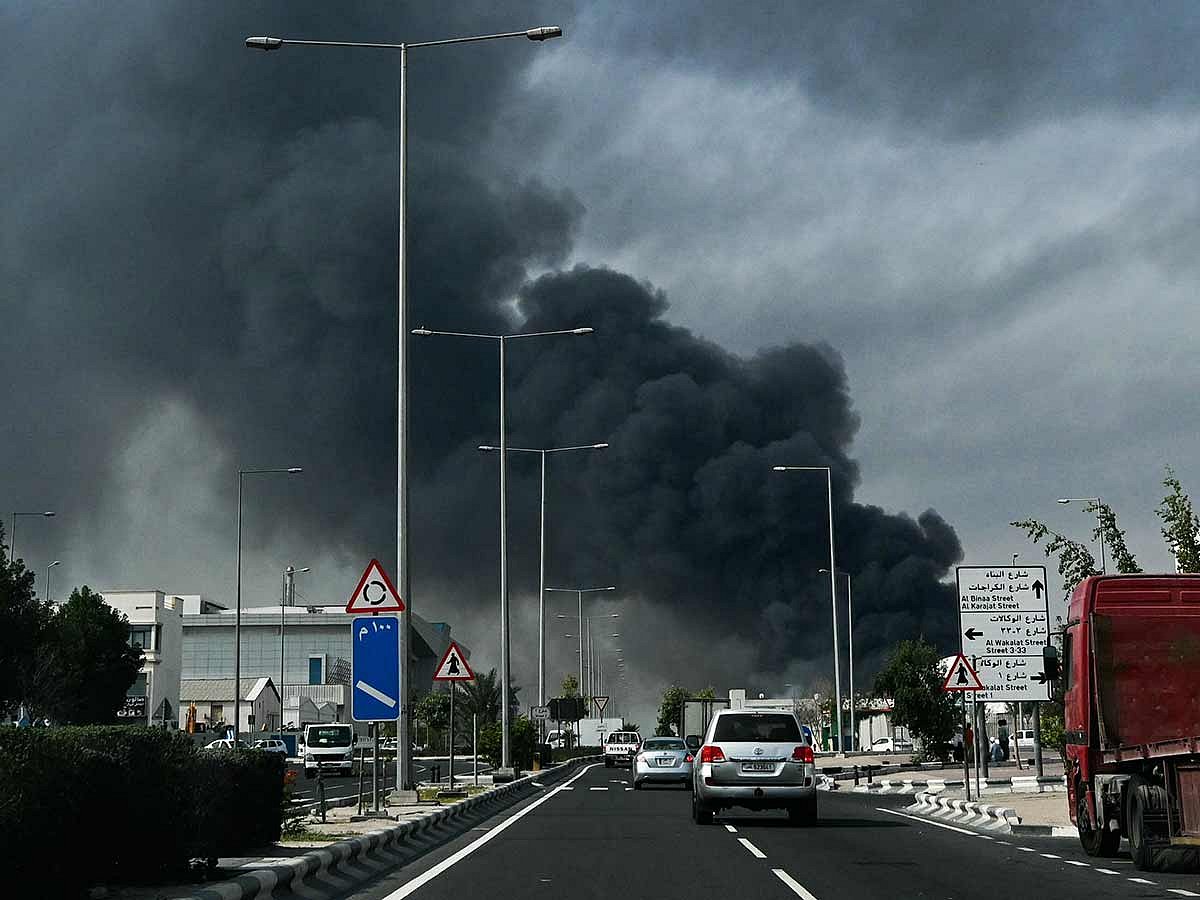
Drone attacks in Qatar: Iran launched drones at energy facilities in Mesaieed and Ras Laffan in Qatar. No casualties were reported.
UAE intercepts drones: Air defences in Abu Dhabi intercepted drones, with debris causing minor damage but no injuries. The UAE has closed its stock exchanges for two days.
Jordan partially closes airspace: Jordan imposed nightly airspace closures amid heightened regional tensions. Authorities described the move as temporary and precautionary.
Hezbollah and Lebanon: Hezbollah fired rockets and drones into Israel, triggering Israeli airstrikes that killed at least 31 in Lebanon. Lebanon’s president warned Hezbollah’s actions expose the country to serious risks.
Israel signals prolonged combat: Israel has called up more than 100,000 reservists and warned of “many prolonged days of combat” in Lebanon. Military officials say all options, including ground operations, remain on the table.
Hospitals and civilian sites hit: Iranian state media showed damage at a Tehran hospital, while WHO urged all sides to protect civilians and health facilities. No radiation increases have been detected so far, the IAEA said.
Nuclear site claims: Iran says its Natanz enrichment site was targeted, though US and Israeli officials have not confirmed this. The IAEA reports no verified damage to nuclear facilities so far.
Iran refuses negotiations: Senior Iranian official Ali Larijani said Tehran “will not negotiate” with the United States. Iran’s temporary leadership council says state institutions continue functioning.
Global reactions: Russia said it remains in contact with Iran and Gulf states, while Germany ruled out joining military action. Turkey temporarily suspended short-term border crossings by Iranian visitors.
Europeans stranded: Tens of thousands of European tourists remain stuck across the Middle East due to airspace closures. Germany says military evacuations are currently not possible.
Media and communications disrupted: Strikes reportedly knocked Iranian state TV transmitters offline in parts of Tehran. Internet access inside Iran remains largely blocked.