
Table of Contents
Dubai: Some restaurants in Dubai are seeing stronger engagement from residents, while others report a drop in tourist-driven dining, as the city’s hospitality sector adjusts to ongoing regional travel disruptions.
Operators say the industry is focusing on maintaining operations, supporting staff, and keeping venues open, while closely monitoring customer demand and supply chains.
Sign up for our daily business newsletter, Cheques & Balances.
“Hospitality businesses in Dubai are built on resilience,” said Dr Naim Maadad, chief executive and founder of Gates Hospitality, a company behind brands such as Reform Social and Grill, Papafuku, and Six Senses, Zighy Bay.

The focus, he said, has been on maintaining “operational stability, ensuring normal operation, consistent supply chains, flexible staffing models, and strong communication with teams and suppliers.”
Stay updated: Get the latest faster by downloading the Gulf News app – it’s completely free. Click here for Apple or here for Android. You can also find it on the Huawei AppGallery.
Resident demand
For several neighbourhood venues, local residents are helping sustain footfall.
Ahmed Mansour, General Manager of SPK Dubai, said, “Dubai still has one of the strongest resident markets in the region, and that’s something many people underestimate.”
He added, “Even when tourism slows and experience slows, which I believe will be temporary, the city still has an active base of residents who continue to go out, dine, and socialise.”
Dr Maadad said some community-based outlets continue to perform well. “Reform Social and Grill in The Lakes continues to see high footfall from within the surrounding community,” he said.
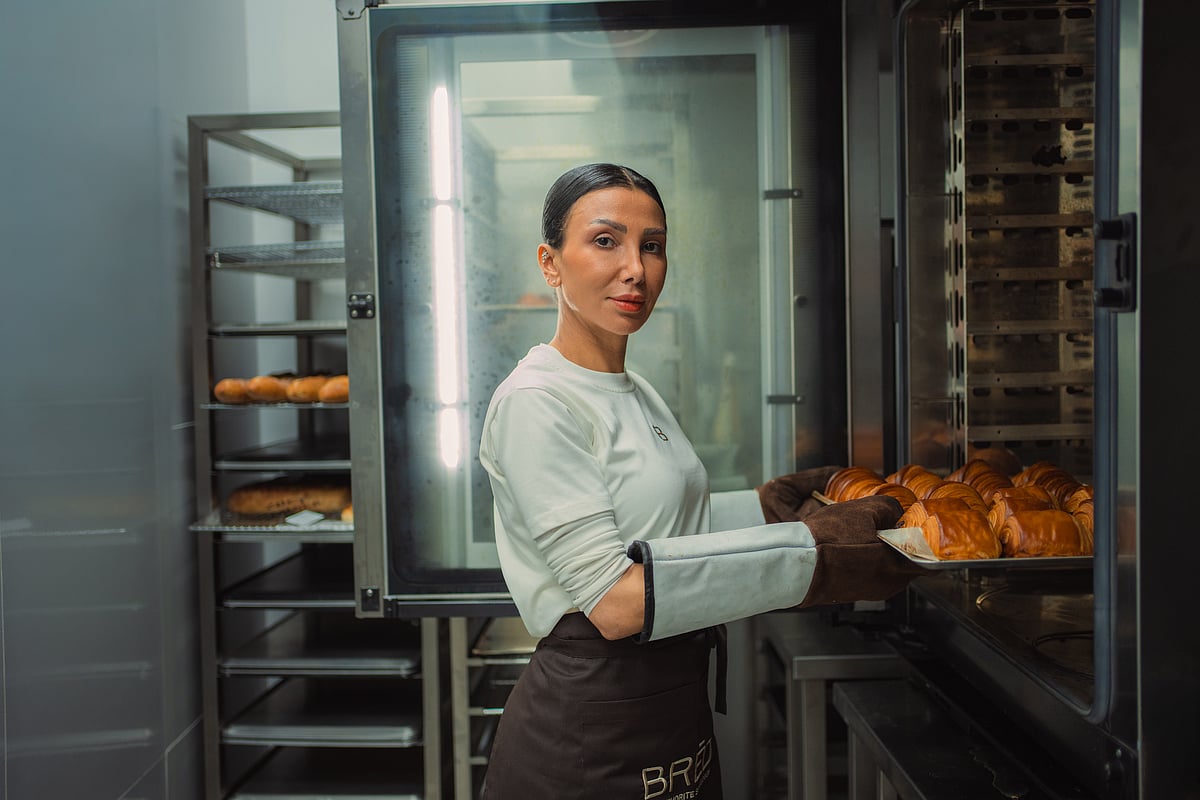
Similarly, Maha Morley-Kirk, Co-Founder and Baker at BRĒD Bakehouse, said the café continues to see steady engagement from regular customers. “We’ve seen a steady flow of our regular guests and the wider community continuing to visit,” she said.
Morley-Kirk added that cafés often become places where people gather during uncertain periods, helping maintain a sense of normalcy.

Not without challenges
Some restaurant operators, however, say tourist-driven locations have been affected more significantly, especially those located in areas with high tourist footfall.
Paul McGee, Founder of 1720 Hospitality Group and CEO of Mezzanine Bar & Kitchen, said tourist-heavy locations have felt the impact. “In respect of The Black Sheep, it remains a community venue, so it hasn’t been impacted at all. I would say there’s been a 10 per cent decrease in terms of visits,” said McGee.
“But for Mezzanine at the Souk Madinat, unfortunately, it has been the one that has suffered quite heavily. But I think that’s because it’s a tourism spot,” explained McGee.

“At this stage, we have actually observed a slight decrease in visits rather than an increase,” said Jaime Castaneda, Group CEO of 99 Sushi Bar and Restaurant.
The company said Ramadan is traditionally a quieter period for dining, and the current situation has added further pressure on sales. However, the business continues to operate normally while prioritising the safety and well-being of both guests and staff.
Business continuity
Despite these shifts, most operators say business continuity remains the priority.
Many venues are continuing operations with minimal changes while reviewing staffing, supply chains and inventory levels.
“At SHI Hospitality, across our three venues — MEI, SHI and MOLI — we continue to operate during our normal hours while closely monitoring the situation and following all government guidance,” said Diana Rysbaeva, CEO and Founder of SHI Hospitality Group.
She added that the group has strengthened its delivery services and takeaway options for customers who prefer to dine at home. “We have strengthened our delivery options through platforms such as Deliveroo and are also placing greater emphasis on catering and takeaway offers,” she added.

Pricing approach
Across the sector, operators say pricing remains stable, with most venues focusing on maintaining guest engagement rather than raising rates.
“We are not looking at reactive price increases,” said Maadad. “The focus remains on value, quality, and consistency.”
Castaneda echoed this approach, saying price increases are not currently being considered. “It would not feel fair to pass uncertainty directly on to customers.”
McGee added: “Now is the time to solidify ourselves as a community and as homegrown businesses, and most importantly, look after each other.”

Supply watch
Supply chains remain largely stable for now, though some operators say they are closely monitoring imports and fresh produce availability.
Castaneda said the group has experienced “some minor shortages, mainly in fresh produce”, but overall supply remains manageable.
McGee also warned that prolonged disruptions could eventually impact imports.

What’s next?
F&B operators say flexibility and operational stability are central to their short-term response. Many are focusing on maintaining day-to-day operations, supporting staff, and adapting to changing consumer behaviour. “In the short term, we are focusing on operational efficiency, supporting our teams, and driving footfall across our venues,” said Dr Naim.
Others are also strengthening alternative revenue streams. Diana said, “flexibility is essential”, adding that the company has expanded delivery through platforms such as Deliveroo and placed greater emphasis on catering and takeaway as some customers prefer to enjoy restaurant-quality meals at home.
Looking further ahead, operators say community engagement and preparedness will be key to long-term stability. Diana said the group’s strategy “remains focused on strong relationships with our local community and delivering consistent dining experiences that appeal to both residents and visitors.”
Castaneda also said his brands have contingency plans in place, “similar to those we implemented during the pandemic.”
Industry resilience
Operators say Dubai’s hospitality sector has faced disruption before, referring to the Covid-19 crisis, and has developed strong resilience.
“Dubai has an incredible ability to adapt and bounce back quickly,” said Rysbaeva.
Morley-Kirk added that the sector has previously weathered difficult periods through collaboration and community support. “The F&B scene in Dubai ultimately came back stronger because of the support between businesses and the wider community. That same spirit of resilience continues to guide us today,” she said.