
Table of Contents
Dubai: The UAE has once again put the interest of the people first by warning retailers against price increases for nine categories of essential goods during Ramadan, while inspection teams in Dubai have already begun field visits ahead of the holy month to ensure price labels match checkout bills and that supply levels remain stable.
Sign up for our daily business newsletter, Cheques & Balances.
Click here for the Ramadan prayer timings
Authorities say the early inspections reflect a wider national push to shield consumers from seasonal price pressures during a period when grocery spending typically rises sharply across households.

The Dubai Corporation for Consumer Protection and Fair Trade confirmed that inspection campaigns are already underway across supermarkets, cooperatives and neighbourhood grocery outlets, focusing on verifying shelf prices, monitoring promotions and ensuring no retailer raises prices without prior government approval.
Click here for the Zakat calculator
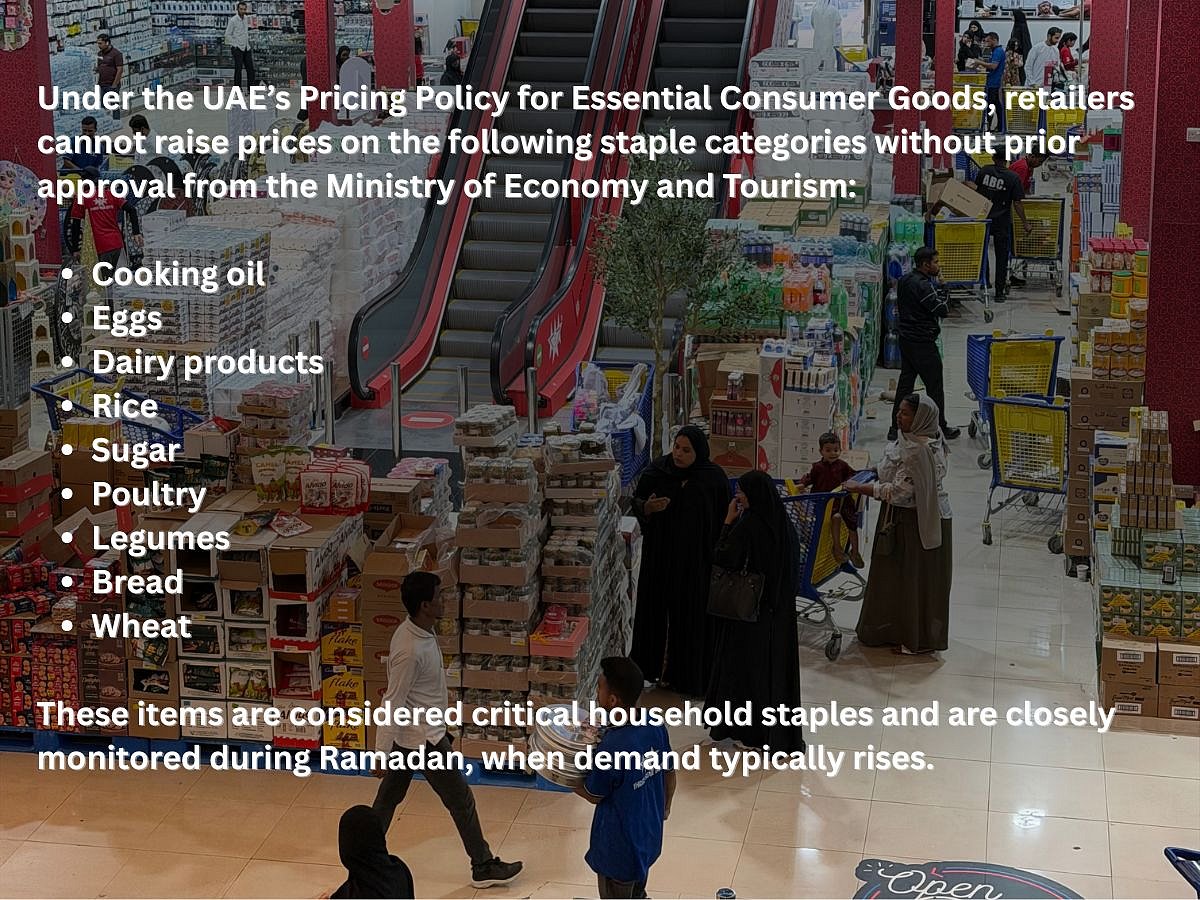
The policy applies to cooking oil, eggs, dairy products, rice, sugar, poultry, legumes, bread and wheat, all of which are categorised as essential goods under federal consumer protection regulations. The pricing policy for essential consumer goods prohibits any unilateral price increases without government approval, forming a key pillar of the country’s consumer protection strategy. Any attempt to increase prices on these items without approval triggers immediate enforcement action.
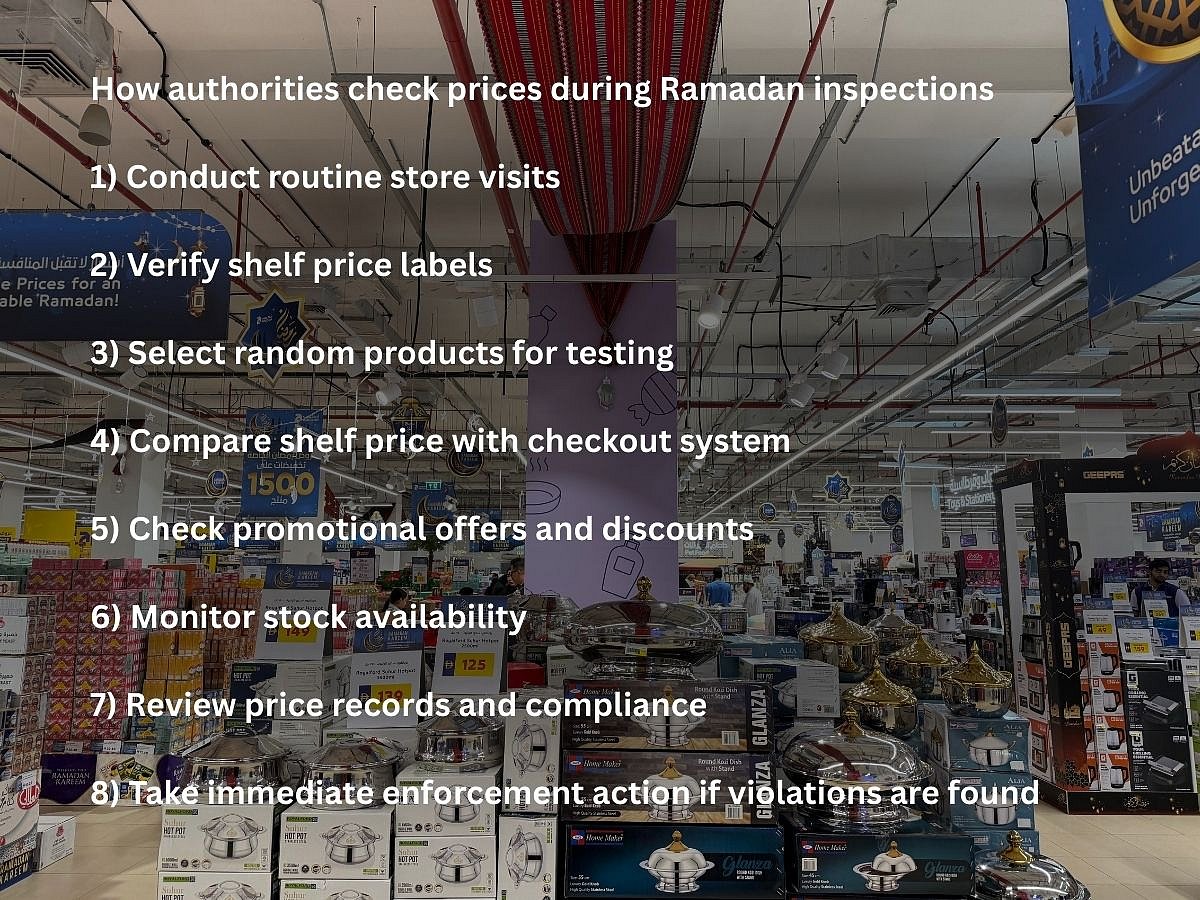
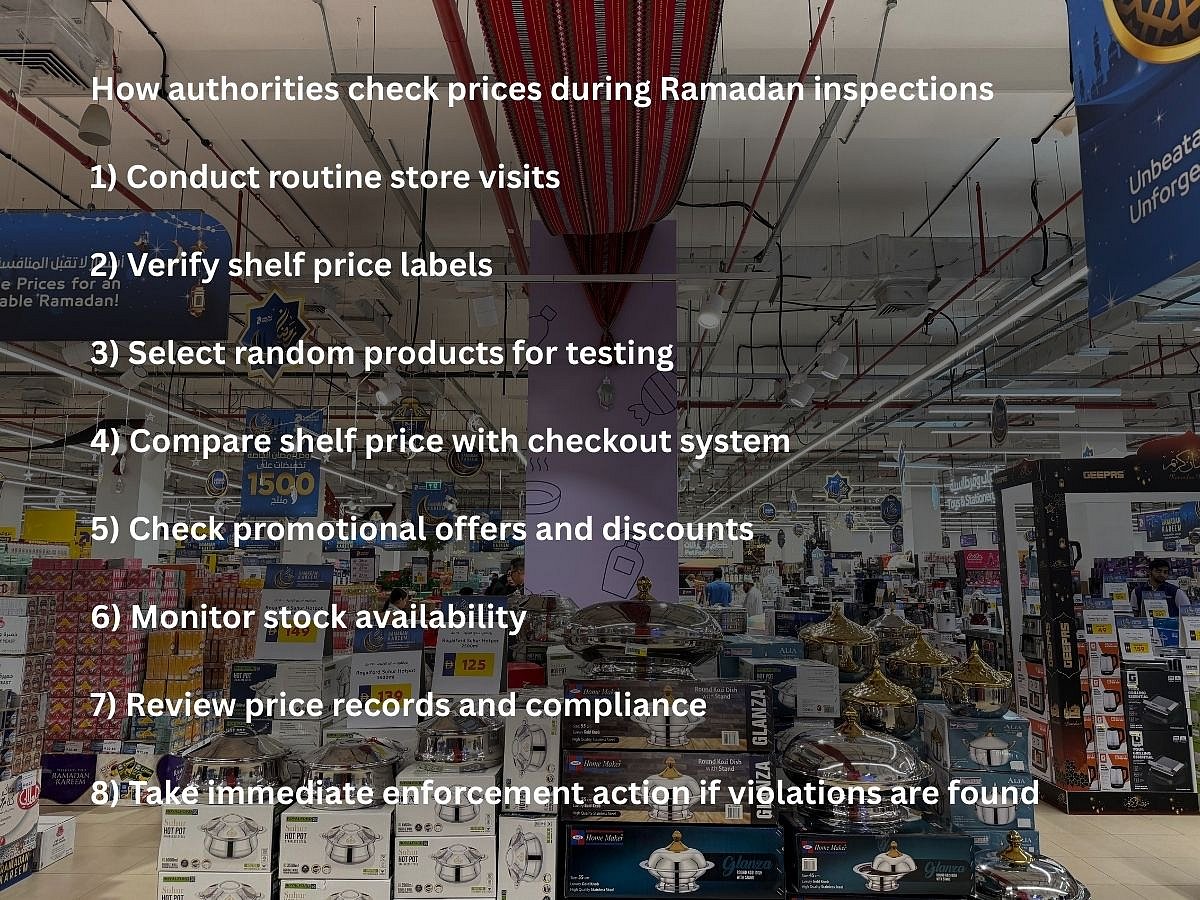
Ahmad Ahli, Acting Director of Consumer Protection at the Dubai Corporation for Consumer Protection and Fair Trade, said inspection teams conduct routine visits to ensure transparency across retail outlets.
“We do conduct regular visits to make sure that the prices are stable and the promotions are actual and to make sure that the prices on the shelves are the actual price that the consumer will pay at the cash counter,” he told Gulf News during an inspection visit on Tuesday.
Inspectors conduct detailed verification checks in stores, often selecting random items from shelves and testing them at checkout systems to confirm consistency. “In all stores, we do pick random items and we take them to the store, we check the price on the shelf, we take them to the point of sale and scan it using their scanners to make sure that it matches the price on the shelf.”
Authorities consider any discrepancy between advertised prices and checkout charges a serious violation, particularly during Ramadan when consumers depend heavily on promotions and seasonal offers.


Immediate enforcement for violations
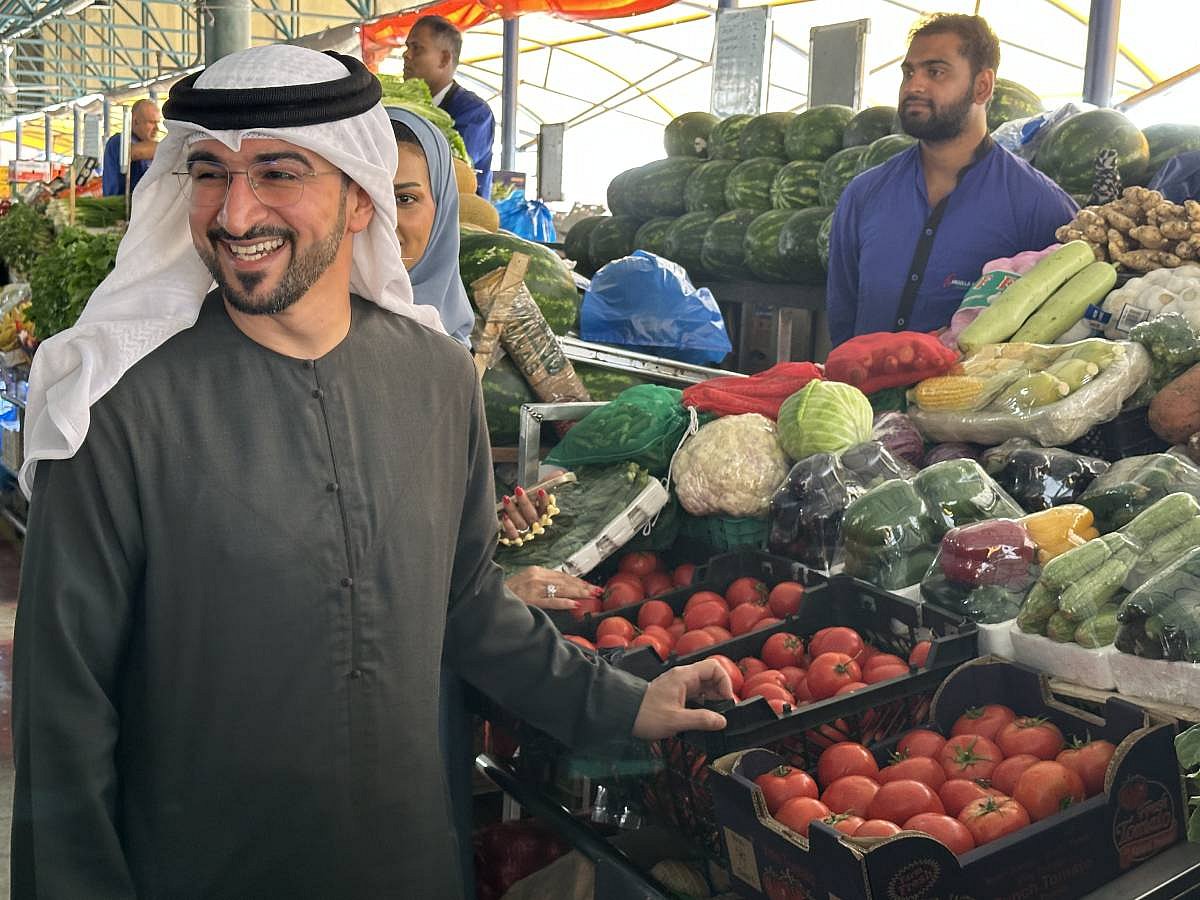
Regulators said enforcement action begins immediately upon detection of violations, reflecting a zero-tolerance approach to price manipulation. “Enforcement is taken immediately, especially when it comes to issues that impact the consumer,” Ahli said. “If there’s a price increase in any of the essential products, then we immediately seize the sales of that product until the price is adjusted within the approved range.”
Authorities also investigate complaints filed by consumers, verifying whether price increases fall outside approved thresholds.
Inspection campaigns run throughout the year, although they become significantly more intensive during high-demand periods such as Ramadan, back-to-school seasons, New Year, Eid and other major holidays.
During Ramadan, inspection efforts concentrate on high-traffic outlets, including large supermarkets and cooperative chains, where demand for staple goods surges sharply. Violations can trigger swift penalties depending on their severity. According to the UAE Ministry of Economy and Tourism, enforcement follows a graduated approach that may begin with a written warning and a deadline to rectify the breach, but financial penalties can escalate quickly. Fines start from Dh500 and can reach up to Dh100,000, while additional administrative measures may include temporary closure of an establishment. In serious cases or repeated offences, stricter sanctions proportionate to the scale and impact of the violation may be imposed to protect market stability and consumer interests.
Price differences allowed, manipulation is not
The Acting Director clarified that price variations between retailers remain legal under UAE market rules, reflecting normal competition dynamics. He said most consumer complaints during Ramadan stem from confusion over promotional offers or differences between stores rather than deliberate violations.
“A consumer is eligible for the price that is advertised on the shelf, and when he goes to the checkout counter, you should pay exactly the same price.”
He added that regulators closely monitor promotional campaigns to ensure clarity, particularly when discounts apply only to loyalty programme members.
Authorities have also required retailers to display promotional terms prominently to avoid misleading consumers. Ahli said regulators work closely with major retail groups to ensure transparency and prevent unjustified price increases during peak demand periods.
“Compliance rates are extremely high,” he said, noting that cases of deliberate price manipulation remain rare due to strong enforcement and cooperation from retailers.
Ahli confirmed that the authorities also monitor stock levels to prevent artificial shortages that could trigger price spikes or panic buying. “We do monitor stock level,” he said, explaining that ensuring adequate supply remains a core priority alongside price stability.
According to the UAE Ministry of Economy and Tourism, the broader consumer protection framework is supported by legislative reforms, digital monitoring systems and strategic stock reserves designed to maintain market stability.
Advice for consumers during Ramadan shopping
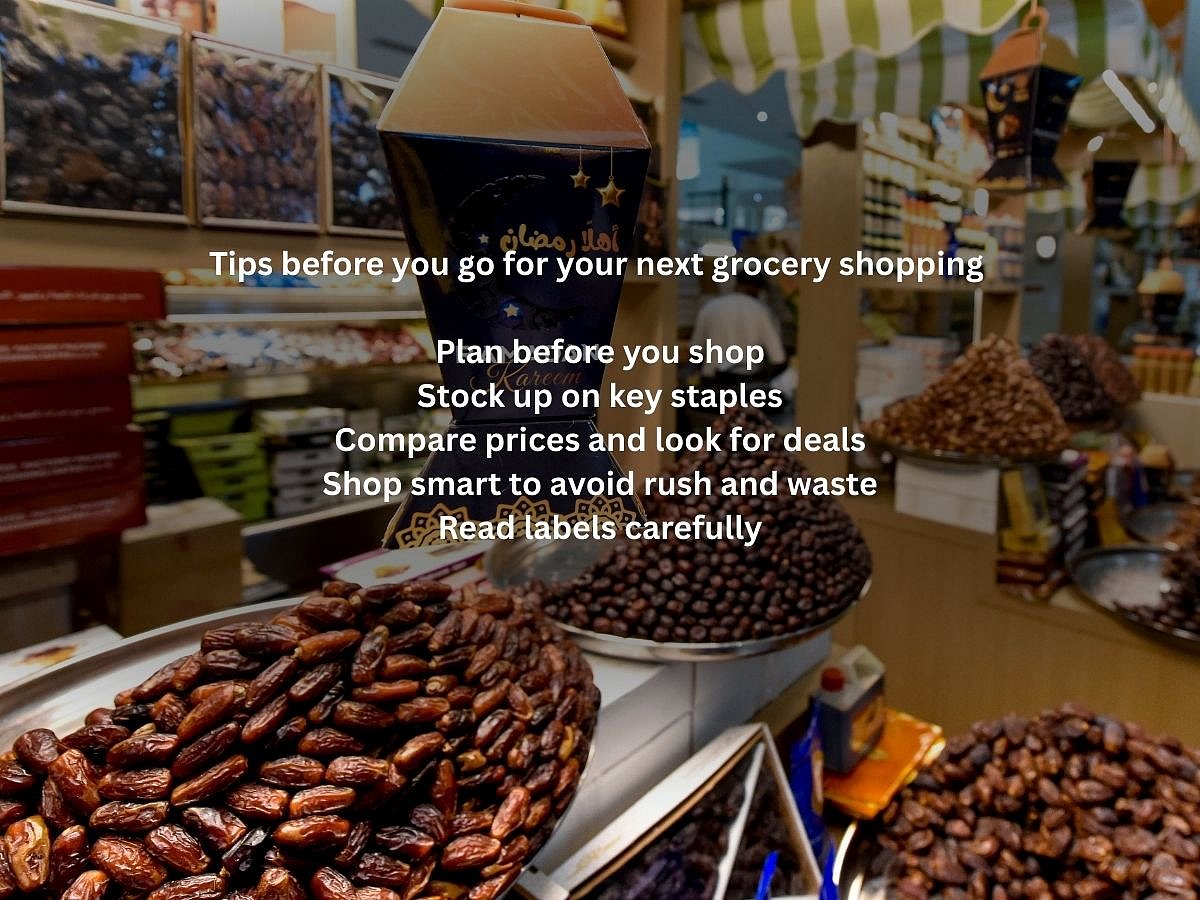
Authorities urged consumers to remain vigilant and adopt smart shopping practices during Ramadan, when spending patterns often shift toward bulk purchases. “The first step in consumer protection is the consumer himself being aware, keeping the receipts, making sure you are aware of the products you are buying,” Ahli said. He advised shoppers to compare prices across stores, plan purchases in advance and avoid excessive stockpiling.
Ahli also stressed that receipts remain essential when filing complaints, enabling regulators to investigate potential violations quickly.
Consumers who suspect price manipulation should first raise concerns with store management and, if unresolved, escalate them to consumer protection authorities for immediate action. Authorities say the intensified inspection campaigns reflect a broader objective to maintain market stability and consumer confidence during one of the busiest retail periods of the year.
Strict enforcement, strong retailer compliance and ongoing monitoring are expected to keep prices stable throughout Ramadan, ensuring households can manage their spending without facing unjustified cost pressures.
During 2025, the Ministry of Economy and Tourism and local economic development departments conducted about 155,218 inspection tours across UAE markets, resulting in 7,702 violations. These inspections focused on verifying price labels, monitoring product quality and preventing commercial fraud or trademark infringements. Authorities also handled 3,167 consumer complaints through their digital platforms last year, resolving 93.9% of cases, while 130 product recall requests led to the recovery of more than 551,000 goods, highlighting continued vigilance over consumer safety and compliance standards.
Consumers who suspect price manipulation or unfair practices are encouraged to report them promptly through official channels. Authorities said shoppers should retain receipts and any quotations or purchase records to support their complaint. Reports can be submitted via the consumer protection hotline at 600-545-555 or through the UAE’s online consumer rights portal, where cases are reviewed and investigated to ensure swift resolution.