
Table of Contents
Sign up for our daily business newsletter, Cheques & Balances
Hospitality executives and recruitment specialists Gulf News spoke with have said the challenge is no longer simply finding people to fill vacancies.
As the UAE and wider Gulf move into another phase of hotel, tourism and mega-project development, employers are competing for experienced professionals while looking for people who can combine hospitality skills, adaptability and digital confidence.

The 33rd edition of ATM, running from September 14 to 17, is bringing airlines, hotels, tourism authorities, destinations, technology companies and travel buyers together under the theme ‘Travel 2040: Driving New Frontiers Through Innovation and Technology’.
And while AI and technology are expected to dominate some of the discussions, hospitality executives say the human side of the industry is becoming no less important.
Hiring stays active
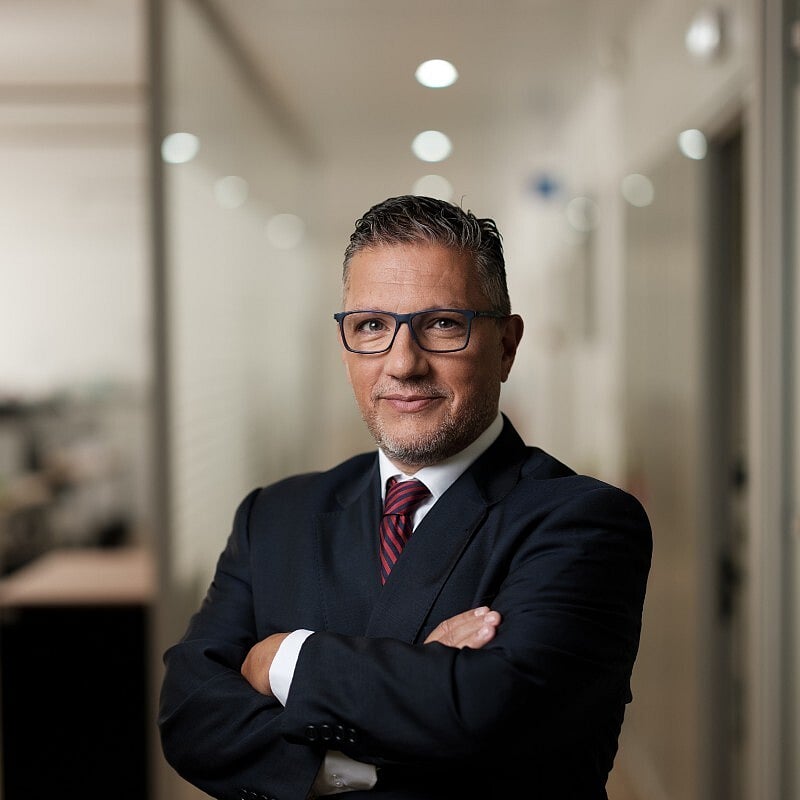
Pedro Lacerda, senior vice-president at TASC Outsourcing, said employers across the UAE and wider Gulf were seeing sustained demand for talent across hospitality, tourism, real estate, infrastructure and other growth sectors.
“The market is moving at a pace that requires employers to be deliberate about workforce planning,” Lacerda said.
The issue, he added, is increasingly one of execution.
“Businesses may know the number of people they need, but sourcing, screening, onboarding and deploying that workforce within the required timeframe can determine how effectively they respond to business demand.”
That becomes particularly important when hotels and resorts need to recruit large numbers of employees within a short period.
Where jobs are
For UAE hotels, the core hiring requirements remain concentrated in the functions that keep properties running day to day.
These include front office, food and beverage, housekeeping, culinary and guest services, according to Lacerda. Hotels are also recruiting specialist talent in areas including revenue management, sales, finance, HR, engineering and IT.
The mix varies depending on the property. An established city hotel can have a different talent requirement from a large resort development, while new openings can require high-volume recruitment across multiple departments.
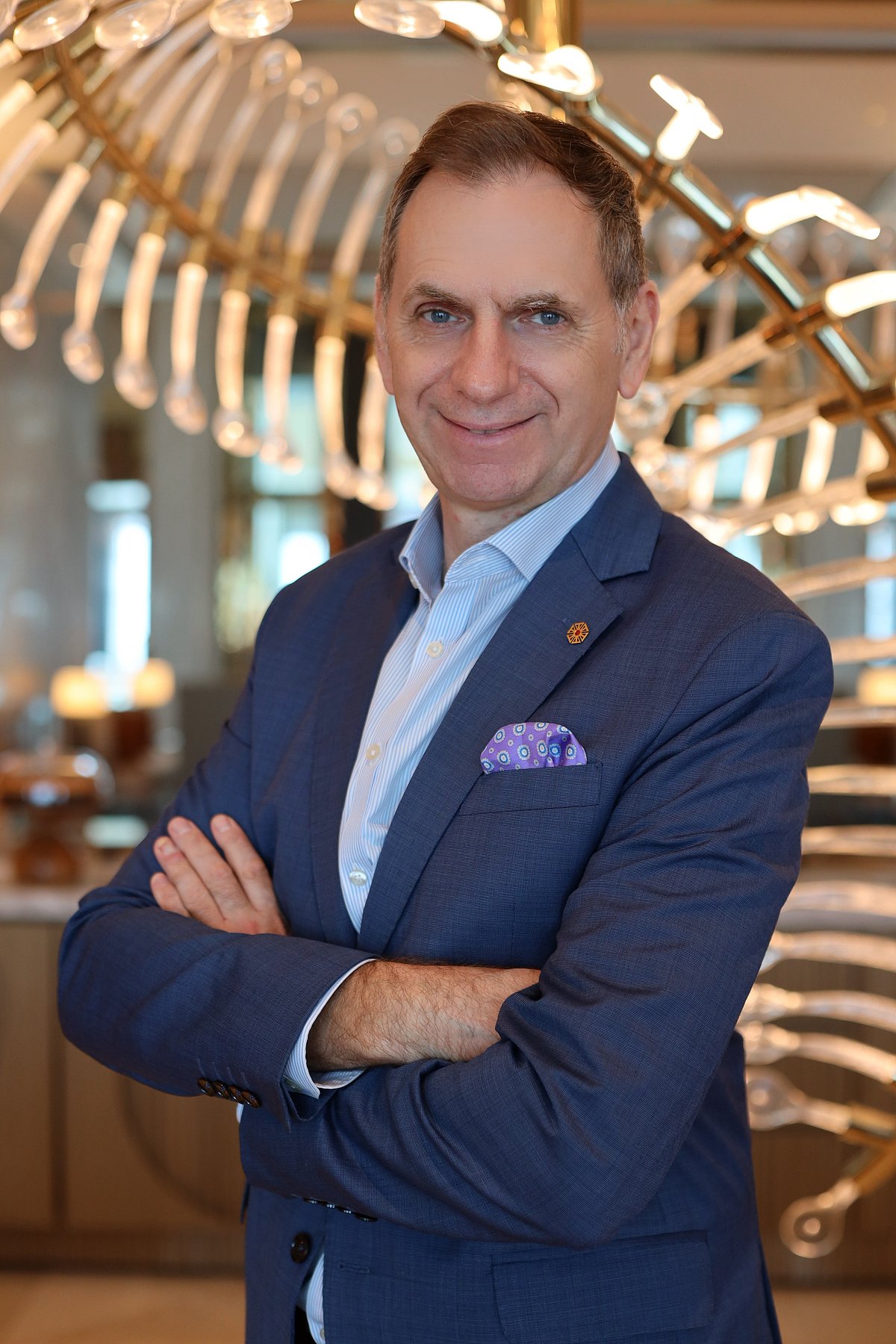
At Marriott Hotel Al Forsan in Abu Dhabi, general manager Catalina Susan said the UAE hospitality market continued to grow in both scale and sophistication, with Dubai and Abu Dhabi attracting increasingly diverse leisure, business and events audiences.
“This is creating sustained demand for talent, but also raising the standard of what we expect from our teams,” she said.
For Susan, hiring is not simply about filling vacancies. The focus is on finding people who can deliver personalised service to a diverse international guest base.

The skills race
That is where the competition for hospitality talent is becoming more nuanced.
Susan said the challenge today was “less about finding people with hospitality experience and more about finding people with the right combination of skills, attitude and adaptability”.
In guest-facing roles, she highlighted cultural awareness, communication, care and empathy as increasingly important.
Greg Kocsis, hotel manager at Taj Exotica Resort & Spa, The Palm, similarly said the biggest challenge was finding people who combined technical capability with the right hospitality mindset.
“In luxury hospitality, particularly in guest-facing roles, genuine warmth, empathy, attention to detail and the ability to anticipate a guest’s needs are just as important as experience,” Kocsis said.
That matters as the UAE hospitality market becomes more sophisticated and competition for experienced employees intensifies across the Gulf.
AI changes jobs
Technology is changing hospitality recruitment, but the message from hotel executives is not that AI will simply replace hotel workers.
Instead, technology is changing how existing roles are performed and the skills employees need to bring to them.
Lacerda said familiarity with property-management systems, digital customer-service platforms, data and automated processes was becoming relevant across a wider range of hospitality roles.
But he stated that hospitality still relies heavily on human interaction.
“Communication, judgement, problem-solving and the ability to handle unexpected situations remain important, especially in guest-facing roles,” he said. Susan takes a similar view.
“Technology is helping hospitality become more efficient, but I do not see it replacing the human connection that defines the industry,” she said.
AI and automation can handle repetitive processes, improve the use of data and give hotel teams more time to focus on guests, she added.
That means digital confidence and data literacy are becoming more valuable, but need to sit alongside judgement, communication and emotional intelligence.
Kocsis said technology could automate repetitive processes and give hotel teams better information, allowing them to focus on personalised guest interactions.
“The future of hospitality is about using technology intelligently to enhance the experience, while ensuring the warmth and personal connection that guests value remains at the heart of what we do,” he said.

The talent race
The competition is expected to intensify as more hotels, resorts and tourism destinations come online across the UAE and wider Gulf.
Lacerda said experienced hospitality professionals were already in demand, while new developments would be recruiting from many of the same talent pools.
“The growth of hospitality across the Gulf is a positive development for the region, but it will naturally make competition for experienced talent more intense,” Susan said.
The UAE, however, has an established advantage, she added, having spent decades building an experienced and diverse hospitality workforce. That does not mean hotels can rely on salaries alone to retain people.
Keeping workers
Compensation remains important, but executives Gulf News spoke with pointed to career progression, learning, leadership and the overall employee experience as key to retention.
Lacerda said people wanted clarity around their roles, access to development and “a credible path forward”.
Susan said compensation was only part of the equation, with meaningful career progression, strong leadership, continuous learning and a workplace where people feel valued becoming increasingly important.
Kocsis said hotels needed to create an environment where employees could see themselves building a meaningful career.
This is particularly important as hospitality competes with a growing number of new developments across the region.
“People are more likely to stay when they feel invested in, recognised and confident that their organisation is committed to their growth,” Kocsis said.
A career, not job
The industry also faces the longer-term challenge of attracting younger professionals.
Susan said there was still an opportunity to change perceptions of hospitality as a career, pointing to the UAE’s international environment and the range of skills young professionals can develop.
A hotel career now extends well beyond traditional front-office and food-and-beverage roles, with opportunities in technology, finance, revenue, sales, marketing, events, engineering and other functions.
Kocsis similarly said hospitality offered opportunities across technology, digital, marketing, sustainability, wellness, revenue management and culinary arts.
“Most importantly, we need to show young professionals that hospitality can be a long-term career,” he said.
The jobs conversation comes as the wider hospitality industry heads into ATM 2026 with questions about the next phase of tourism growth.
The event’s focus on innovation and technology comes against a backdrop of changing traveller behaviour and a hospitality market that has spent the past six months adapting to disruption.
Lacerda expects competition for talent to increase as more hotels, resorts and tourism destinations are announced across the Gulf. For employers, the answer will increasingly involve more than offering a job.
“Compensation remains important, alongside career progression, training, mobility and the working environment,” Lacerda said.
For workers, that points to a market where traditional hospitality experience remains valuable, but where digital skills, adaptability, communication and the ability to work across functions could become increasingly important.