

Table of Contents
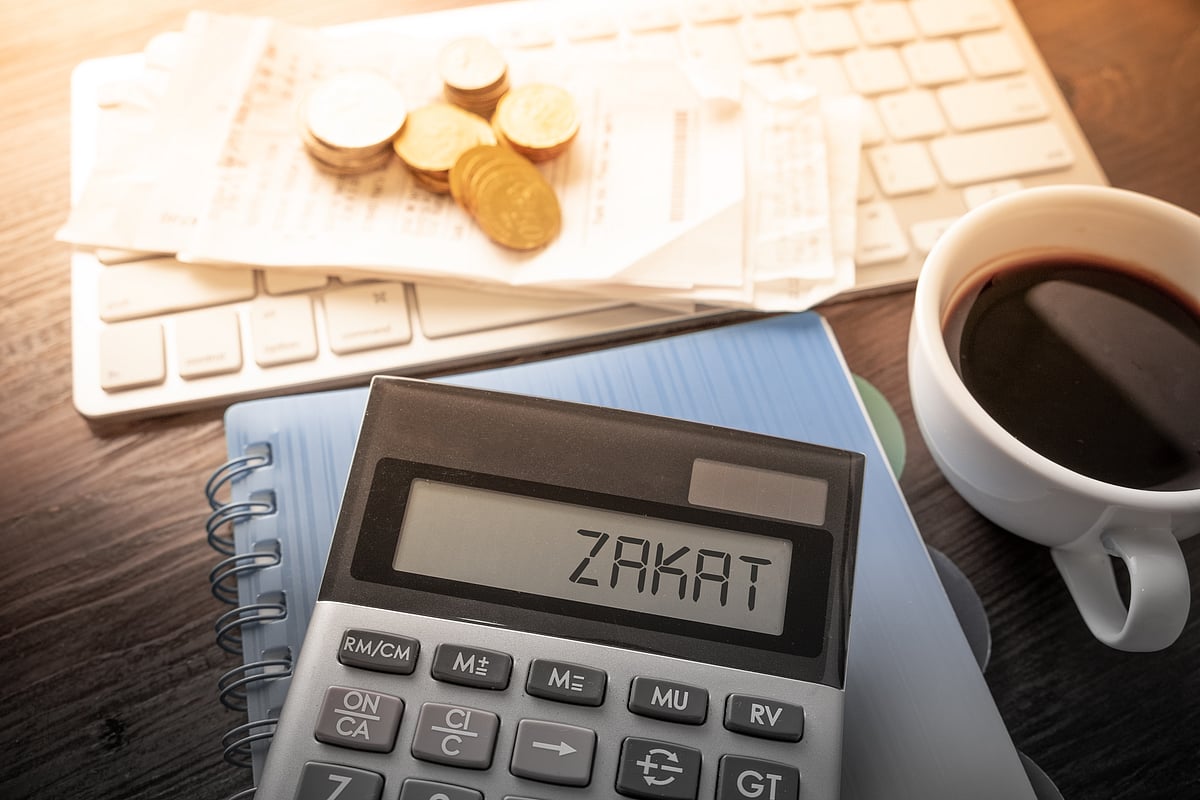
Dubai: Zakat, one of the Five Pillars of Islam, is a core act of worship that requires Muslims to give a portion of their wealth to those in need, including assets such as cash, savings, gold and investments. With gold prices rising sharply in recent months, many people may find their Zakat (wealth zakat) obligations increasing as the value of their holdings grows.
What is the difference between Zakat Al-Mal (wealth Zakat) and Zakat Al Fitr (Fitrana)?
As Ramadan is announced across many countries and preparations begin in UAE to sight the crescent moon, Muslims are starting to calculate what they owe. (Click here for the Ramadan prayer timings)
There are two main types of Zakat:

Zakat Al Fitr is a mandatory charitable donation, typically around 2.5kg of rice or about Dh25 per person that must be paid before the Eid prayer. Every Muslim – man, woman, child, or elderly, who possesses food or wealth in excess must donate.
Zakat Al Mal, on the other hand, is set at 2.5 per cent of accumulated wealth and assets. It can be paid at any time of the year but is most commonly given during Ramadan for increased spiritual reward, and becomes due once the Nisab threshold is met for a full lunar year.
Gold price trends are rising from 2025
Gold prices in UAE have eased from recent peaks but remain elevated compared with both last month and 2025 levels.
Current prices (mid-February 2026)
As of mid-February 2026, the 24-carat gold price stood around Dh593–Dh600 per gram, while 22-carat was in the mid-Dh540s per gram range. These levels reflect the recent volatility seen in bullion markets, with prices swinging sharply through February after topping the Dh610 mark earlier in the month before pulling back.
Compared with last month
A month ago, gold rates were noticeably higher. Prices for 24-carat gold peaked above Dh630 per gram on occasions late in January, before easing into February, and 22-carat gold similarly traded at higher levels toward the end of last month. This pattern shows a mild retreat from January’s highs, even as prices remain well above the levels seen at the start of the year.
Compared with 2025
Comparisons with the same period a year earlier highlight how much gold has climbed over a longer timeframe. In January 2025, 24-carat gold was consistently in the low-Dh300s per gram, with typical rates around Dh318–Dh338 per gram through the month, while 22-carat gold was near the low Dh300s. Those figures are roughly 80–90% lower than current mid-2026 prices, underscoring significant annual appreciation in bullion values.
What’s driving the rise?
This year-on-year rise reflects a broader global trend of precious metal strength that carried into 2026 after a strong rally in 2025. Analysts and price trackers have noted that gold’s rally has been driven by a mix of safe-haven buying, macroeconomic uncertainty and shifts in investor preferences, contributing to the historic highs seen earlier this year.
How to calculate Zakat on gold
Zakat is the charitable giving of a portion of one’s wealth to those in need. It is generally calculated at 2.5% of savings, investments, and other accumulated assets that have been held for a full lunar year.
For those calculating Zakat on gold investments, the jump in gold prices logically increases the amount owed if you hold gold above the Nisab threshold, the rate equivalent to 87.48 grams of gold and 612.36 grams of silver.
Since Zakat is typically calculated as 2.5 per cent of the current market value of qualifying gold, a near-doubling of gold prices compared with early 2025 would translate into an equivalent increase in the Zakat payable in dirham terms on the same physical amount of gold.
Who should give zakat?
Adult Muslims whose wealth exceeds the Nisab threshold for a full lunar year are required to pay Zakat. This includes those with savings, investments, or other qualifying assets. Meeting this obligation ensures support for those in need while fulfilling one of the core pillars of Islam.