
Table of Contents
Neel let out a piercing cry at the New Sonapur Crematorium on Wednesday as he bid farewell to his father, Ramesh Shukla – the legendary lensman known across the UAE as the “royal photographer”.
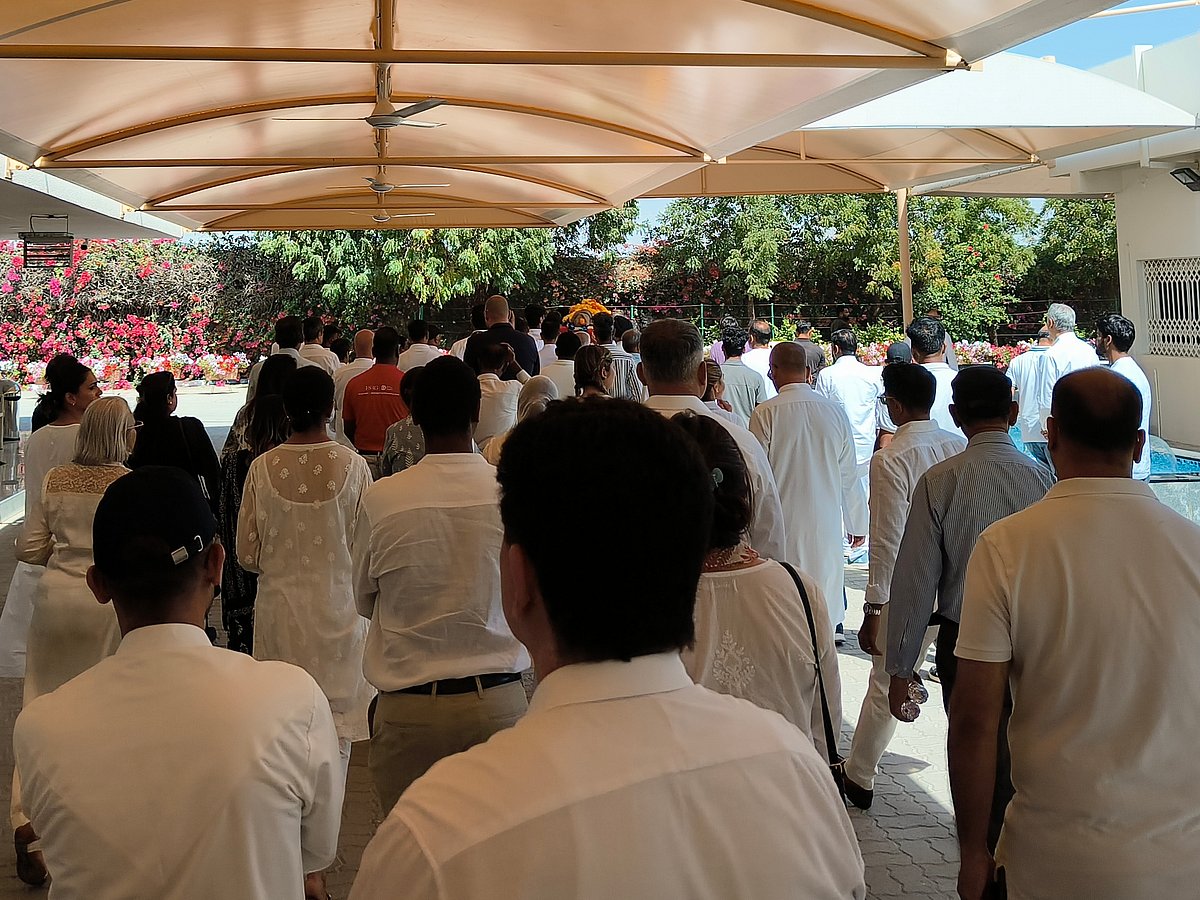
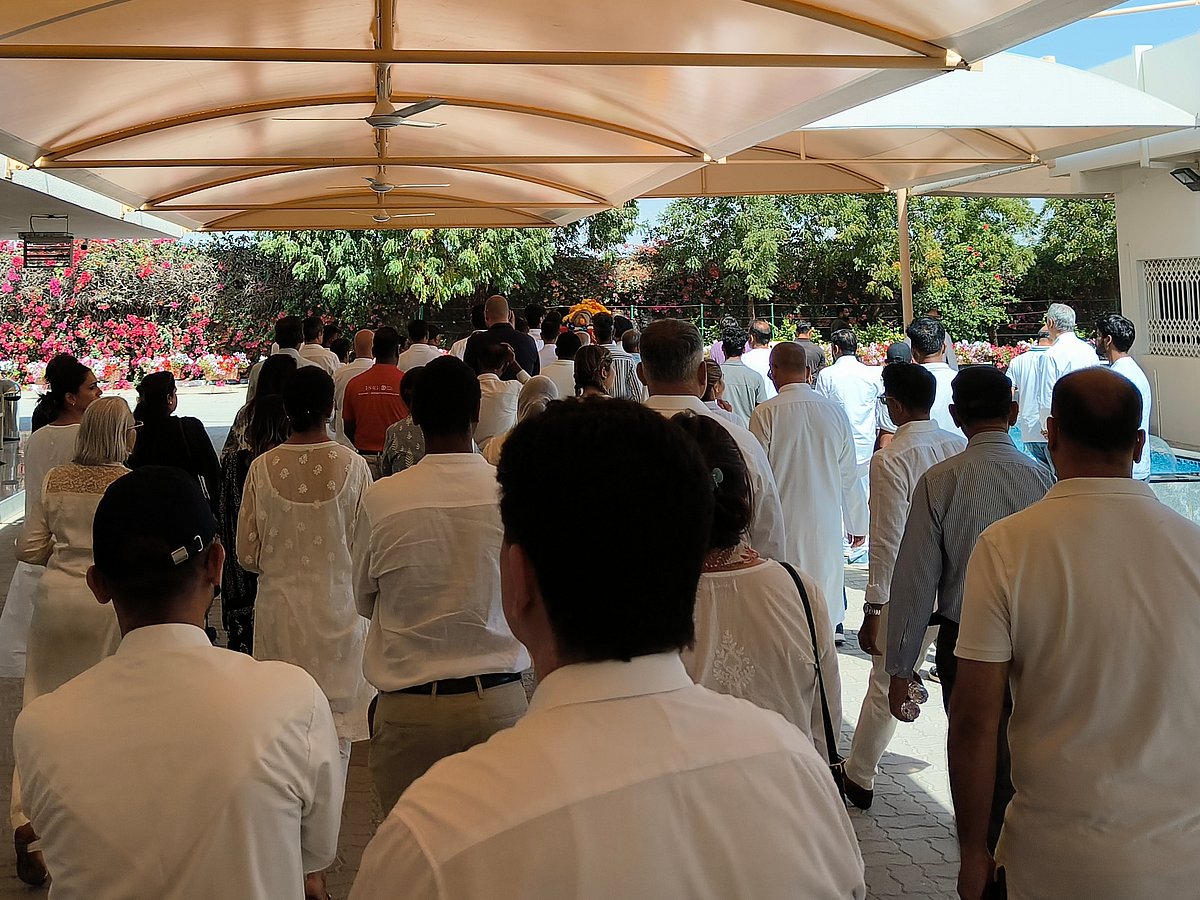
From Shukla’s wife Tarulatta and grandchildren to relatives, friends and staff at the Four Seasons Ramesh Gallery (FSRG), grief hung heavy in the air as the Indian expat photographer who visually chronicled the birth of a nation was cremated. For decades, his camera had captured the defining moments of the UAE’s early years. On Wednesday, history stood still for him.
A life behind the lens
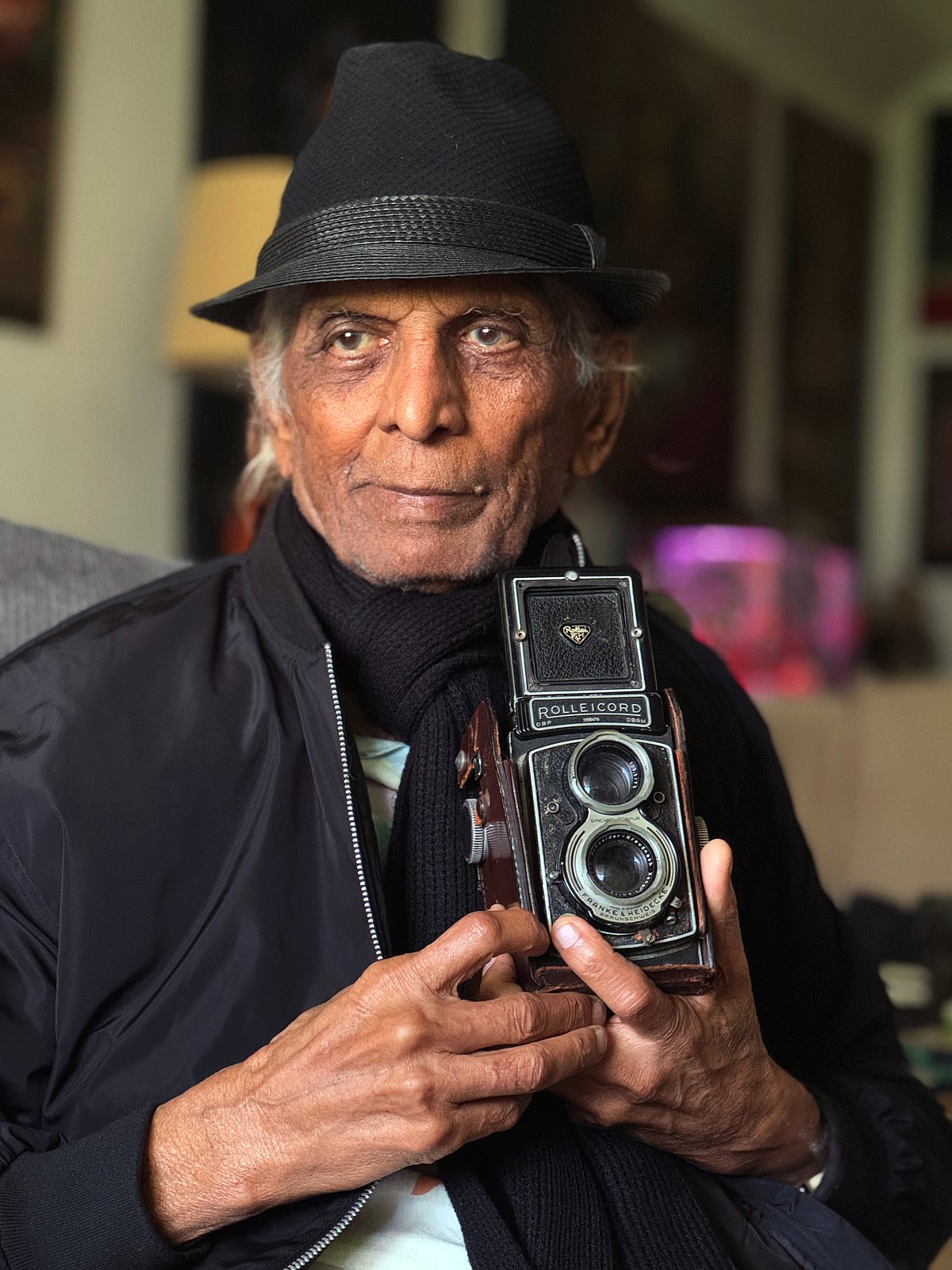
Though he died on Sunday morning at 87, he had been doing what he loved most until the very end.
“At 4 pm the previous day, he was with his pictures, signing them,” Neel told Gulf News, struggling to hold back tears. “I asked him to stop. He said: ‘I will work to the day I die. My history is my legacy, and I want to give it all I can.’”

Neel urged him to rest. His father refused.
“‘Son, this is what I live for. I don’t know anything else.’ His work was his contribution. His passion was his photography.”
When camera fell silent
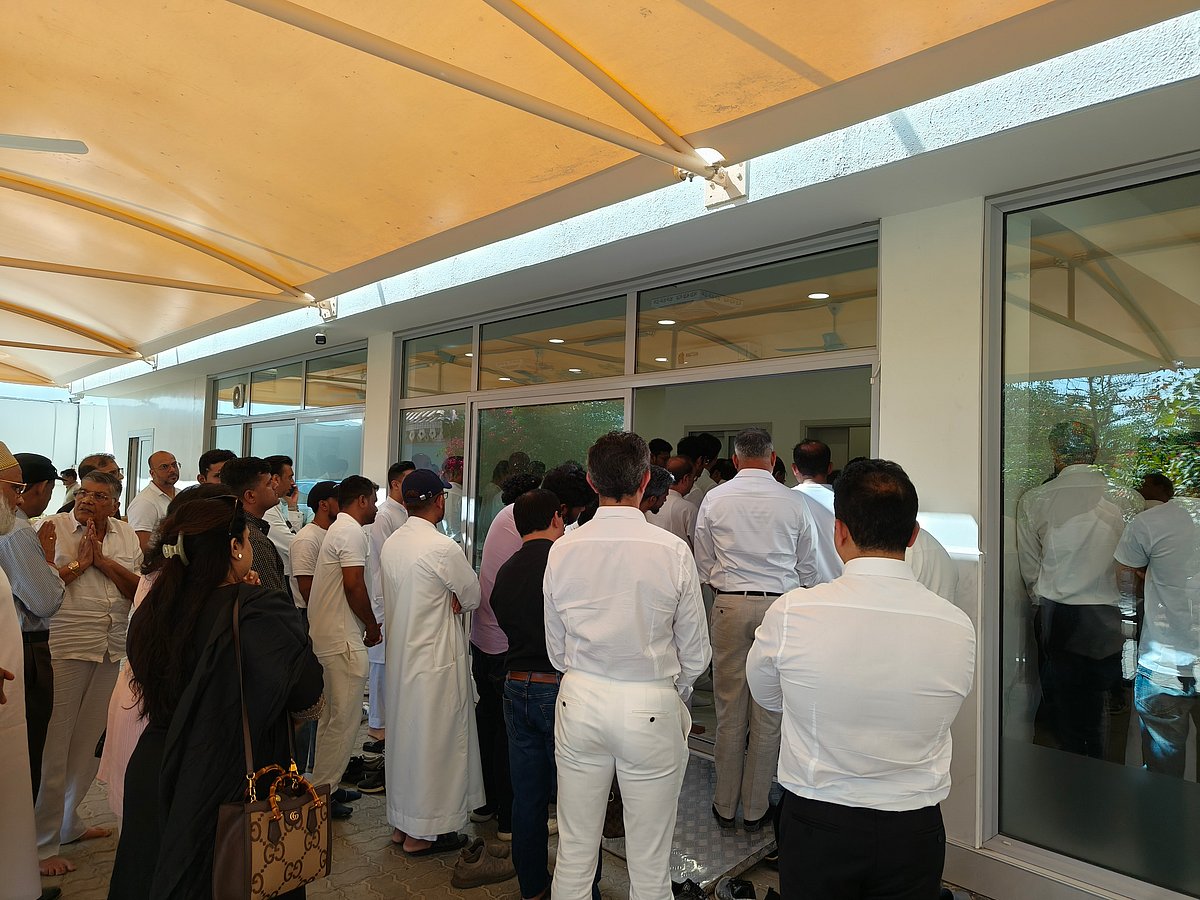
Hundreds turned up to pay their final respects. Many spoke of having met Shukla in recent months – frail, perhaps, but still animated, still eager to speak about the past, still protective of his archive. Photographer Manish Raval, a close associate for two decades, recalled that Shukla had asked him to come over on Monday for work.
“He was so full of energy,” Raval said softly, even as he documented the final rites of the man he admired.
History in a frame
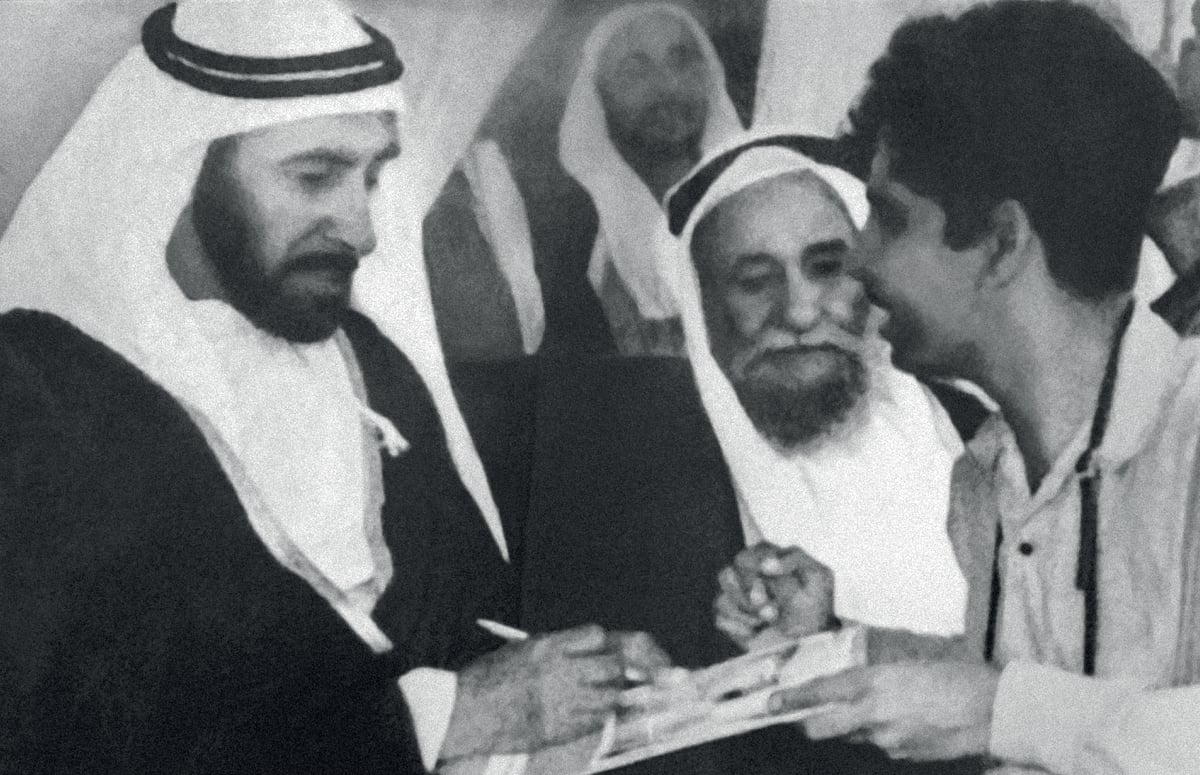
Ramesh Shukla’s legacy is inseparable from the UAE’s own story. Among his most iconic works is the historic image of the late Sheikh Zayed bin Sultan Al Nahyan signing the declaration of the Union in 1971 – a photograph that has since become one of the most reproduced images in the country’s history. His ‘Spirit of the Union’ frame remains a visual anchor of national identity.
“That picture of Sheikh Zayed has become a national document,” Neel said. “It brings the entire nation together. Hundreds of years from now, when people see that image, they will know this is when the UAE was formed. It is a picture of unity.”
Guardian of negatives
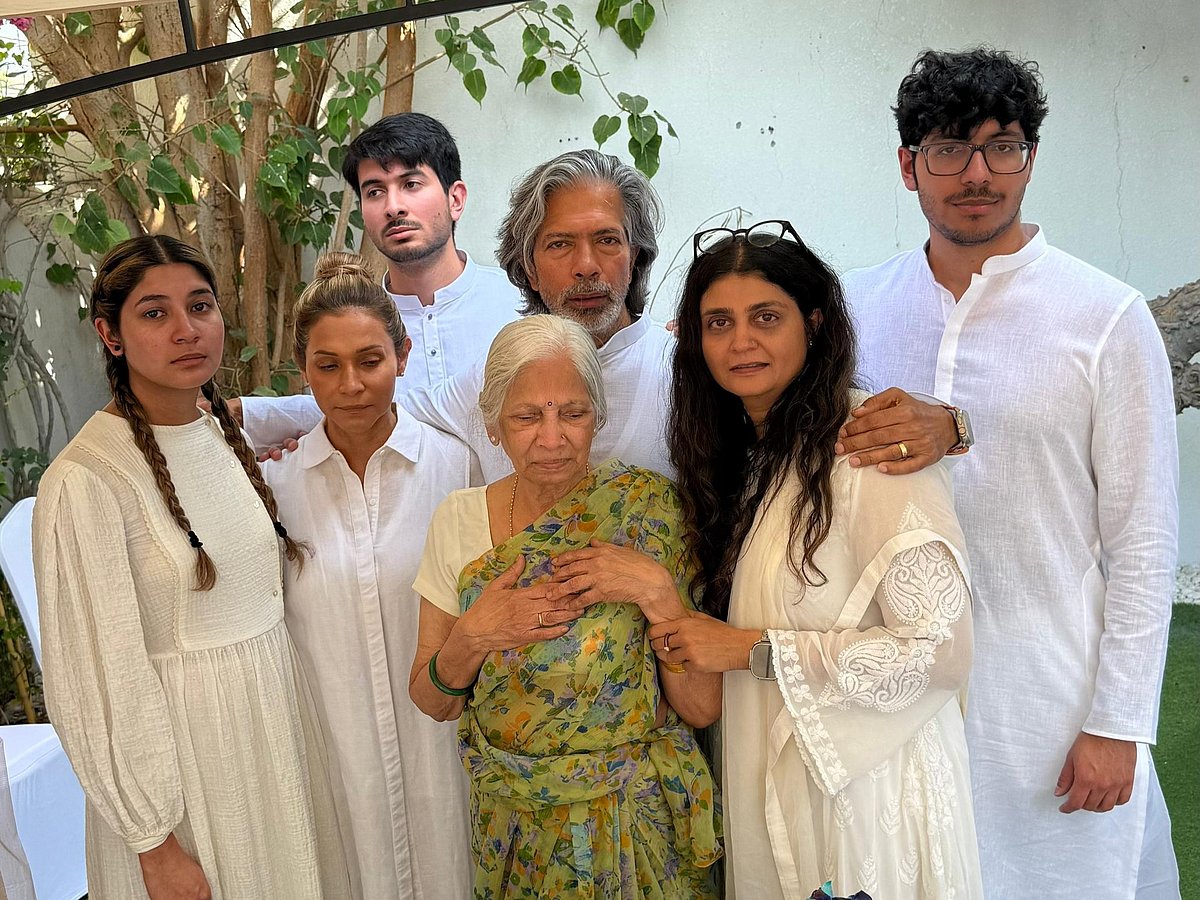
Yet for the Shukla family, the archive was never about commerce.
“We never sold anything, we never commissioned anything,” Neel said.
“My parents knew in their hearts this was for the nation – the history of the nation. Our role was to protect it, preserve it.”
Behind the camera stood his wife, Tarulatta, who developed many of the negatives in the family’s modest darkroom in the 1960s and 1970s.
“We had no resources. They had a small room – it was their darkroom. They would close the curtains and develop pictures in a thali because they didn’t have the equipment,” Neel recalled. “But even with limited means, they managed to protect those historical images.”
Images that built a nation
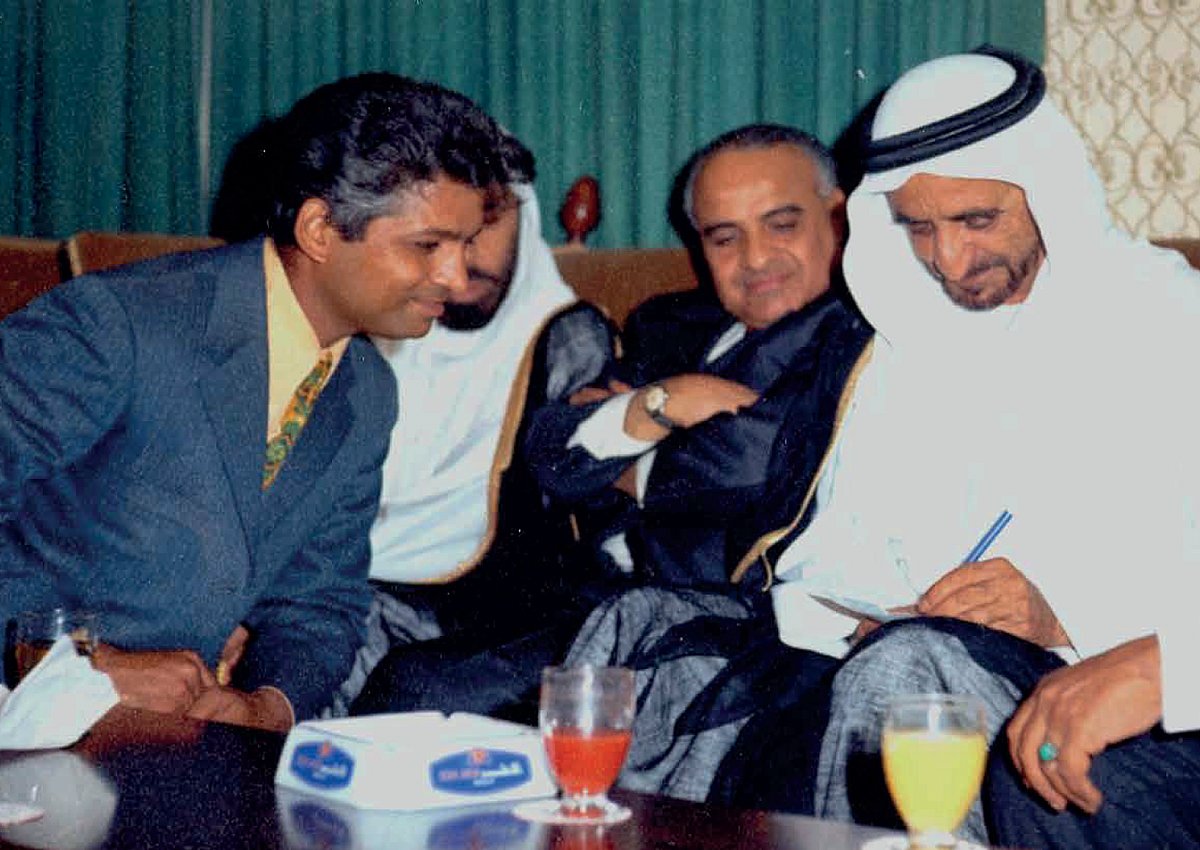
Thousands of negatives remain carefully archived – many unpublished, many unseen.
“This was my father’s dying wish: preserve and protect the history, give it importance,” Neel said.
“That’s why you don’t see them commercialised or freely on the internet. They are used only for institutions, museums, for the UAE banknote – for things that give them meaning and bring the nation together.”
He paused, then added: “We are honoured to play that role – to keep the history alive, in a documenting way, in a photo way.”
A legacy beyond time
Amid the family’s grief, Neel expressed deep gratitude for the condolences extended by Sheikh Hamdan bin Mohammed bin Rashid Al Maktoum, Crown Prince of Dubai and Deputy Prime Minister and Minister of Defence of the UAE.
“Losing my father was so hard. But I am so grateful for the recognition. This is true leadership – recognising people for what they’ve done for the nation. My parents dedicated six decades of their lives. To have that acknowledged means everything.”
As the final prayers concluded and mourners slowly dispersed, the weight of Shukla’s absence settled in. But his images endure – frames that captured unity, leadership and the fragile beginnings of a young federation. His legacy lives on – preserved in negatives, etched in memory, and woven into the visual history of the UAE.