
Table of Contents
Dubai: A widespread belief that breast cancer mainly affects women with a family history of the disease could be discouraging many women from undergoing potentially life-saving screening, according to a Dubai breast surgeon.
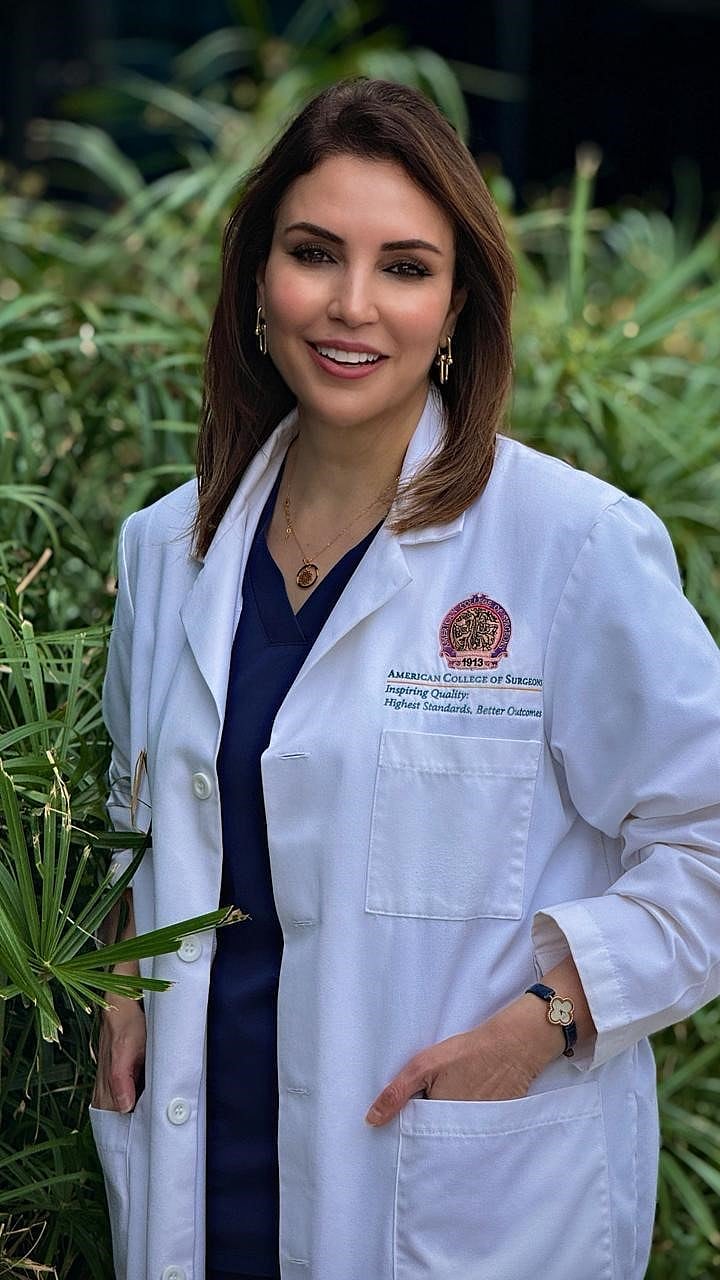
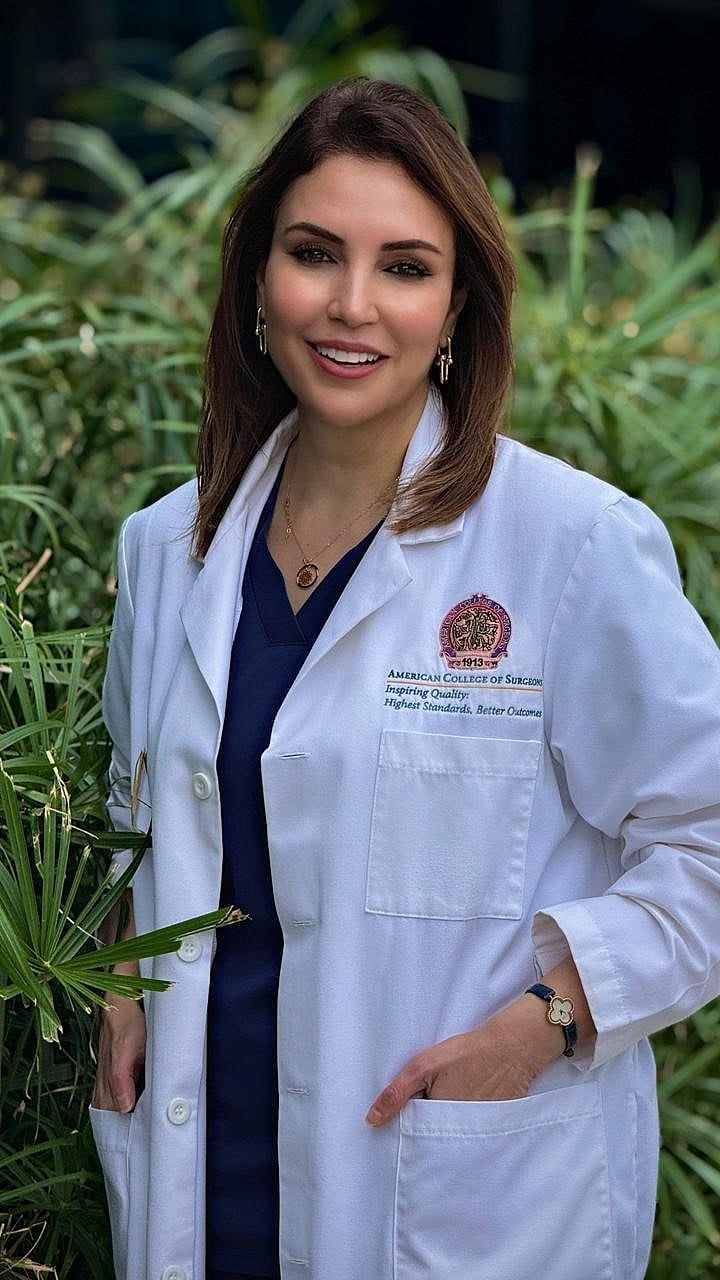
Dr Taghreed Almahmeed, American Board-Certified Consultant General and Breast Surgeon in Dubai, said around 85 per cent of women she diagnoses with breast cancer have no family history of the disease.
Dr Almahmeed, who co-leads a hospital’s Breast Center, told Gulf News in an interview the misconception remains one of the most common concerns she encounters in her practice, with many women assuming they are at low risk if their mother, sister or another close relative has never had breast cancer.

But the absence of family history does not mean a woman is protected from the disease, she added.
Screening age
The issue has particular relevance in the UAE. Almahmeed cited a recent national survey in which 18 per cent of women who reported skipping mammograms said they did so because breast cancer did not run in their family.
“My advice is start screening at 40, regardless of your family history,” she said. Screening can detect cancer before symptoms
Dr Almahmeed said screening plays a significant role in detecting breast cancer before women notice physical changes.
In her practice, she noted that slightly more than half of patients are diagnosed through a screening mammogram, before they have detected anything themselves. The remainder typically seek medical attention after noticing a lump or another change in their breasts.
Important routes
The balance can vary between countries depending on screening programmes and awareness, she said, but both routes remain important. “Mammograms detect things early, often long before you could feel it,” Dr Almahmeed added.
At the same time, she urged women not to ignore changes they notice themselves. While a lump remains one of the better-known warning signs, it is far from the only one.
“Skin dimpling, a nipple turning inward, persistent redness, swelling, a change in the appearance of one breast compared with the other, or persistent pain in a specific area can all warrant medical assessment,” she explained.
“If something feels new and it is still there after two weeks, get it checked,” she said.
Most such changes will not necessarily indicate cancer, but Dr Almahmeed said the objective is to ensure that potentially serious conditions are identified as early as possible.
Do not fear treatment
Another factor that can lead women to delay consultation is fear of what treatment might mean for their bodies and their lives.
Dr Almahmeed said many patients still have an outdated image of breast cancer treatment, particularly the assumption that a diagnosis will inevitably lead to removal of the entire breast, extensive surgery and a lengthy recovery.
For women diagnosed at an early stage, treatment can be significantly less extensive, she added.
“Many patients can undergo breast-conserving surgery, such as a lumpectomy followed by radiation, rather than a mastectomy. In some cases, genomic testing of the tumour can also help doctors determine whether chemotherapy is likely to provide a meaningful benefit. Surgery has gotten smaller and more precise, and recovery is faster,” she explained.
She said early-stage breast cancer is often treated over weeks rather than the prolonged treatment period many women imagine.
New technology
Robotic and endoscopic breast surgery is also becoming more widely available in the UAE and can be an option for selected patients.
Such procedures may involve smaller incisions and, for the appropriate patient, potentially smoother recovery. But Dr Almahmeed cautioned against viewing robotic surgery as automatically superior to conventional approaches.
“Robotic does not mean better cancer outcomes,” she said.
The technology is a tool, she explained, while the surgeon’s judgement, experience and the appropriate treatment of the cancer itself remain critical factors.
“If robotic surgery is not offered where you are, that does not mean you are getting lesser care,” she said, advising patients to ask which surgical approach is most appropriate for their individual case rather than choosing a procedure simply because it uses the newest technology.
Fear of disfigurement
Concerns about appearance can be particularly powerful in breast cancer, and Dr Almahmeed said some women have admitted delaying medical consultations because they feared losing a breast or being left “disfigured” after surgery.
She said advances in breast surgery increasingly allow doctors to address cancer control and aesthetic considerations during the same operation.
“We can remove the cancer and reshape the breast in the same operation, often with results patients are genuinely happy with,” she said.
Better understanding of these options can make women more willing to seek help early rather than delaying a consultation because of fear about the eventual treatment.
As Breast Cancer Awareness Month approaches, Dr Almahmeed has a simple message for women who have been postponing screening.
“Book your mammogram. Not ‘think about it’. Call and book it, today if you can,” she said.
Most useful step
For women aged 40 and above who have gone more than a year without a mammogram, she said screening is one of the most useful steps they can take.
“It takes about 20 minutes, and for most women the result is completely normal, nothing found, appointment done. If you have been putting it off out of fear, that is exactly why early detection matters. The earlier we find something, the simpler the treatment usually is,” she concluded.