
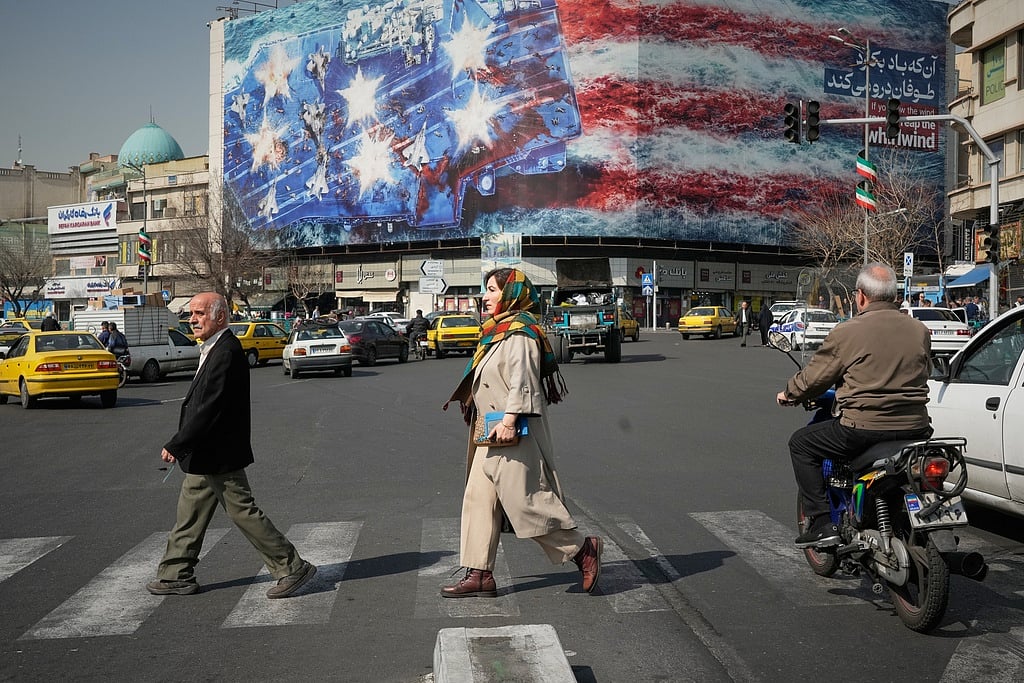
Dubai: Iran’s Supreme Leader Ayatollah Ali Khamenei has initiated contingency measures to safeguard the Islamic Republic amid escalating tensions with the United States and Israel, according to a report published Sunday by The New York Times, which cited senior Iranian officials and individuals familiar with internal deliberations.
The report said Khamenei has expanded the authority of Ali Larijani, secretary of Iran’s Supreme National Security Council, tasking him with a central role in crisis coordination, wartime planning, and institutional continuity should Iran’s leadership structure face severe disruption.
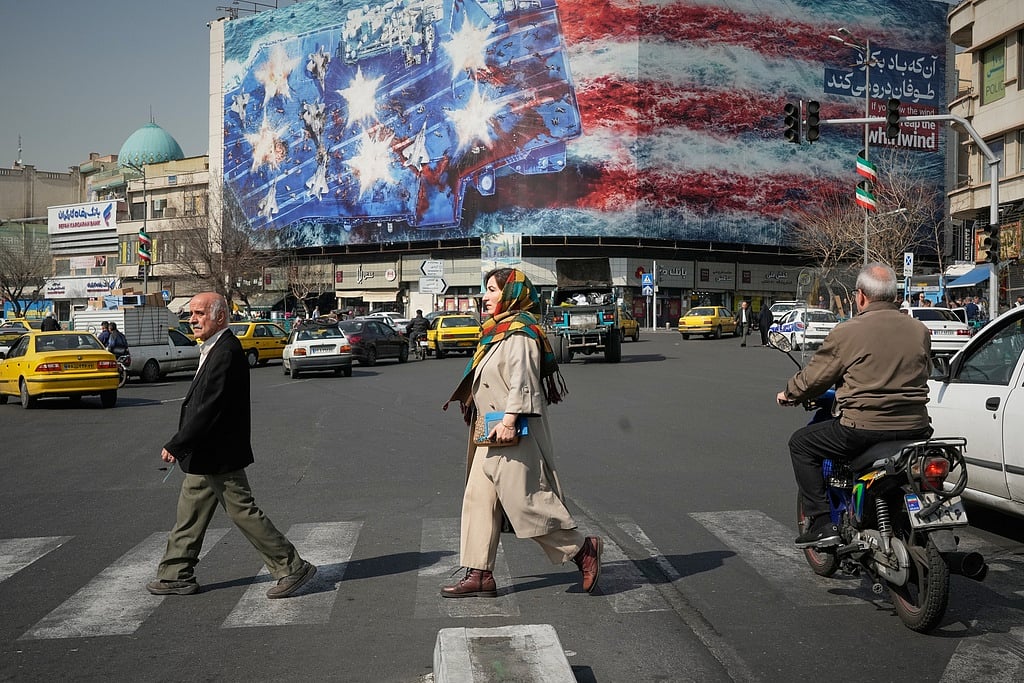
According to sources within the Islamic Revolutionary Guard Corps (IRGC) and Iran’s political establishment cited by the newspaper, Larijani is preparing contingency frameworks for managing the country during a potential military confrontation with the United States, reflecting what officials described as heightened threat perceptions within Tehran’s leadership.

The measures outlined in the report point to preparations for extreme scenarios, including the possibility of military strikes, assassinations, or communication breakdowns during conflict.
As part of these precautions, Khamenei has issued instructions to Larijani and a small circle of trusted political and military figures on mechanisms designed to ensure the survival of the state structure in the event of destabilising shocks — including his own possible assassination, the report noted.
Central to this strategy is what officials described as a multilayered succession architecture. Sources close to the leadership told the newspaper that Khamenei has established a four-layered replacement framework for key military and governmental positions, with each critical role assigned multiple designated successors.
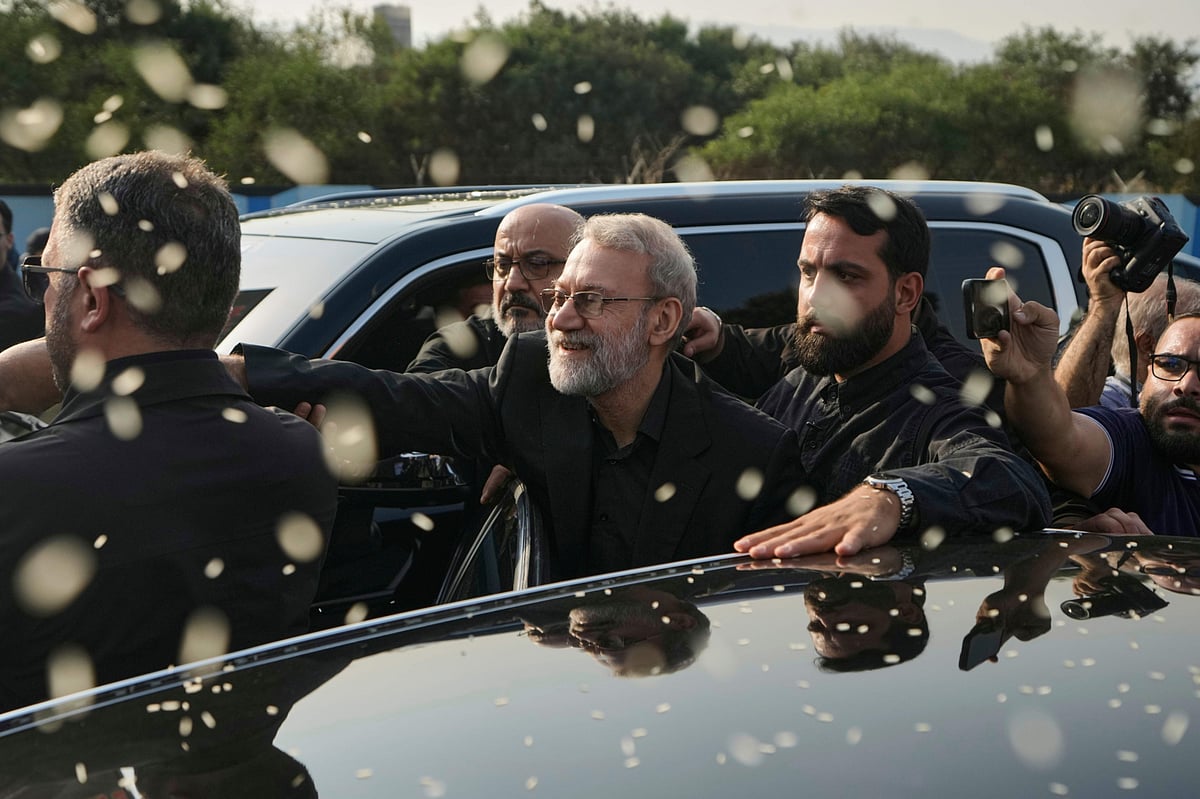
The objective, according to the report, is to prevent decision-making paralysis or fragmentation in crisis conditions, particularly if senior leadership figures are incapacitated or lines of authority are disrupted.
In parallel, Khamenei has reportedly authorised a limited group of officials to exercise autonomous decision-making powers under extraordinary circumstances, such as wartime communication failures or leadership losses.
While succession planning has long been a sensitive subject within Iran’s political system, the reported scale and urgency of these measures underscore the leadership’s concerns over a volatile regional security environment and the risks of direct confrontation with Washington or its allies.
Internal power dynamics
The New York Times account further suggested that Larijani’s expanding responsibilities have coincided with a visible shift in Iran’s internal power dynamics.
Larijani, a veteran conservative politician and former Revolutionary Guards commander, is portrayed by officials as a trusted stabilising figure with deep ties across Iran’s security and clerical establishments. His growing prominence, the report indicated, has contrasted with the relatively subdued public profile of President Masoud Pezeshkian.
Despite Larijani’s elevated status, questions surrounding Iran’s eventual succession remain unresolved.
Larijani is not a senior Shiite cleric — a traditional prerequisite for the position of Supreme Leader — a factor that continues to complicate speculation about long-term leadership outcomes.
Nonetheless, the report described him as one of the figures closest to Khamenei within the current system, alongside other influential personalities such as Parliament Speaker Mohammad-Bagher Ghalibaf and senior adviser Ali Akbar Velayati.
Analysts caution that even with elaborate continuity planning, Iran’s political structure remains deeply centralised.
Ali Vaez of the International Crisis Group, quoted in the report, noted that the Supreme Leader’s role functions as both the system’s primary driving force and ultimate arbiter — a concentration of authority that would be difficult to replicate under any successor.
For now, Khamenei remains firmly in control, but the reported preparations highlight Tehran’s efforts to insulate its leadership and institutions against an increasingly unpredictable strategic landscape.