

Table of Contents
The war is changing fast.
Iran’s Islamic Revolutionaries threatened to sink the USS Abraham Lincoln strike group with its letal drones and missiles.
Now, IRGC’s entire naval fleet is no more (20 Iran ships sunk), and the regime’s air force has been obliterated.

And when one side owns the skies, when bombers strike deep targets while space-based gear watch for signs of launchers and bunkers to bust, when “Warthog” A-10s and AC-130 gunships hunt mobile threats at night, what happens next?
The collapse of the regime.
Or relentless bombardment.
The Iranian regime's ability to impact U.S. forces and regional partners is rapidly declining, while American combat power continues to build. pic.twitter.com/21TXHbWwFi
— U.S. Central Command (@CENTCOM) March 5, 2026
Real story: The math
Here’s the reality behind the conflict Iranian media calls “Operation True Promise 4”, which America calls “Operation Epic Fury“, and Israelis call “Operation Roaring Lion“.
What Iran actually launched (till March 4)
Between Feb 28 – Mar 4, 2026, the IRGC unleashed a massive retaliation campaign.
Total launches:
• 735 ballistic missiles
• 25 cruise missiles
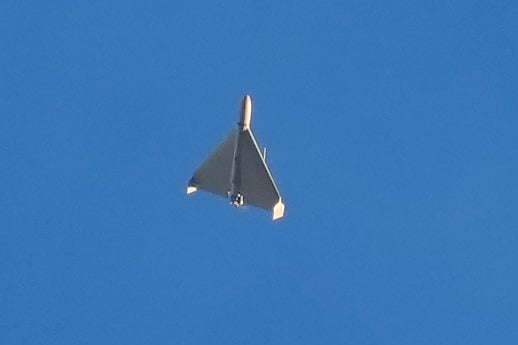
• 1,745 drones (mostly Shahed one-way attack UAVs)
Targets included
• Israel
• United Arab Emirates
• Qatar
• Kuwait
• Bahrain
• Saudi Arabia
• Oman
• U.S. military installations across the Gulf
On paper, that sounds enormous.
But war isn’t measured by what you launch. It’s measured by what actually gets through.
The air defence reality
The defensive shield over the region includes:
• Iron Dome
• Patriot Missile System
• THAAD
High rate of interception
Interception rates across the Gulf have been reported in the high 90% range per salvo.
Meaning the overwhelming majority of missiles and drones never reached their targets.
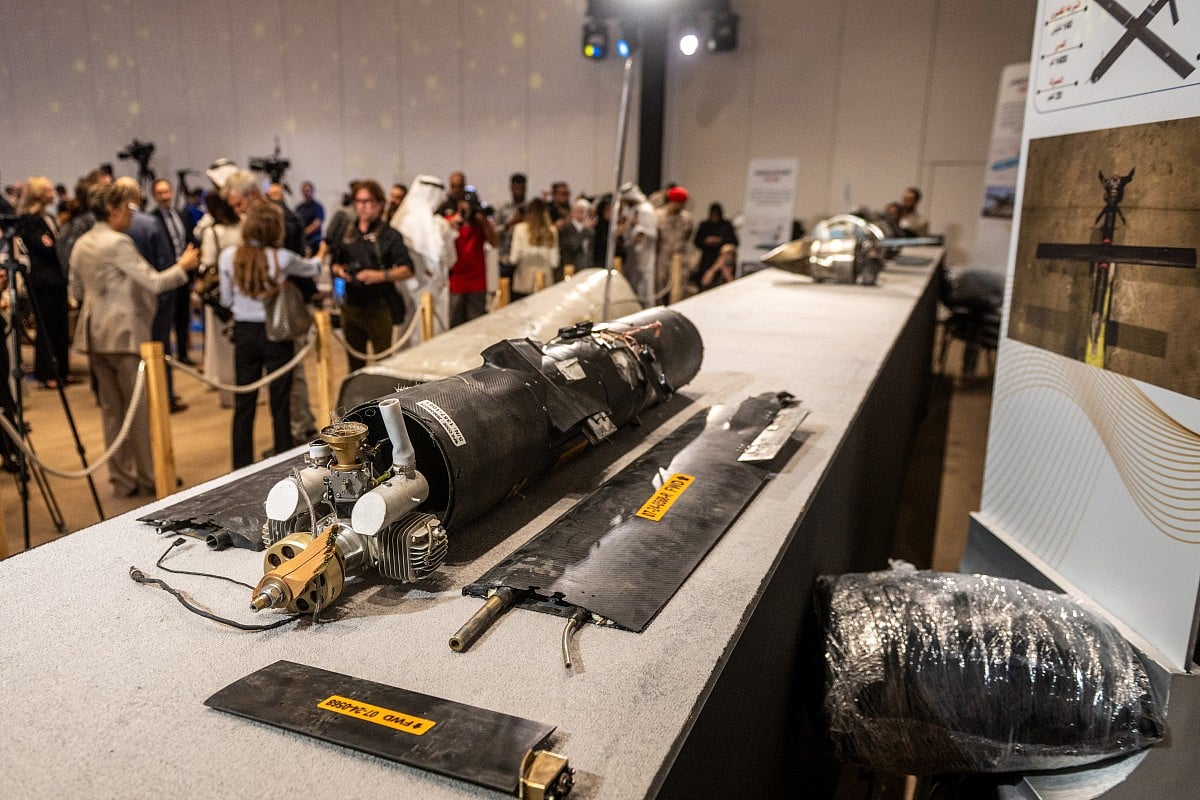
Example: As of March 4, the UAE has intercepted more than 1,000 Iranian missiles and drones, and it’s got enough ammo to keep going for a long time, as per spokesperson Maj. Gen. Abdel Nasseer Al Humaidi.
The UAE Ministry of Defence (MOD) gave local media a close-up look at some of the Iranian hardware that’s been shot down.
Collapse of Iran’s launch capacity
If one takes a closer look at the trend line, it’s what military attrition actually looks like:
Day 1 – Feb 28
• 350 ballistic missiles
• 10 cruise missiles
• 550 drones
Day 2 – Mar 1
• 175 ballistic missiles
• 8 cruise missiles
• 500 drones
Day 3 – Mar 2
• 120 ballistic missiles
• 5 cruise missiles
• 350 drones
Day 4 – Mar 3
• 50 ballistic missiles
• 2 cruise missiles
• 300 drones
Day 5 – Mar 4
• 40 ballistic missiles
• 0 cruise missiles
• 45 drones
Day 6 – Mar 5
• No confirmed major launches
That’s not escalation. That’s a collapse of capability.
How to the launch numbers dropped:
• ~86% reduction in missile attacks
• ~73% reduction in drone attacks
In less than five days.
Meanwhile, US War Secretary Pete Hegseth declared: “Four days in, we’ve only just begun.”
We have only just begun to fight. pic.twitter.com/HI2mifVy4W
— Secretary of War Pete Hegseth (@SecWar) March 4, 2026
Why Iran’s launches collapsed
Because the US–Israel strike campaign dismantled Iran’s launch network piece by piece.
Targets hit included:
• IRGC command centers
• Missile storage facilities
• Mobile launchers
• Radar systems
• Air-defense networks
As of March 4:
• 50–60% of Iran’s missile launchers destroyed
• ~55% of air-defense systems eliminated
• 1,700+ military targets struck
• 1,000+ IRGC personnel killed
When launchers and command structure disappear, the missile campaign disappears.
Where the missiles went
Many strikes weren’t even aimed primarily at Israel. A large share targeted US partner states in the Gulf.
Examples
UAE
• 189 ballistic missiles
• 8 cruise missiles
• 941 drones
Qatar
• 101 ballistic missiles
• 3 cruise missiles
• 39 drones
Kuwait
• 178 ballistic missiles intercepted
• 283 drones
Israel
• 200+ ballistic missiles
• 12+ drones
Again: Most were intercepted.
الدفاعات الجوية الإماراتية تتصدى بنجاح للصواريخ الباليستية والجوالة والمسيرات الإيرانية.
UAE Air Defences Successfully Intercept
Iranian Ballistic and Cruise Missiles and UAVs Attacks#وزارة_الدفاع #وزارة_الدفاع_الإماراتية#MOD#UAEMinistryOfDefence pic.twitter.com/Glfv3JoJ1I— وزارة الدفاع |MOD UAE (@modgovae) March 4, 2026
What this conflict actually shows
Several realities stand out.
#1. Iran’s missile arsenal is dangerous — but not decisive
Mass launches are meant to overwhelm defenses. They didn’t.
#2. Air-defence integration works
The network linking U.S. and allied systems across the Gulf proved capable of stopping large-scale saturation attacks.
#3. Precision strikes cripple launch infrastructure fast
Missile forces only work if:
• launchers survive
• command networks survive
• air defenses survive
Important note: Iran is losing all three.
#4. This is why US military firepower matters
Those bases across the Middle East exist for one reason: To stop regional threats from turning into global crises.
Where do we go from here?
In less than a week:
• Iran launched 2,500+ weapons
• Most were intercepted
• Launch capability fell over 80%
• Military infrastructure is being dismantled
That is NOT a stalemate. That’s overwhelming military superiority in action.
Given the above, it’s safe to conclude that Iran, and the world, won’t be the same again.