
Table of Contents
Dubai: When devastating floods swept through Nepal, one of the most urgent rescue missions unfolded underground at the Trishuli-3A hydropower project where workers were trapped underground.
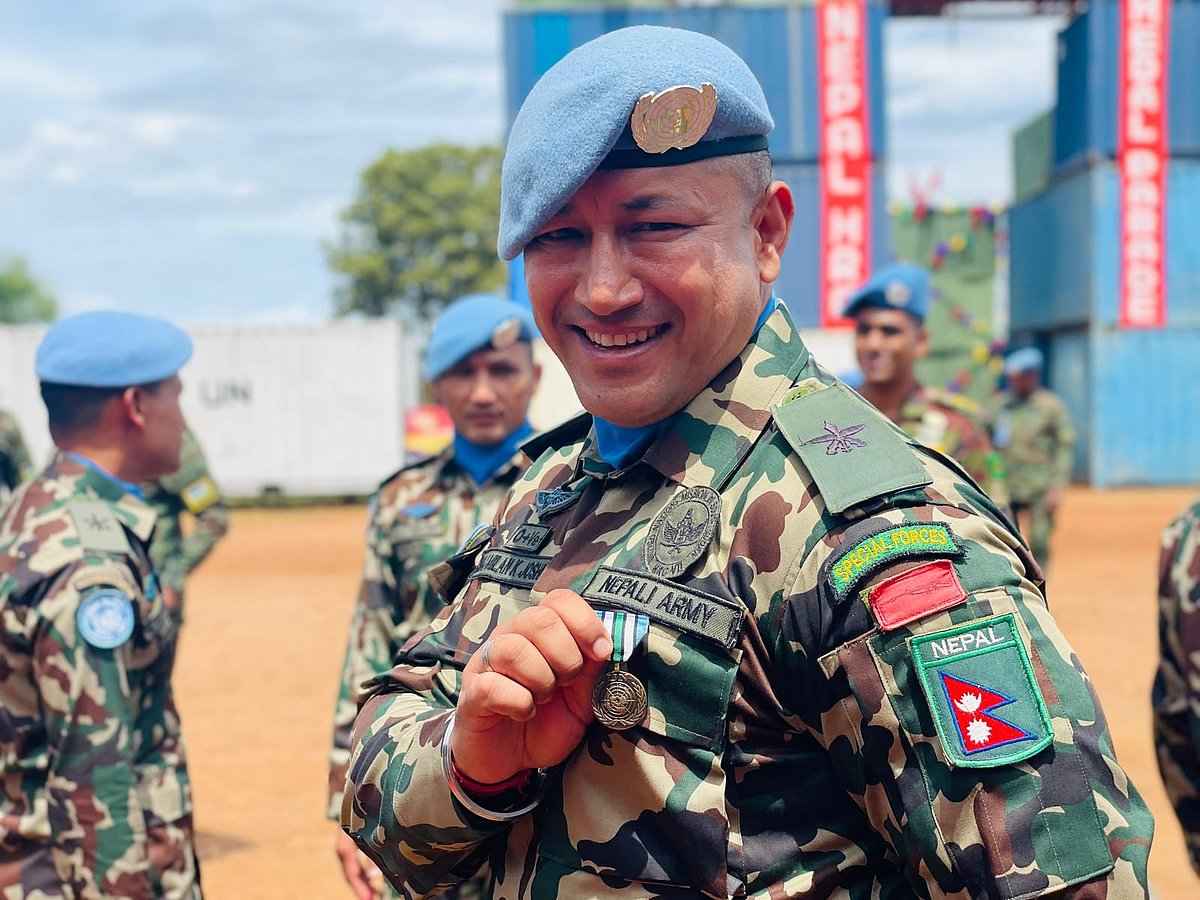
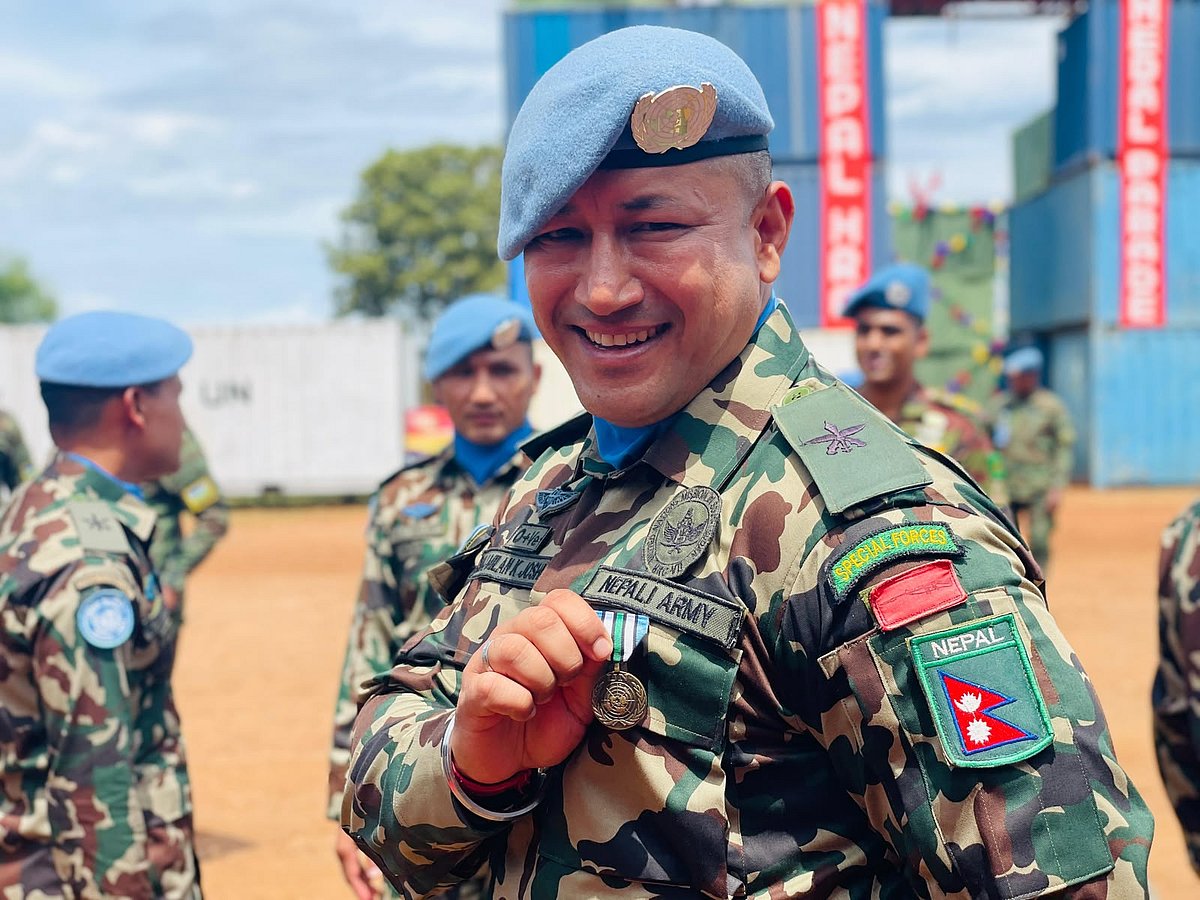
Leading the search and rescue operation was major Milan Kumar Joshi of the Yuddhabhairab Battalion or the special forces of the Nepal Army.
He has been responsible for coordinating the rescue team and finding the safest possible way to reach those trapped inside.

“The most difficult part was balancing two responsibilities, the urgency of saving people who might still be alive inside, and the safety of the rescuers themselves,” Joshi told Gulf News.
Get updated faster and for FREE: Download the Gulf News app now – simply click here.
Race against time underground
According to Joshi, the Nepal Army has received information from its higher headquarters about the situation in Nuwakot and Rasuwa districts, including reports that a large number of workers were trapped inside the underground structure of the Trishuli-3A project.
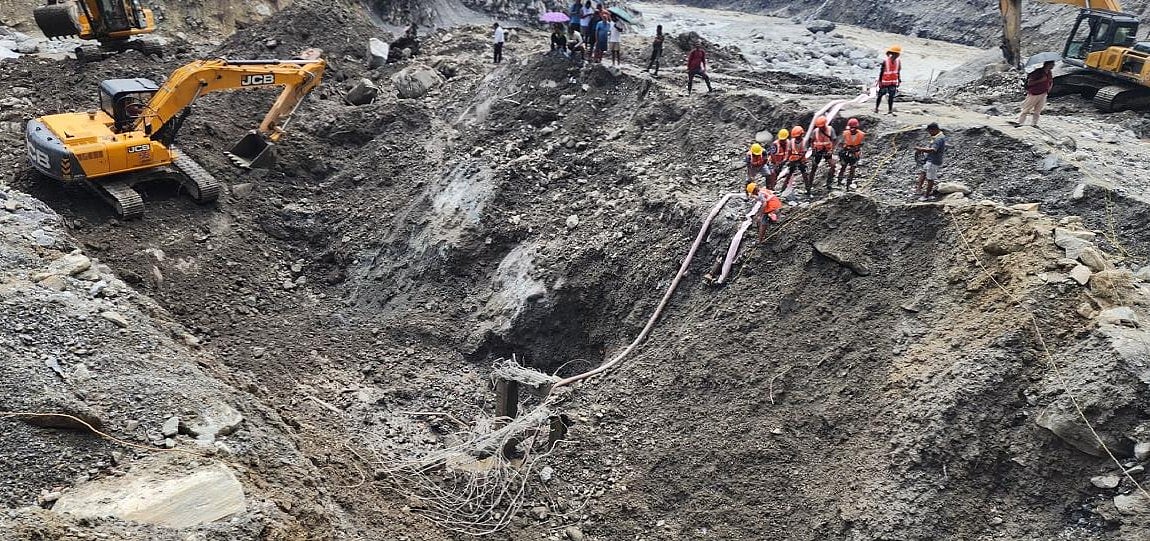
The situation has been extremely difficult. Floodwaters have carried huge quantities of mud, rocks, and debris into the area, severely restricting access to the tunnel.
“Our immediate priority was to assess the situation, establish access, and determine whether there were survivors inside,” recalled Joshi.
The rescue teams have begun working with government authorities, technical personnel, and other security forces to clear blocked areas and assess the safest route into the structure. Every step had to be carefully considered.
‘We could not simply enter’
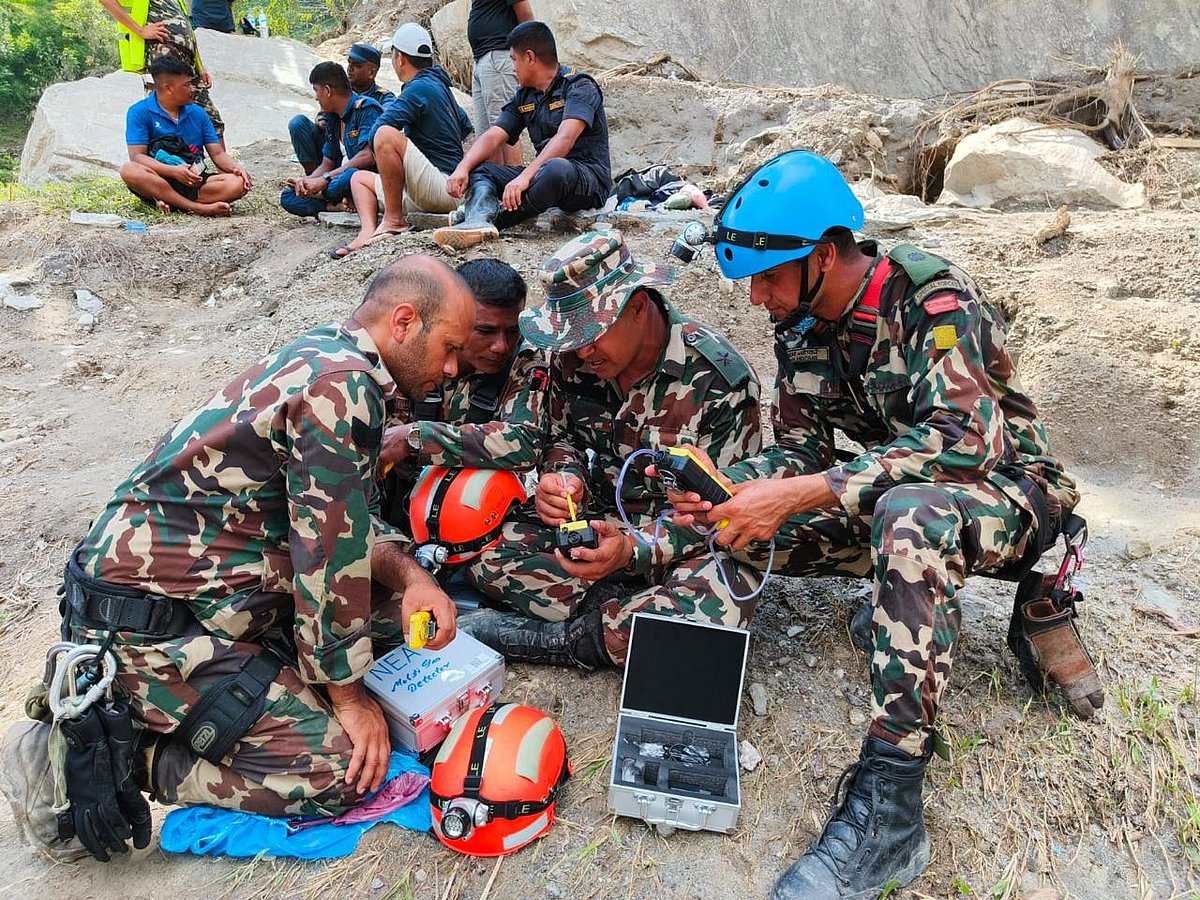
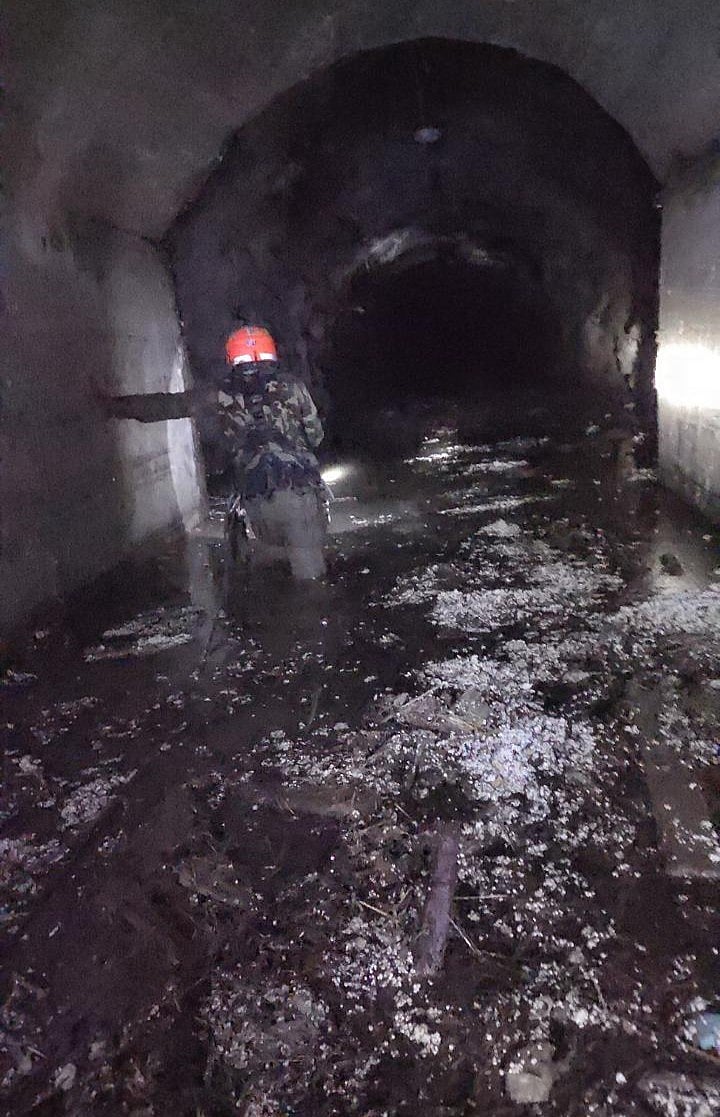
For the rescuers, the tunnel has presented dangers of its own. There have been a lot of obstructions to the access points, while conditions inside a damaged underground structure could change quickly.
“We had to proceed step by step. Our team worked together with technical experts to identify the safest possible access route. We cleared obstacles, assessed the condition of the tunnel, and advanced carefully. Communication and coordination among the team members were extremely important,” shared Joshi.
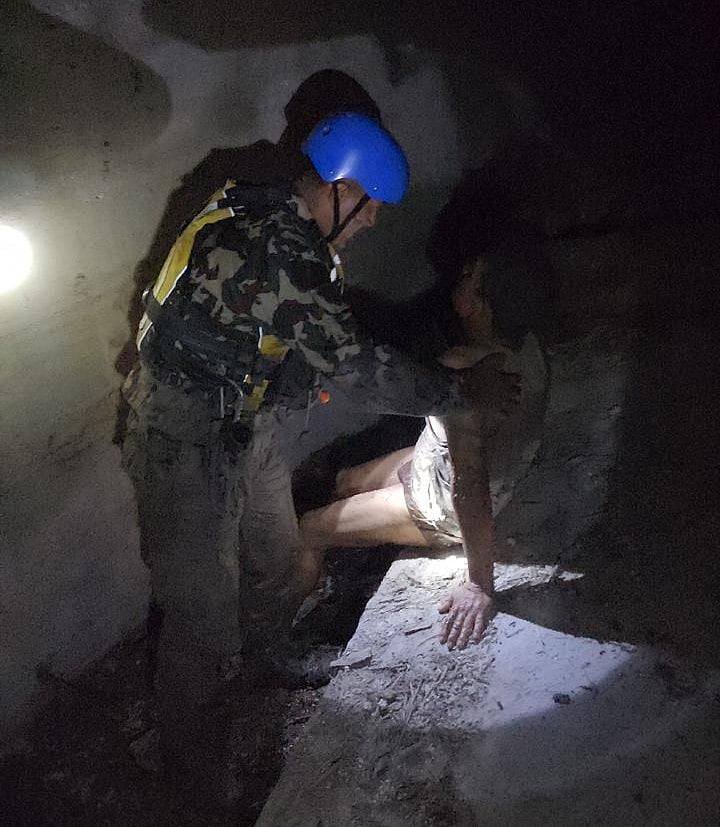
Once the route has been considered safe enough, rescuers entered the structure and continued searching until they located the trapped workers.
Joshi has stressed that the rescue was not the achievement of one person or one organisation. It has been a coordinated effort involving the Nepal Army, Armed Police Force, Nepal Electricity Authority personnel, engineers, and other support teams.
Rescue or risk
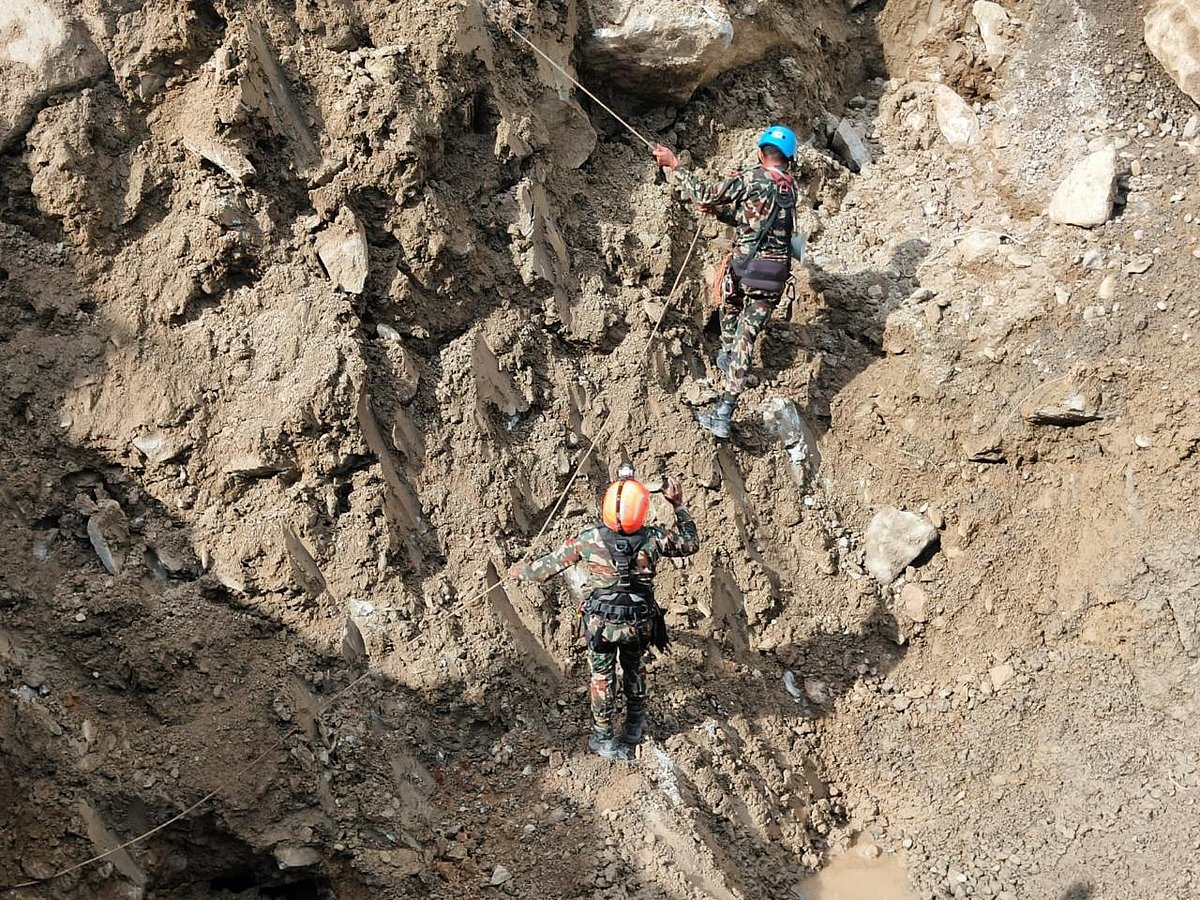
Joshi has noted that the most difficult part of the operation was balancing the urgency of saving lives with the safety of the rescuers.
“In a disaster environment, conditions can change very quickly, particularly inside a damaged tunnel. As a commander, I had to make sure that every step was based on the available information and the actual condition of the site,” described Joshi.
The team has maintained discipline, communicated clearly, and avoided unnecessary risks.
“I reminded the team that our objective was to rescue the people inside, but we also had to make sure that our own personnel returned safely.”
The possibility that someone could still be alive inside the tunnel has kept the rescuers focused.
Message to Nepali expats in the UAE
Meanwhile, Joshi has appealed to Nepali communities living in the UAE and elsewhere around the world to support flood-affected families through reliable channels.
He has bared that donations and assistance should be provided through verified government agencies, reputable humanitarian organisations, and established relief channels rather than unverified sources.
“Financial assistance, essential supplies, and support for affected families can all be valuable when properly coordinated. I would also appeal to everyone to understand that disaster response is a collective responsibility,” stated Joshi.
The Nepal Army, security forces, government agencies, local communities, volunteers, and international partners all have different roles to play.
International assistance can also strengthen Nepal’s disaster-response capabilities, particularly through specialised rescue equipment, technical expertise, logistics, and humanitarian relief.
Gratitude to the UAE
Joshi has expressed gratitude to the UAE and its organisations for their response to the disaster.
He has thanked the UAE leadership, Dubai Police Search and Rescue Team, Emirates Red Crescent, and UAE relief teams for their assistance to flood-hit communities in Nepal.
He has specifically acknowledged the role of advanced drone operations in helping locate missing people in Rasuwa, as well as humanitarian support including shelter, food, and relief distribution.
In addition, he has highlighted the UAE relief effort involving four aircraft carrying 186 tonnes of aid, along with locally procured assistance for flood victims.
“Your quick action, generosity, and brotherhood in Nepal’s flood disaster has given hope to thousands of families. This is true humanity,” said Joshi.
‘Every person matters’
For the rescue commander, the operation has been ultimately about the people waiting to be found and the families waiting for news.
Joshi has revealed that they have been able to rescue two people alive and found one dead body. An estimated 32 to 35 people have been trapped underground, some escaped while others remained missing.
“I would like to remember the families who lost their loved ones and those who are still waiting for information. For us as rescuers, every person matters. Our duty is to continue helping wherever we can,” exclaimed Joshi.
For Nepal’s rescuers, the experience has reinforced the importance of preparedness, teamwork, and international cooperation when disasters strike.
And for Nepalis living far from home, including the large community in the UAE, Joshi’s message is that support, when channelled through trusted organisations and coordinated effectively, can offer both help and hope to families facing the aftermath of a disaster.