
Table of Contents
Dubai: For families raising children with autism, everyday activities require planning, from visiting a doctor or restaurant to navigating an airport or simply spending time in a busy public space.
Parents of people of determination (POD) in the UAE have shared with Gulf News that support comes in different forms. They have highlighted the accessible facilities, priority services, healthcare and transport benefits, therapy, support groups, and growing public awareness in the Emirates.
They have stressed that inclusion is about something less tangible, being treated with patience, dignity, and understanding.

Get updated faster and for FREE: Download the Gulf News app now – simply click here.
From avoiding outings to exploring Dubai
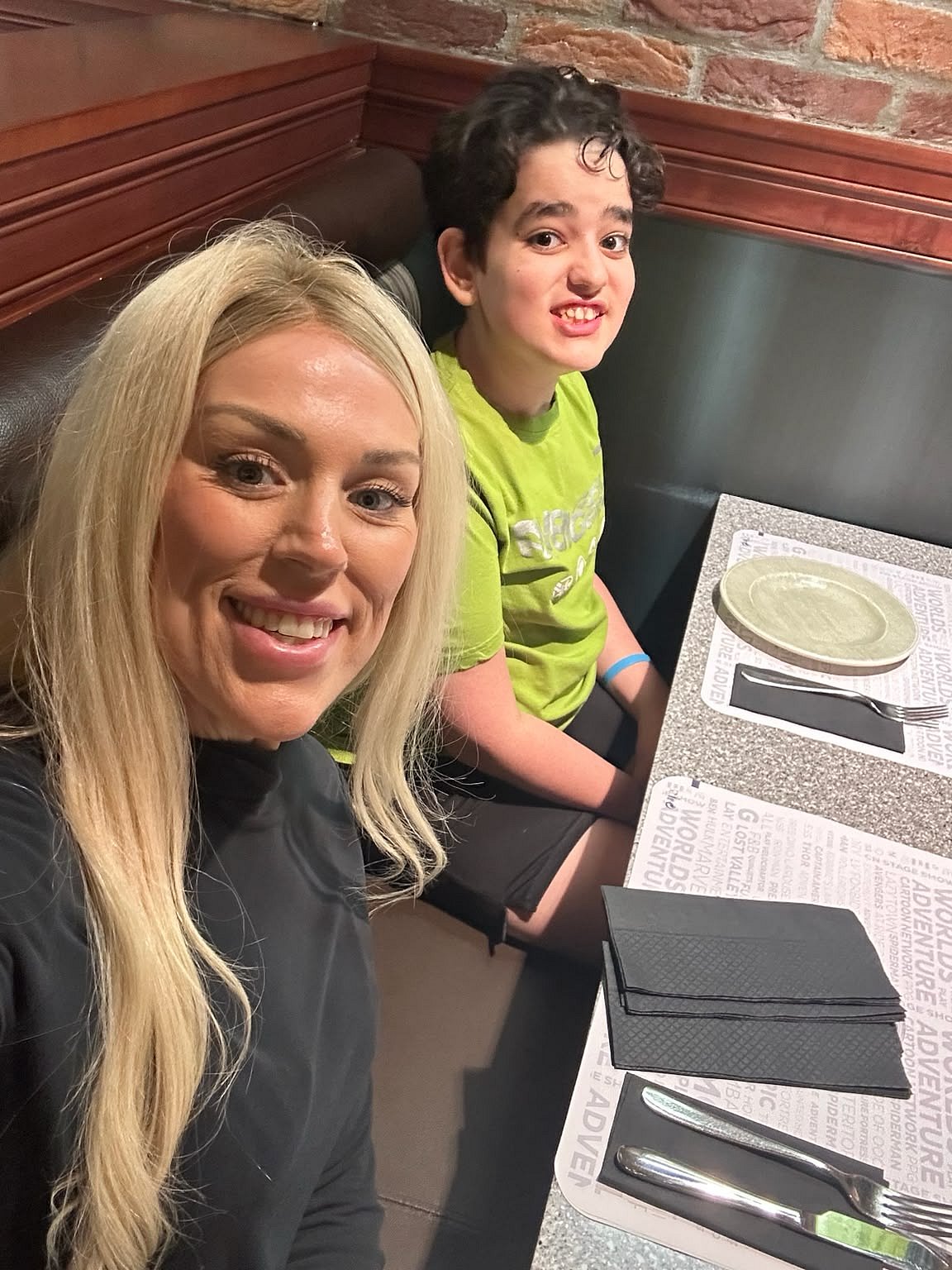
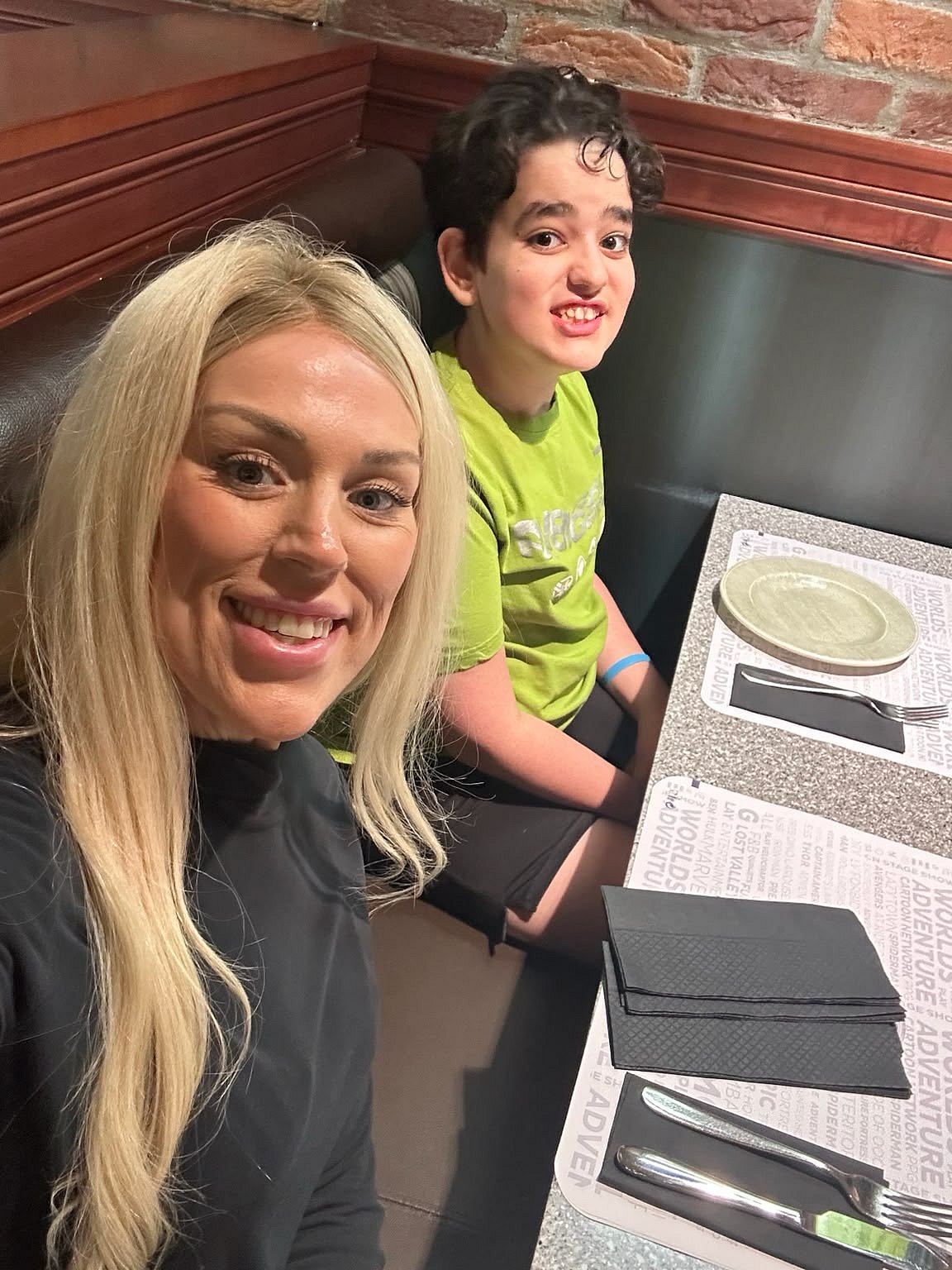
When Amanda Al Janahi first moved to Dubai with her 12-year-old son Ramy, who has autism spectrum disorder, leaving home has been difficult.
Ramy has relied on his “comfort items” including his iPad, charger, adapter, blanket, and a painting from his grandmother in the US. One of their first outings was for an assessment.
“He screamed the entire way there and I remember walking in with all of his things, completely overwhelmed. Thankfully, the staff understood. They were welcoming and supportive from the moment we walked through the door,” recalled Amanda.
After therapy, she has begun seeing changes.
“Within about a month, we could take walks around our neighbourhood without bringing all of his things.”
Ramy eventually became more comfortable in restaurants and hospitals, and has started looking forward to new adventures. For Amanda, the progress has meant that her son’s world can continue to expand.
“When you have a child with autism, sometimes staying home is easier because that’s where they’re comfortable, but we don’t want his world to become smaller.”
Support that helps families get out
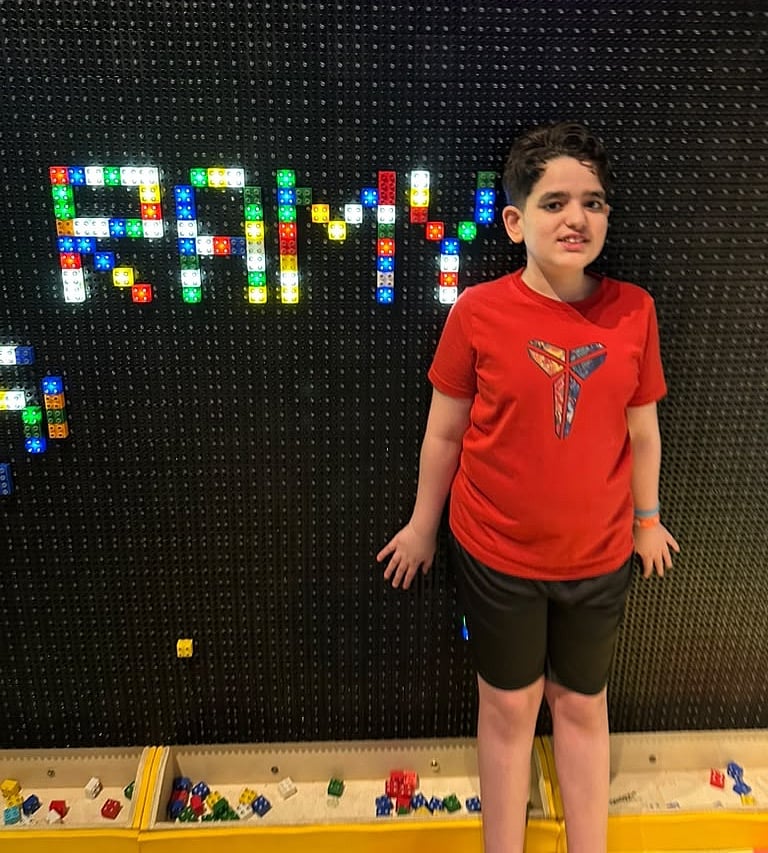
Parents say practical benefits can make a difference. Amanda has described the POD card and Fazaa benefits as “amazing” for her family, helping with expenses linked to transport and attractions.
“Benefits with things like Salik, Metro, and entry to attractions really add up. For us, it’s about more than saving money. It’s important that we keep getting Ramy out into the community, trying new things, and exploring,” Amanda told Gulf News.
Rizalina Espina, whose 16-year-old daughter Jia has autism spectrum disorder and intellectual disability, has noted that accessibility means more than ramps and parking spaces.
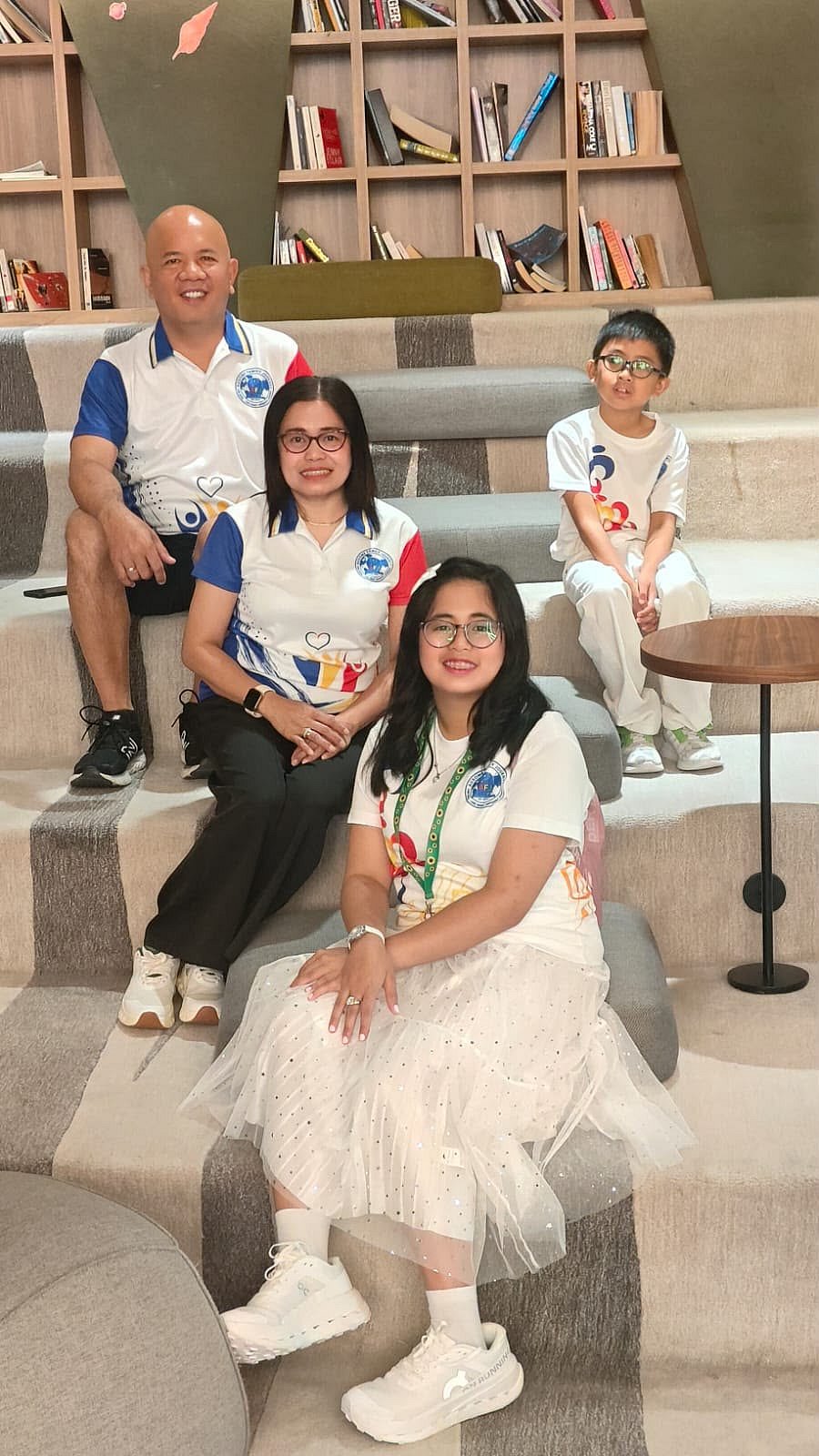
“For our family, accessibility is not simply about ramps, elevators, or designated parking spaces. It is about having the freedom to participate in everyday life with dignity, confidence, and a sense of belonging.”
Based in Abu Dhabi, she has mentioned benefits such as accessible parking, elevators, priority services, healthcare and transport support, as well as assistance at airports when her children wear a sunflower lanyard.
Making hidden disabilities visible
For families of children with autism, the sunflower lanyard can help communicate that a child may need additional patience or assistance.
Baby Aurora Binoy, mother of 11-year-old daughter Hannah who has autism spectrum disorder, has bared that the lanyard and POD card have given her family greater reassurance in public spaces.
“When Hannah experiences sensory overload or has a meltdown, we feel more confident knowing that there are people and systems around us that recognise her needs rather than judging her behaviour,” exclaimed Baby.
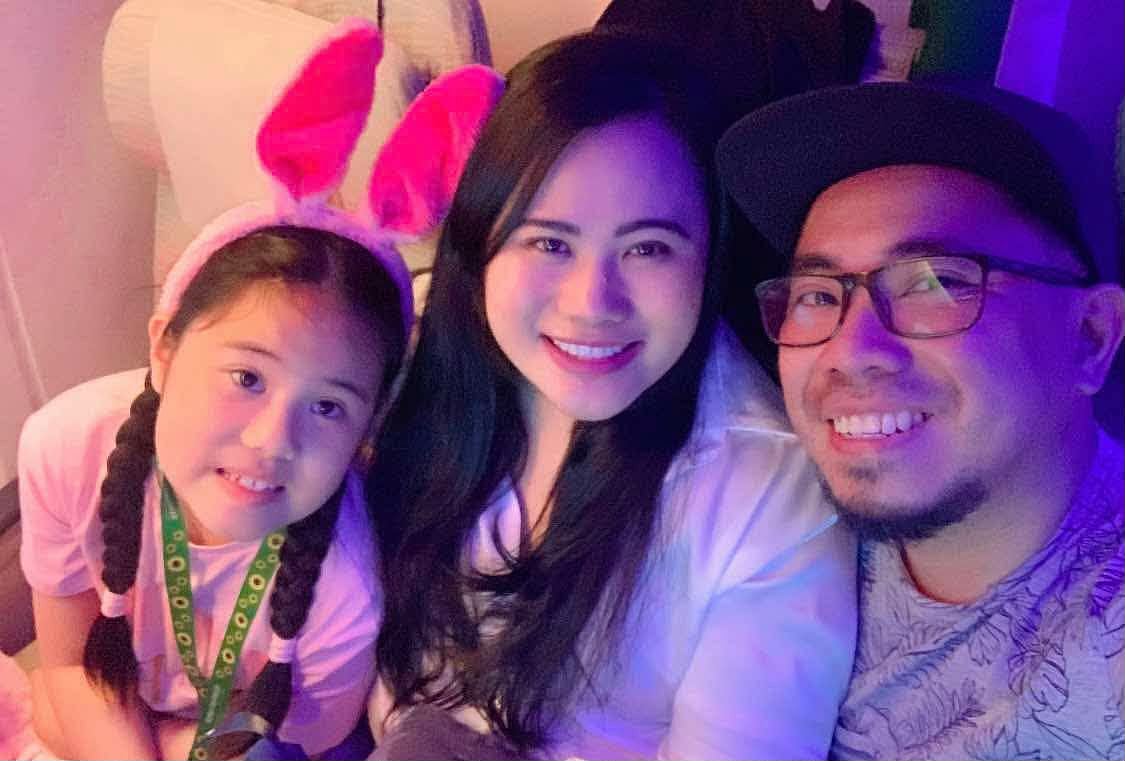
Similarly, Laica Hamilton, mother of seven-year-old Justin who also has autism, has shared that the lanyard reduces the need to repeatedly explain her son’s needs.
“It helps communicate that my son may need additional understanding, patience, or support, even though his disability may not be immediately visible.”
Parents helping parents
Support from other families has also become important. Amanda has pointed out that some of her strongest support came from parents she met through therapy.
“When you’re around people who have the same fears and challenges, it’s nice to know someone understands how you’re feeling,” described Amanda.
Laica has found a familiar kind of support through Ausome Family Journey, a POD global support group. After Justin’s diagnosis, she has spent hours searching online for information and often felt overwhelmed. The group has helped her understand autism and navigate public spaces, transport, and services.
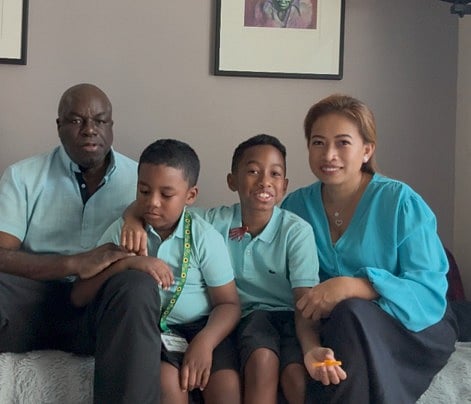
“What means the most to me is that they never made us feel alone. They have become our extended family,” stated Laica.
Rizalina has also joined the community, describing families as having different journeys but a shared goal of creating positivity.
Inclusion means dignity
Pamela Amor Calinog, whose 16-year-old son Daniel has autism spectrum disorder and intellectual disability, helps other parents understand the POD card process and available benefits through her support group.
She has emphasised that requirements can vary depending on the emirate or authority, making direct and updated information important for families. She believes inclusion goes beyond services.
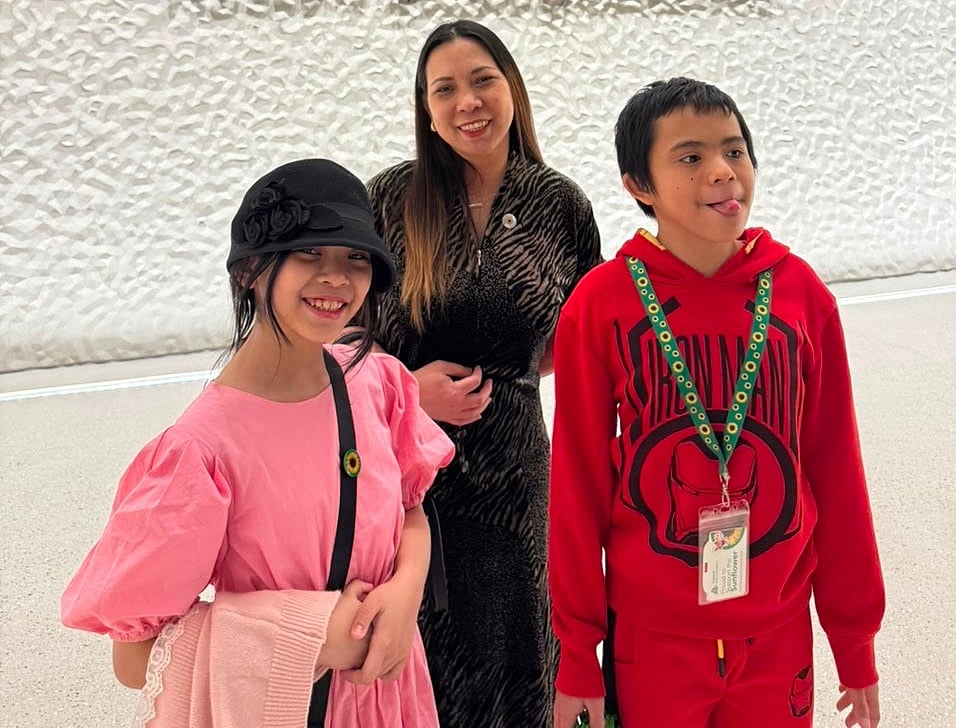
“Beyond the facilities, services, and benefits, there is something much deeper that I feel the UAE has given our children, dignity,” stated Pamela.
For her, inclusion has meant being able to visit a park, museum or hotel, attend an event, and experience everyday life without being judged.
“For our children, dignity means being seen beyond their diagnosis or limitations. It means being treated with patience, kindness, and respect.”
Growing sense of acceptance
According to the parents, they have noticed greater awareness of PODs in the UAE. Amanda has underscored that during her family’s two years in the country, she has increasingly noticed staff speaking directly to Ramy rather than automatically addressing her.
On the other hand, Laica pointed to greater support in schools and community activities, while Hannah’s family have experienced understanding across clinics, hotels, airports, malls, and taxis.
For these families, inclusion has been more than access. It is being able to explore, learn, travel, eat out, and participate in community life, while knowing that their children are seen, respected, and given the opportunity to belong.