
Table of Contents
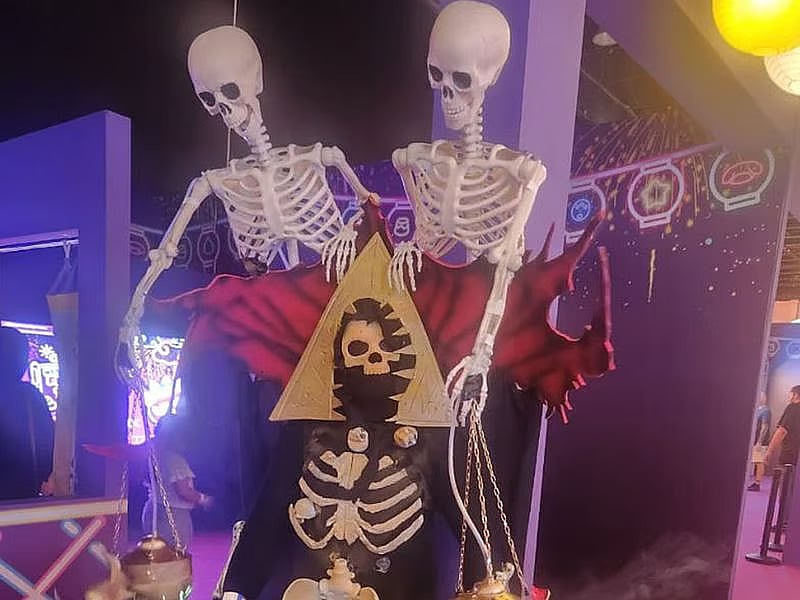
A few years ago at the Animenia festival, Abu Dhabi, we met Myrkul, The Lord of Bones.
Obviously, that wasn’t his real name (as mysterious as it sounded); he was an Emirati cosplayer by the name Zubair Abdul Rahman. And he was extremely pleased to be the centre of attention at the festival, for good reason. We never saw his face; we just saw Myrkul, the deity from Baldur’s Gate 3, gliding around in black, with skeletons looming from his shoulders, while holding a staff and a lantern that emitted smoke. He explained to us:
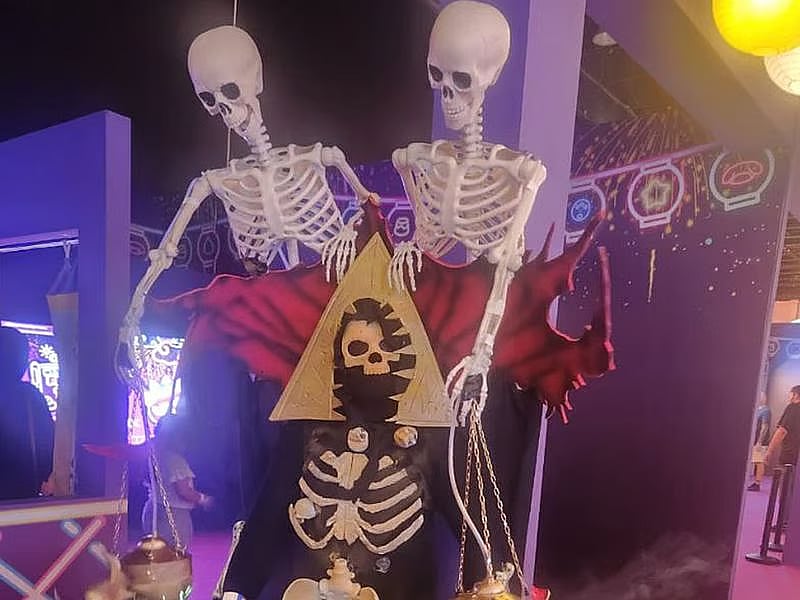
He had been a cosplayer in the UAE for about seven years. He had spent two months working on the staff. “I started with a frame, plastic skeletons, and used my engineering knowledge to put it together. I even added the smoke effect to make it more realistic,” he had said waving a staff adorned by skeletons, while the lantern gleamed green and released smoke. Explaining that he cosplays quite often, he says, while giving a child a high-five with his gloved and skulled hand, “I just love being an actor and entertaining people, too.”

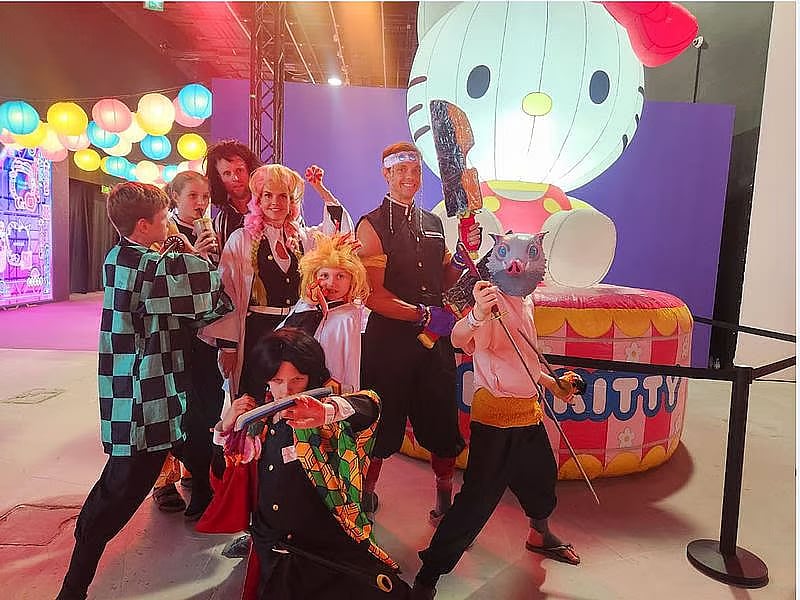
Nearby in the hall, colourful cosplayers milled about, among them Tengen Uzui, a character from the anime Demon Slayer.
Dressed in a black buttoned shirt, tucked-in pants and bandanas around his arm and head to resemble the character’s ‘golden rings,’ the cosplayer showed off weapons made entirely from cardboard. He HAD been into anime since he was a child, he said, and the interest had only grown with him. “Tengzen Uzui is all about being flashy, and I wanted to look cool and flash as well,” he explained.
That was Animenia. Now, with the Middle East Film & Comic Con (MEFCC) Abu Dhabi approaching, promising more colours, characters and hours where people can forget their daily lives and walk around as their favourite characters, we caught up with some of the community’s most dedicated builders, performers and families to find out what draws them in, and what keeps them coming back.
Middle East Film & Comic Con (MEFCC) Abu Dhabi
Fan and competitor
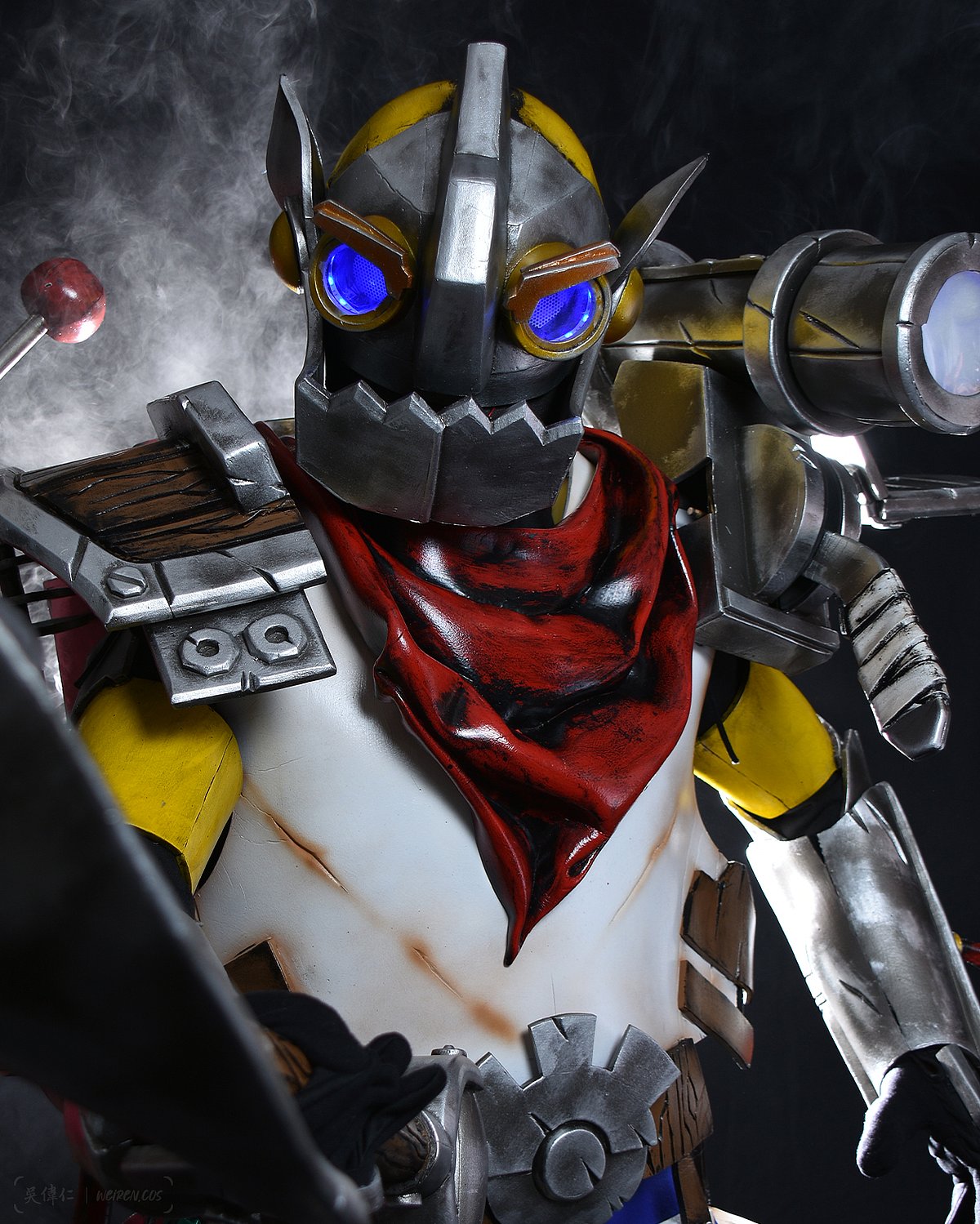
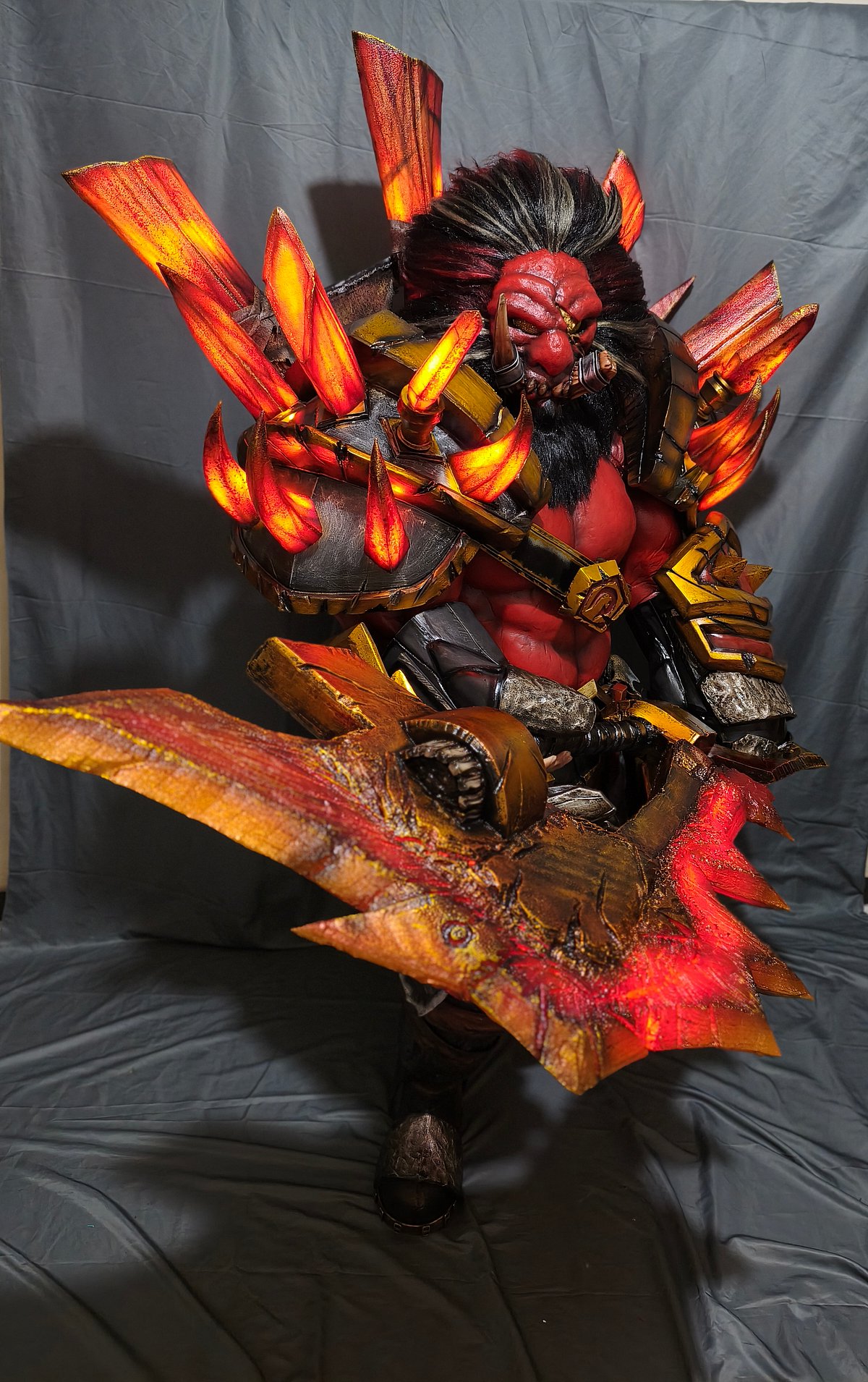
For some in the community, cosplay has grown from a weekend hobby into a genuine craft discipline. Wilbert Arthur, also known as Weiren, got serious about competitive cosplay relatively late, but has since made it central to how he creates.
As he explains, “At first, cosplay was simply about becoming the game characters I loved and having fun with friends. Eventually, I became more interested in the process behind the costume, how the armor was made, how props worked, how you could use lighting and effects, and how you could bring the character to life on stage.”
Competition, once he found it in 2023, reframed the hobby entirely. “It became another challenge for me. I didn’t just want to wear the character; I wanted to see how far I could push my skills. Every competition gave me a reason to learn something new, whether it was foamsmithing, 3D printing, sewing, electronics, painting, or stage performance. That constant learning is probably what made competitive cosplay so addictive for me.”
A scene that’s come into its own
Wilbert has watched the UAE’s cosplay scene mature alongside events like Comic Con. “The UAE cosplay scene has grown a lot,” he says. “When you look at events like Comic Con, cosplay isn’t just a small side activity anymore. It has become one of the things people genuinely look forward to.”
What stands out most to him is the range on display. There are beginners joining their first competition alongside people who have been crafting and competing for years. You also see more ambitious costumes, bigger props, electronics, mechanical elements, detailed sewing and much stronger stage performances, as he says.
And the events themselves do more than showcase costumes. “Events like Comic Con also give cosplayers a platform. It’s not only about competing… it gives us a place to meet other creators, exchange knowledge, take photos, make friends and inspire people who might be thinking about trying cosplay themselves. That community aspect is just as important as the competition.”
What actually goes into a competition build
The polish on stage hides hundreds of hours of work. “A lot more than the few minutes people eventually see on stage!” Wilbert notes. “For me, it usually starts with choosing a character or design that I genuinely like but that also gives me an opportunity to challenge myself. I look at the silhouette, armor, fabrics, props, details and what I can potentially do with the character on stage.”
Then comes the planning stage. He collects references, breaks the costume into individual parts, decide which material and techniques work best, and figure out how everything attaches to him, and can survival transport.
The build itself is rarely smooth. As he explains, the crafting itself can take hundreds of hours. Depending on the costume, I might be working with EVA foam, 3D printing, sewing, painting, electronics, LEDs and different fabrication techniques. And things rarely work perfectly the first time, so there’s always testing, failing, fixing and rebuilding,” he says.
Even a finished costume isn’t the finish line. Once the costume is nearly finished, he starts thinking seriously about the performance. You can have an incredible costume, but competitive cosplay is also about presenting it properly, as he says. “I think about the music, movements, poses, timing and which parts of the costume I want the audience and judges to notice.”
And then, inevitably: “The traditional final stage of every cosplay build… ‘promising yourself you won’t con crunch… and you con crunching anyway’ .”Most cosplay partnerships start with friends.
What judges are generally looking for
Generally judges examine things like craftsmanship, accuracy, creativity, difficulty, finishing, attention to detail and stage performance, Wilbert explains, though bigger doesn’t automatically mean better, and “being able to explain your work during prejudging is also very important.”
On stage, it comes down to transformation: “You want the audience to stop seeing someone wearing a costume and, even just for a minute or two, feel like they’re actually watching that character.” Still, he adds, “Judging is subjective… don’t let one competition result define the quality of their work.”
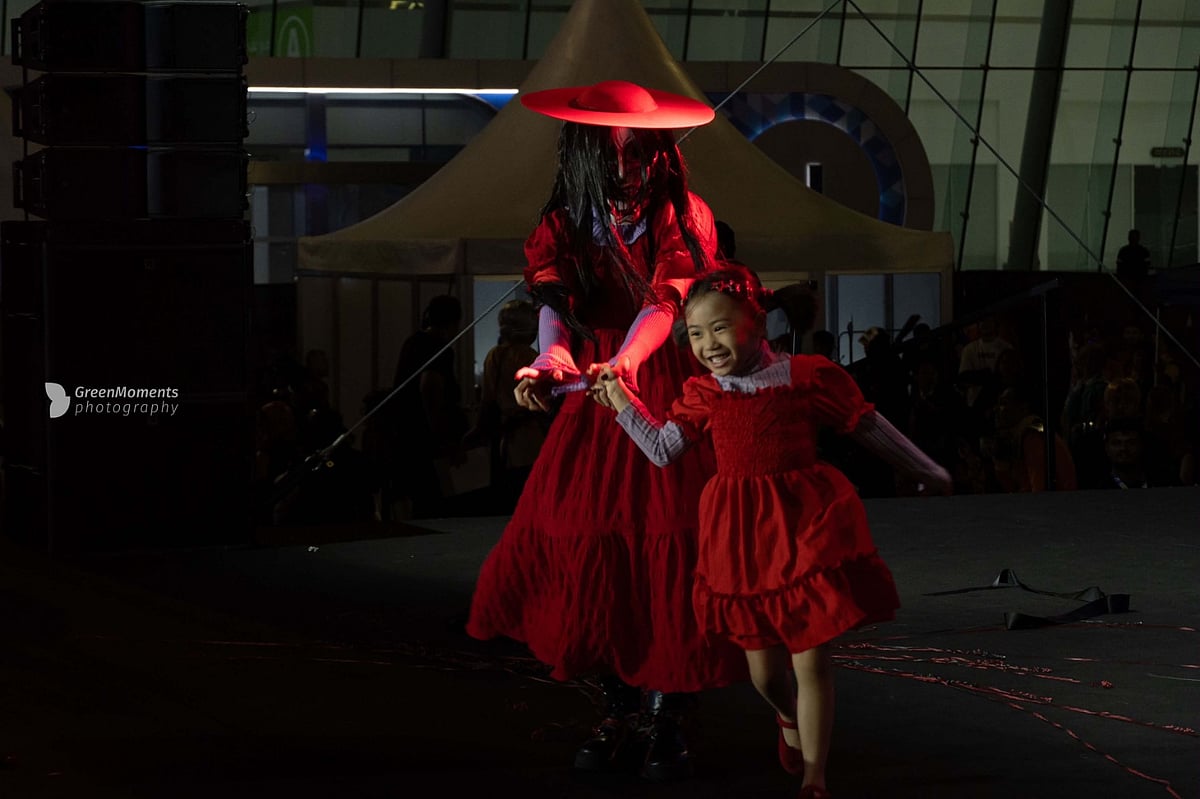
Well, that’s for those who wish to compete. Not everyone comes to cosplay chasing a trophy, though. For one duo at MEFCC this year, the character work is inseparable from family life.
A mother-daughter duo
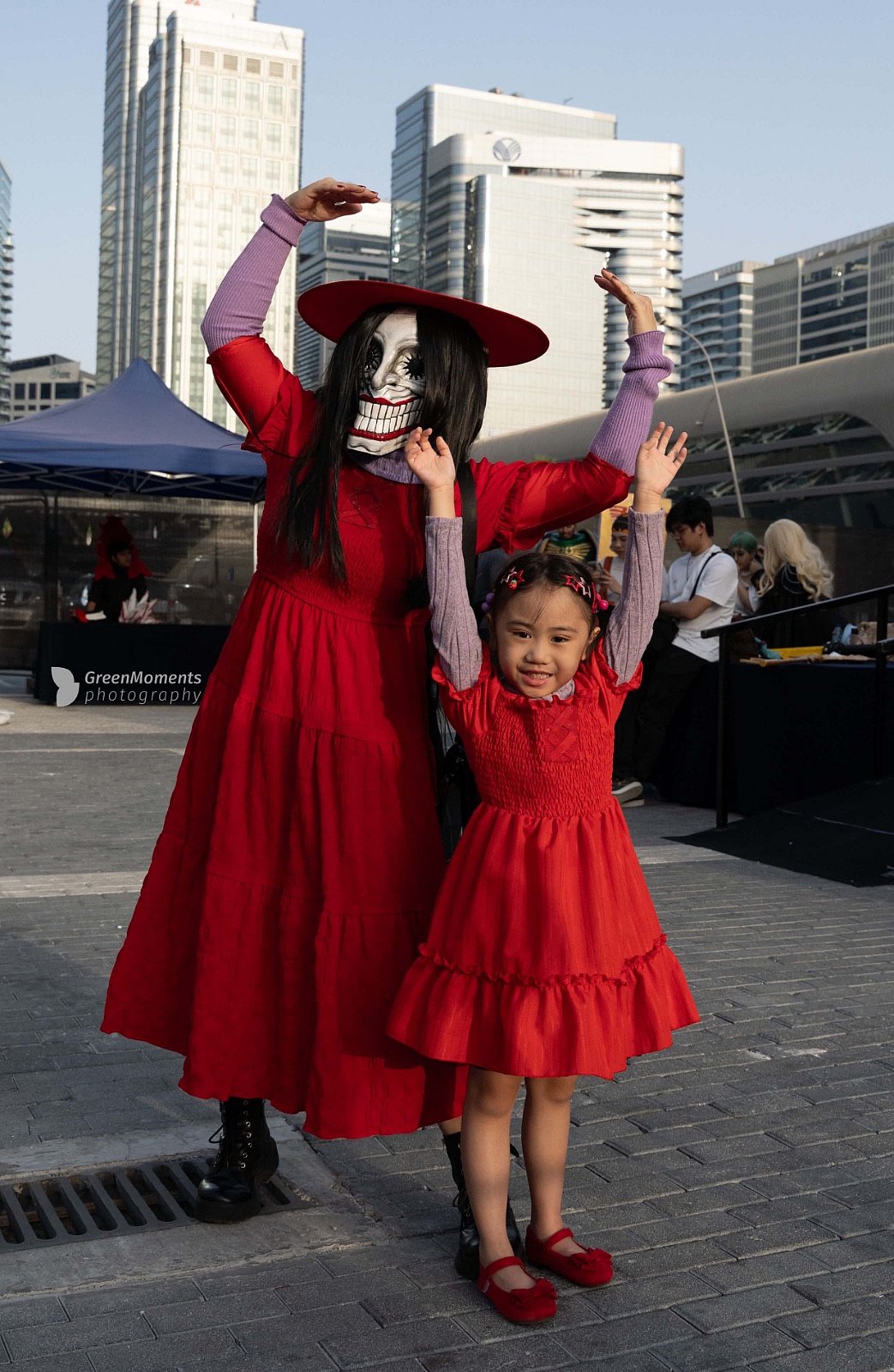
Most cosplay partnerships start with friends. Kat Ausan’s started with a seven-year-old who likes arts and crafts.
The Filipino cosplayer and her daughter, Yuna Kairi Ausan, will be at MEFCC Abu Dhabi this weekend in costume as a pair, something Kat says she rarely sees anyone else doing.
Her own route into the hobby goes back fourteen years, to the very first MEFCC, held in Dubai in 2012. “I’ve been a fan of anime and movies since my high school years,” she says. “I enjoyed portraying my favourite anime characters for fun back then, but mostly through closet cosplay only.”
Her interest shifted from casual to committed around 2018, and the reason was other people. “The Filipino cosplay community, in particular, had grown tremendously, and being part of such a welcoming and passionate community encouraged me to become even more involved.”
The hard part isn’t the sewing
For Kat, the real challenge of duo cosplay is finding the right characters in the first place. “I always try to choose mom-and-daughter characters. I don’t see too many people doing mother-and-daughter cosplays, so I really enjoy looking for characters that we can portray together.”
Budget narrows the options further. “Coming up with costume ideas that work well for both mom and daughter, and hopefully inspire others too, can be a little challenging,” she explains. “Cosplay isn’t the cheapest hobby either, so I always try to find ways to keep the costs as low as possible.” Her day job as a graphic designer helps stretch things, she puts those skills into different parts of the costumes.
As for process, Kat is candid about how it actually comes together. “I’m usually a last-minute costume maker,” she says. “I tend to wing it, put everything together really quickly, and somehow make it to the event on time. You know how busy mom life can get!” Yuna helps where she can — Kat still handles most of the construction given her daughter’s age, but describes her as very creative and someone who genuinely enjoys the props and the crafting side.
A core memory made together
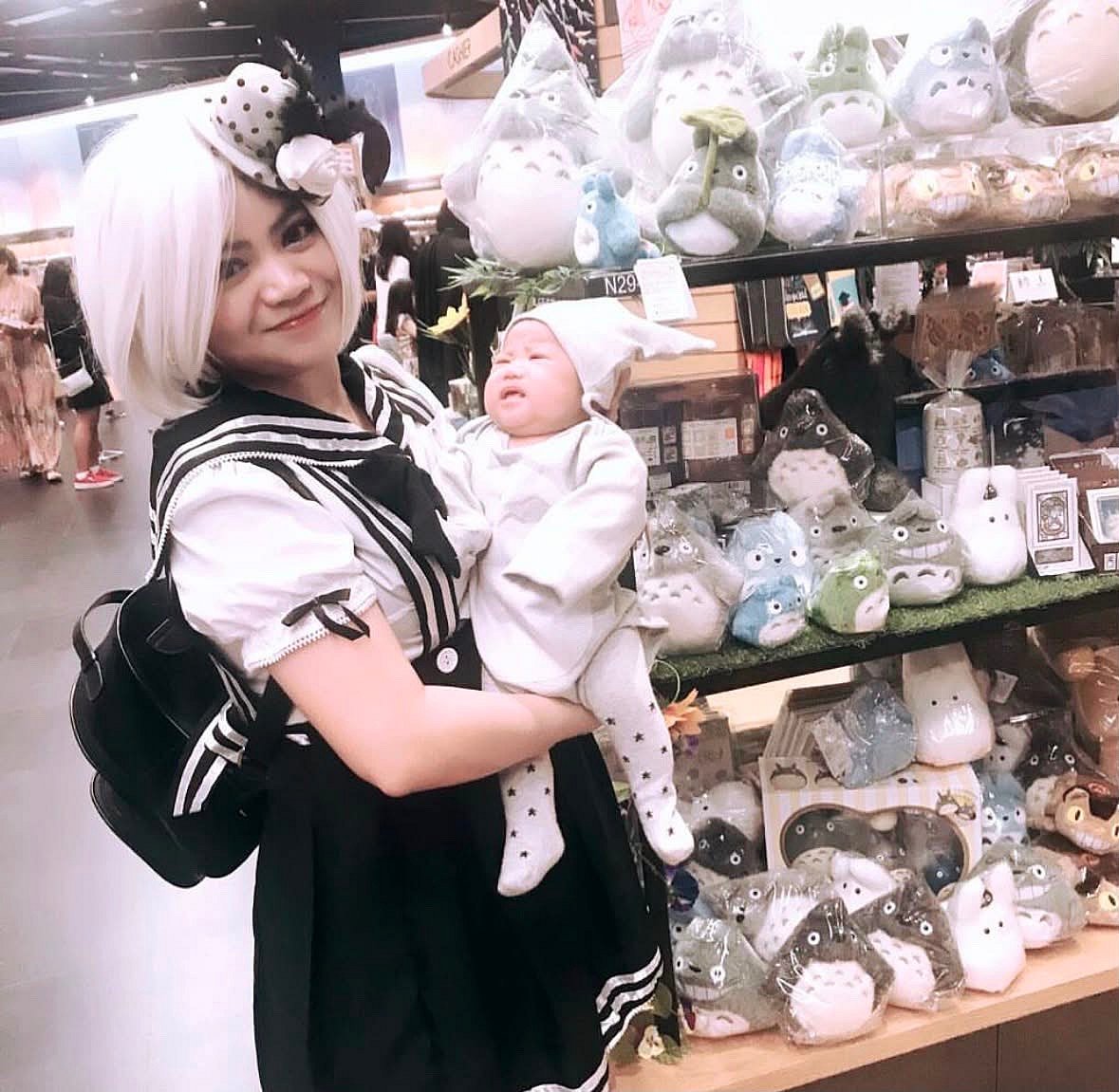
The pair performed together at MEFCC last year in the Kids Category, an opportunity Kat credits to the convention’s Ayman. “It was such a fun and unforgettable experience for both of us, and definitely one of our core memories,” she says. “Being able to share the stage with her and experience that moment together made it even more special for me as a mom.”
She keeps it all in perspective. “Cosplay is really just a fun side hobby for me, so I try not to put too much pressure on myself and simply enjoy the creative process.” Schedules permitting, the two are hoping to make all three days at ADNEC. “My daughter and I will definitely be there on Saturday and Sunday.”

Cosplay as identity: Bibi Zumot
For Bibi Zumot, cosplay is a form of self-expression. It’s an art, where he can dress up as the characters from the fandom he loves. “I am able to portray myself as that character which I see representing me or bringing me nostalgia from my childhood.”
His journey started early and close to home, and his first unofficial cosplay ever was Thing 1 and Thing 2 done with his partner at that time for Halloween.” As he got more involved in Dubai’s pop culture scene, she and a partner cosplayed as Mario and Luigi — “Very iconic,” he notes, “as it was not done as much before.” Over the years he kept pushing for the unexpected: “Flinstones, Superman, Kirito, Homer Simpson and many many others.”
Couple and duo cosplay has become a throughline in his creative life, first with friends and now with his current partner. “We come up with very innovative ideas and we have done cute cosplays include Fred and Daphne and The Adams Family.”
His message to anyone on the fence is simple. “I highly encourage anyone to get into cosplay and really give it a shot. I have seen a lot of people rejecting the idea but as soon as they start their first cosplay it just snowballs from there and they start cosplaying regularly. It’s just fun to be able to have that skill and it also teaches you a lot in the process.”
He closes with gratitude for the scene that made it possible. “I just want to give a huge shoutout to the UAE and every organisation that really supports this community and builds events for us to be able to get into cosplay and be able to feel safe in our own world.”
Advice for anyone thinking about starting
So who’s up to cosplay this Comic-Con?
Well, go for it, regardless.
The biggest barrier to entry, Wilbert says, is usually in people’s heads. “Probably that you need to be extremely talented, have expensive equipment, or look exactly like the character before you can cosplay. You don’t,” he says of the common misconception. As he says, you don’t need a 3D printer, expensive tools or years of crafting costumes. The best ones are made from basic materials, with a lot of creativity. “
“Your first costume probably won’t be perfect and it shouldn’t have to be,” he says.
For him, the craftsmanship is only one entry point among many. For some people it’s crafting, for others it’s performance, photography, makeup, sewing or just enjoying a character with friends. There isn’t one correct way to be a cosplayer.
His parting advice: “Pick a character you genuinely love and just try. Learn one skill at a time. Make mistakes. Ask other cosplayers questions. Most importantly, don’t compare your chapter one to somebody else’s chapter ten.”
Reflecting on his own late start, he adds, “I started later than many cosplayers I meet today, and there are always moments when I wonder what I could have achieved if I had started earlier. But that’s also why I would tell anyone interested in cosplay ‘don’t wait until you think you’re ready. Start now! You’ll learn along the way.'”