
Table of Contents
Dubai: Artificial intelligence (AI) is changing the skills students need across almost every field, but educators say the answer is not just about learning how to use the latest AI tools.
Students also need to know how to question AI-generated information, verify results, use the technology ethically, and continue developing skills that machines cannot replace easily, including critical thinking, curiosity, and communication.
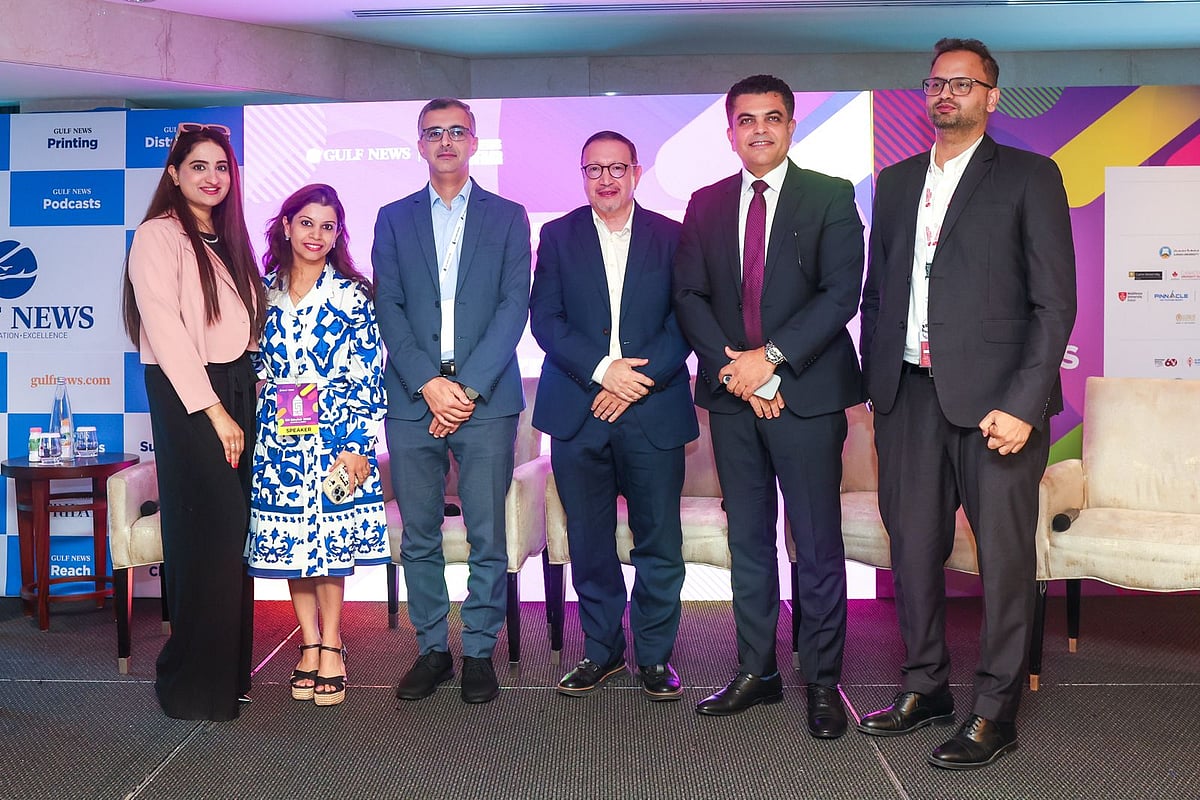
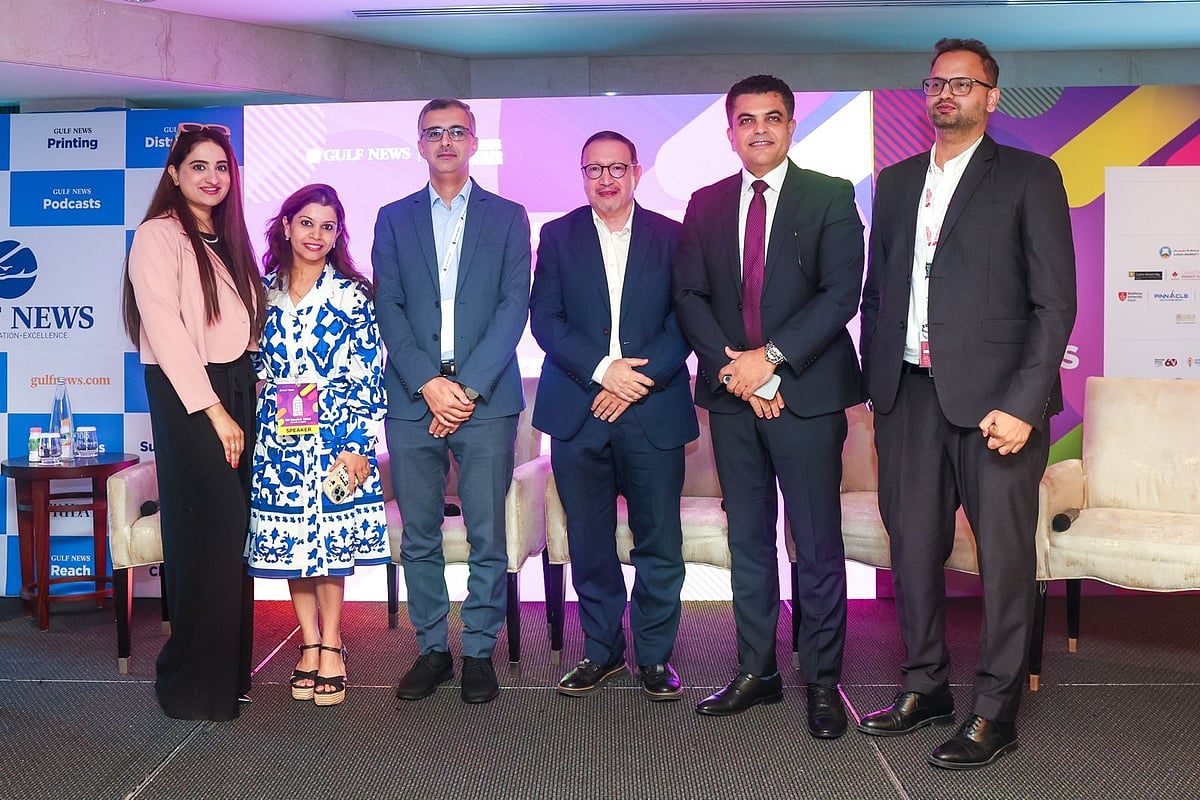
That has been the central message from a panel discussion titled “AI is changing every degree: What should students learn now?” on the second day of the Gulf News Edufair, held at the Shangri-La Hotel Dubai.

Get updated faster and for FREE: Download the Gulf News app now – simply click here.
AI is becoming part of every degree
Vigisha Gopalakrishnan, associate professor at De Montfort University Dubai, has noted that students need to adapt to the latest trends and technologies in the market while learning how to use them ethically.
“Whichever programme students decide to take, we ensure we help them on how to use AI,” shared Gopalakrishna.
AI can have practical applications across disciplines. In design, for example, Gopalakrishnan has bared that it can help students understand concepts and enhance visuals. But students should see AI as a tool rather than an authority.
“We always need to emphasise the fact that you need to learn to use AI as a tool. AI will not always give you the right thing.”
Gopalakrishnan has encouraged students to learn how to communicate effectively with AI, ask questions, and understand how to guide it appropriately.

Understanding AI means understanding its limits
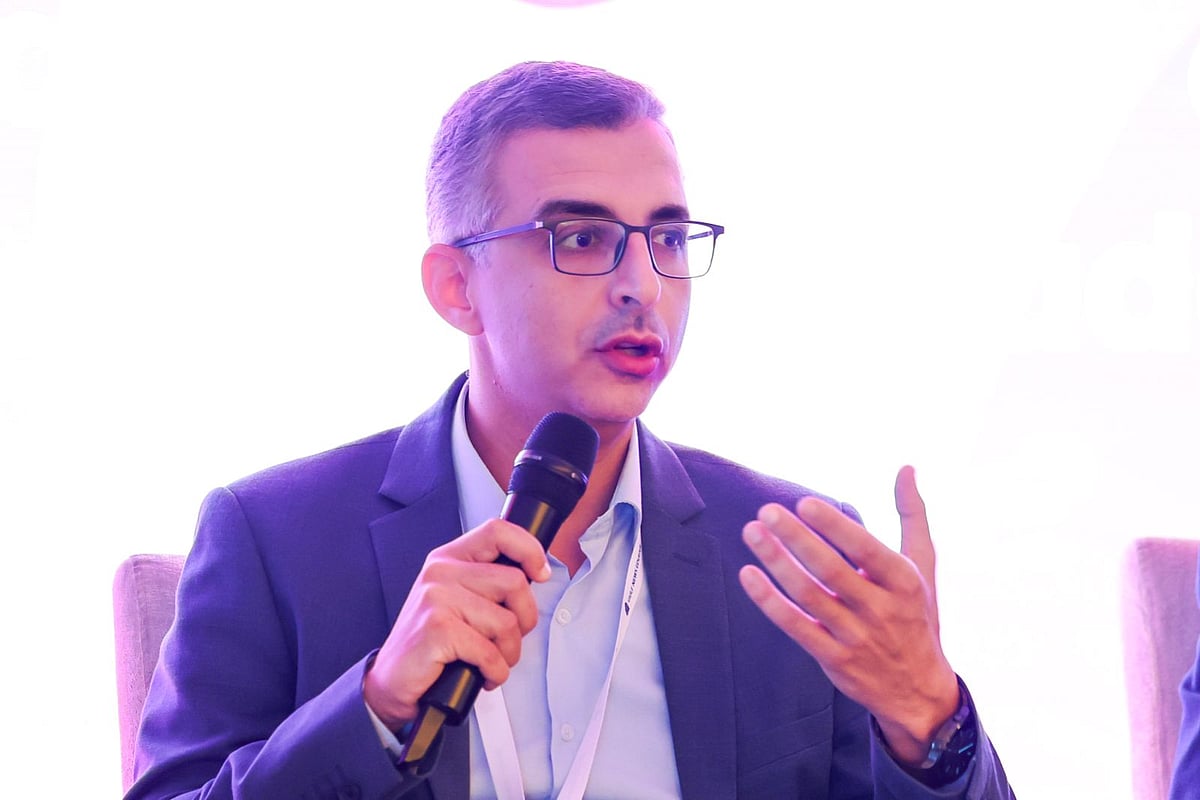
Osama Dorgham, head of school of computing at Curtin University Dubai, has highlighted that AI is already a reality and students should focus on learning how to use and adapt to it professionally.
“AI now is a fact. What we should be prepared for is how to use it, how to adapt to it, and how to achieve what we want from it in a professional way,” explained Dorgham.
Students should have the knowledge and skills to use different types of AI in their chosen fields. This includes understanding areas such as how AI-generated images are produced and what prompts to use.
Dorgham has warned of AI “hallucinations” as one of the problems students can encounter when they accept generated information without checking it.
“One of the ways to return to the route of information is to ask it to give us the source of the information and verify it.”
Dorgham has suggested that students deliberately work without AI and then compare their work with an AI-assisted version.
“Force yourself to work without AI and compare the result. With this technique you will improve your capabilities and go to the next level.”
Healthcare students will need skills from two worlds
Professor Amir Zeid, dean of Thumbay College of Management and AI in Healthcare, has underscored how AI is creating opportunities for students who can combine technology with specialist knowledge. Given this, the college has launched a degree in Applied AI in Healthcare.
Students would need to grow up “speaking two languages,” the language of doctors and engineers. Zeid has stressed that universities and organisations need clear frameworks for responsible AI use.
“AI governance in an organisation is very important. Every university should have their own rules that people abide by,” exclaimed Zeid.
However, students have been reminded that preparation for an AI-driven future should not mean spending more time in front of screens.
“Just learn board games, go back to reading, avoid screens, and talk to people.”
It is important that students also retain their own lives and human experiences outside technology.
AI should augment education
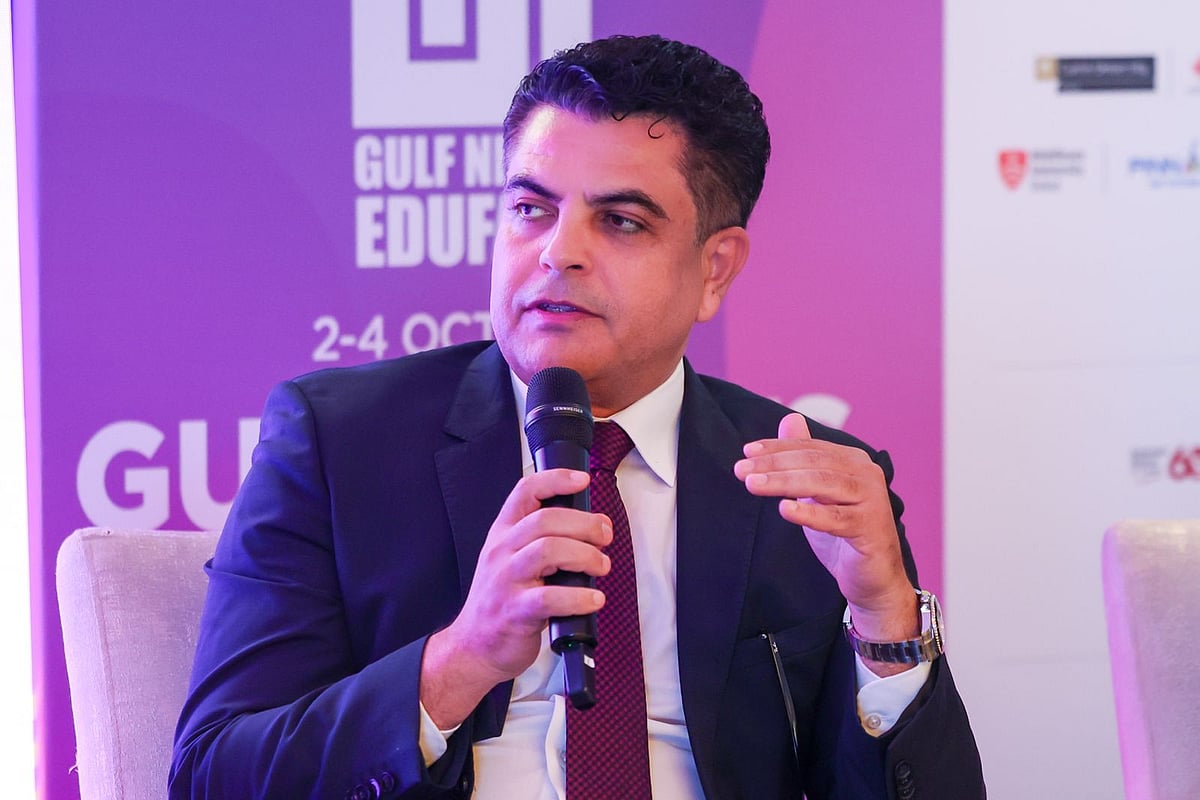
Professor Omar Ghrayeb, dean of the college of engineering and information technology at Ajman University, has mentioned that AI is changing professional skills across fields.
He has compared the development of AI with previous technological changes, including robotics and automation.
“Robots changed the skills needed in certain jobs. Robots and automation created jobs that did not exist in other eras, the same will apply to AI,” described Ghrayeb.
Universities can think about AI education at three levels, foundational, discipline-based, and advanced. Students first need a foundation in AI, followed by the ability to apply it within their chosen discipline. They then need enough subject knowledge to criticise and evaluate AI-generated designs and results.
“AI can never replace critical thinking.”
Rather than replacing existing curricula, universities should embed AI into their programmes in ways that complement students’ existing knowledge and improve their productivity.
“We should not replace but instead augment our curriculum with AI.”
Preparing students for jobs that do not exist yet
One challenge for universities is that some of the jobs their graduates will eventually enter may not exist today. Universitites need to focus on skills that remain useful across different roles and industries.
“There are skills that are portable and timeless. Lifelong learning is a skill that will help you adapt to future jobs,” remarked Ghrayeb.
He has emphasised ethical AI use and the importance of protecting students’ ability to think independently.
“Don’t rely on AI blindly, protect your curiosity because that’s what will last.”
Start with ‘what’, then work out ‘how’
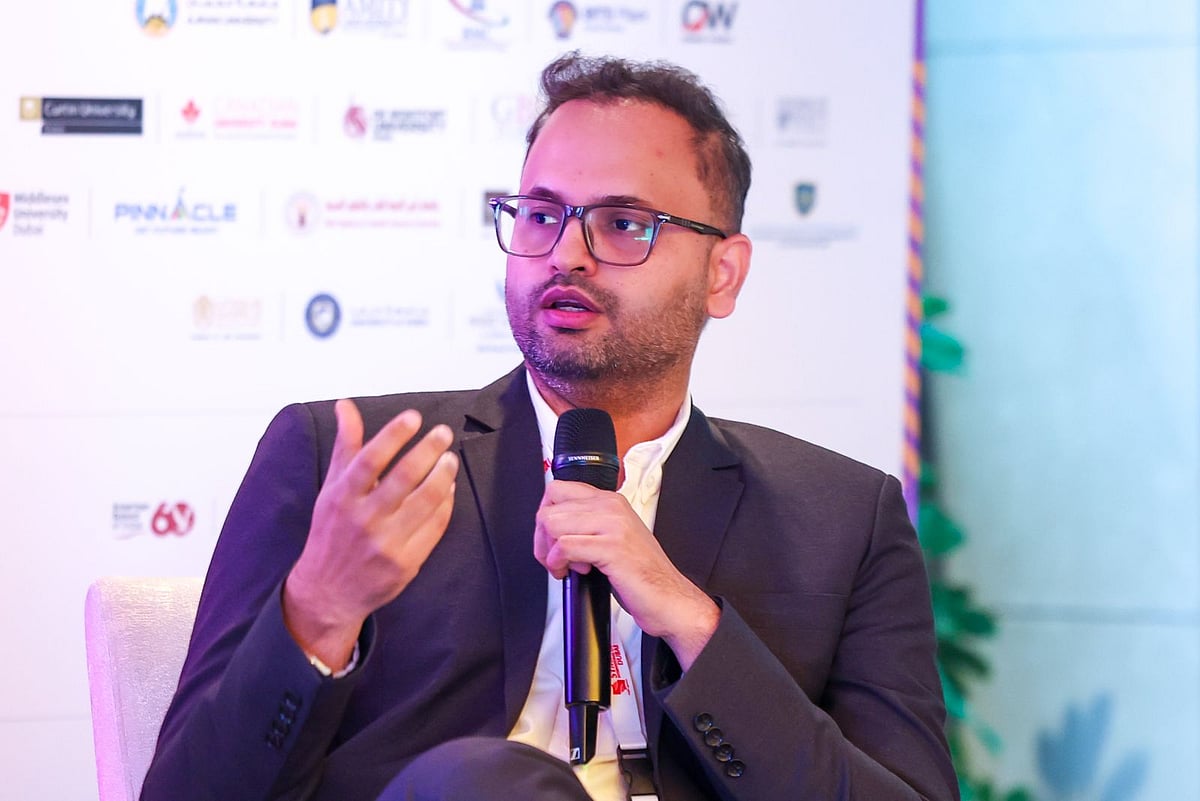
According to Tausif Amir Mulla, lecturer at Symbiosis International University Dubai, students need to understand the relationship between what employers need and what they expect from their education.
“There should be an understanding on what the market needs and what student’s expectations are,” stated Mulla.
Students should begin with what they want to achieve and then consider the different ways of getting there.
“If you want to use AI start with a what, then go with three hows. The tools will come and go but curiosity is something that we need to develop. Soft skills are something we need to invest to.”
Treat AI’s answer as a hypothesis
Meanwhile, students using AI for assignments, research, or projects, should not automatically treat the output as the final answer.
“Whatever output you get, use it as an hypothesis and not an actual solution,” said Mulla.
The tools may change, but the ability to adapt, keep learning, think critically, act ethically, and remain curious will continue to be important as AI reshapes the workplace.