
Table of Contents
Dubai: Tourism across the region can recover quickly after conflict, but rebuilding traveller confidence will take coordinated action from airlines, governments, destinations, and the wider travel industry, speakers at the Arabian Travel Market (ATM) said.
The discussion on “Connectivity Post-Conflict” during the second day of the 33rd edition of ATM has focused on how destinations can restore demand, maintain air links, and reassure travellers when negative news dominates global headlines.
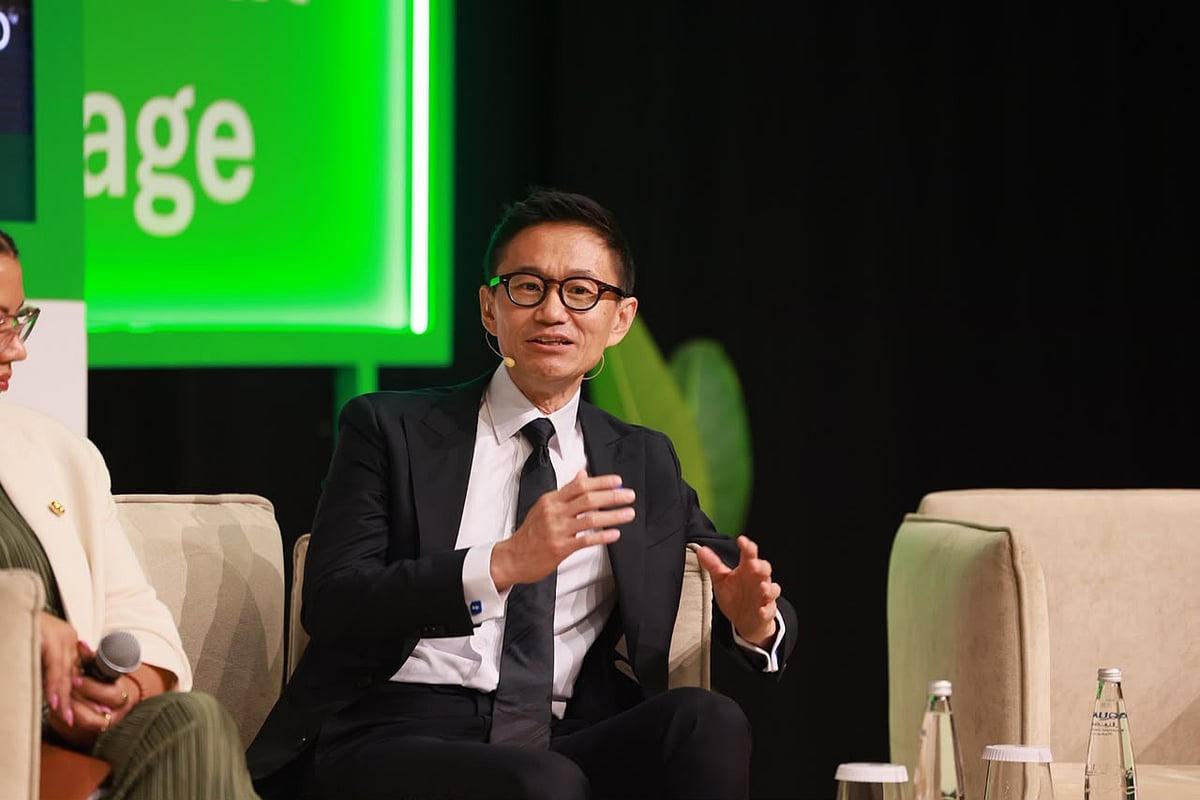
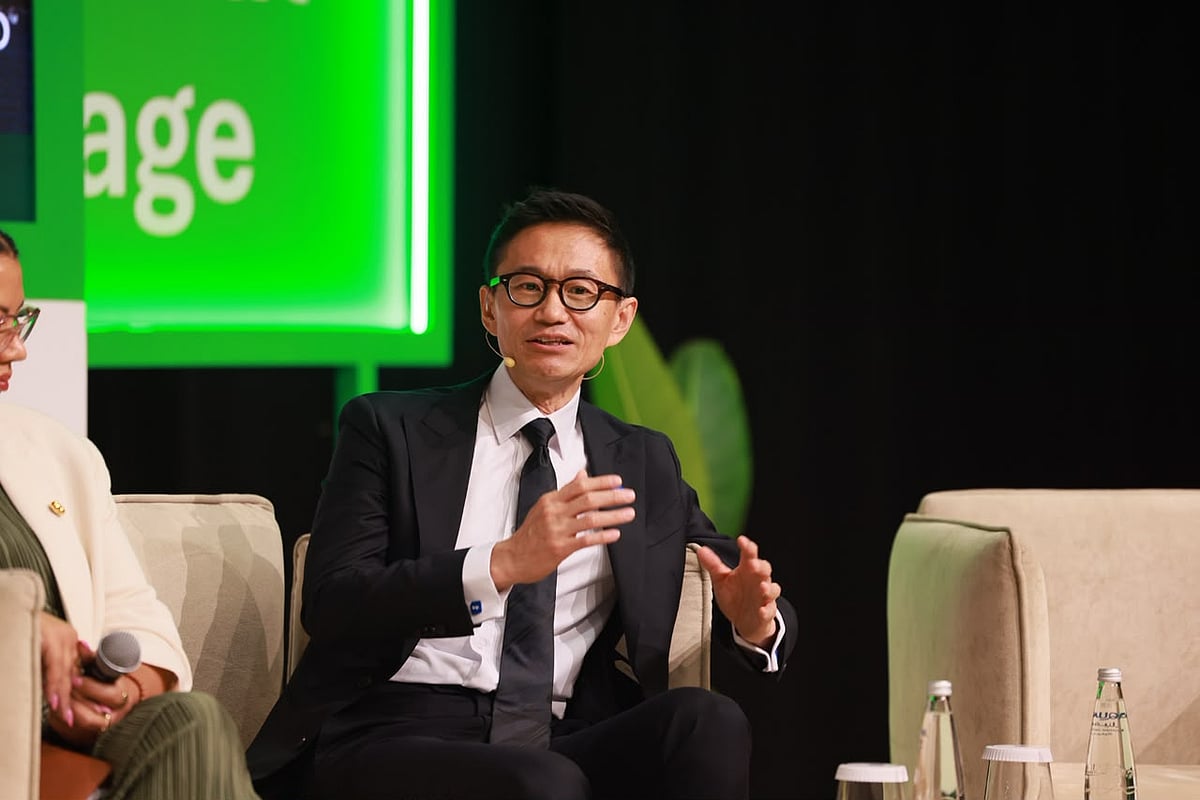
Schubert Lou, CEO of Trip.com, has noted that travel demand typically recovers in stages, with search behaviour and online planning providing early indicators of how travellers are responding to a destination.

“The demand behaviour take phases: are people searching, are people looking for inspiration about our destination, are people asking questions about cancellations, all those are signals. What we believe is, if we want to be truly reconnected, the key is to have all those signals aligned,” shared Lou.
Get updated faster and for FREE: Download the Gulf News app now – simply click here.
Confidence falls quickly
Lou has compared the process to an elevator and a staircase.
“Confidence drops like an elevator, it comes back by taking steps on stairs,” described Lou, stressing that rebuilding trust takes time and requires visible, credible information.
He has warned that simply telling travellers that a destination is safe or “back” is no longer enough.
“It’s not good enough to say that we are back, this is just marketing. People don’t believe in that anymore. We need to collectively work on that messaging together and ponder in what we have to offer.”
For Gulf travellers, who have access to a wide choice of destinations, the competition for confidence is particularly important.
“People have many choices. They can go to 20 other destinations if they want to.”
Lou has also highlighted the gap between international news coverage and the reality travellers may encounter on the ground.
He has mentioned that he arrived in the region with some nervousness because he did not have a clear picture of what was happening. Once on the ground, however, he has found that the situation looked similar to what he had experienced during an earlier visit. The challenge has been communicating those real-world experiences online.
Social media becomes part of the recovery effort
Lou has bared that destinations need to rethink how they communicate during periods of uncertainty, particularly as social media becomes increasingly influential.
“It’s no longer the traditional media. Social media is now more influential and powerful,” exclaimed Lou.
He has called for credible voices to share what is actually happening on the ground, supported by reliable resources and information. The goal is not simply to produce positive messaging, but to provide travellers with enough genuine information to make informed decisions.
“We need to get the right people to be passing along this positive news. We need to have actual resources and materials that need to be surfaced. Right now, all we get is bombarded with negative news, how can we change that? I think everyone has a responsibility to share that positive news.”
Lou has also stressed the importance of data in tracking the recovery.
“We are at the forefront of that data access. We know what people are searching on, we know what people are referring to and planning their trip on, and that signal can be given back to the industry.”
He has pointed out that the crisis could change the mix of destinations travellers choose, although established hubs are likely to retain their competitive advantages.
Travel is no longer a luxury
Abdul Wahab Teffaha, secretary general of the Arab Air Carriers Organisation, has underscored that the region has repeatedly demonstrated its ability to recover from major disruptions.
According to him, the region has experienced 27 wars since he entered the aviation sector in 1980, alongside international and financial crises. Yet travel demand has repeatedly returned after periods when people were unable or unwilling to travel.
“When they are confined or feel like they are trapped in a situation, what will happen is that immediately after that, there is a spike,” shared Teffaha.
He has argued that travel and tourism should no longer be viewed as discretionary luxuries.
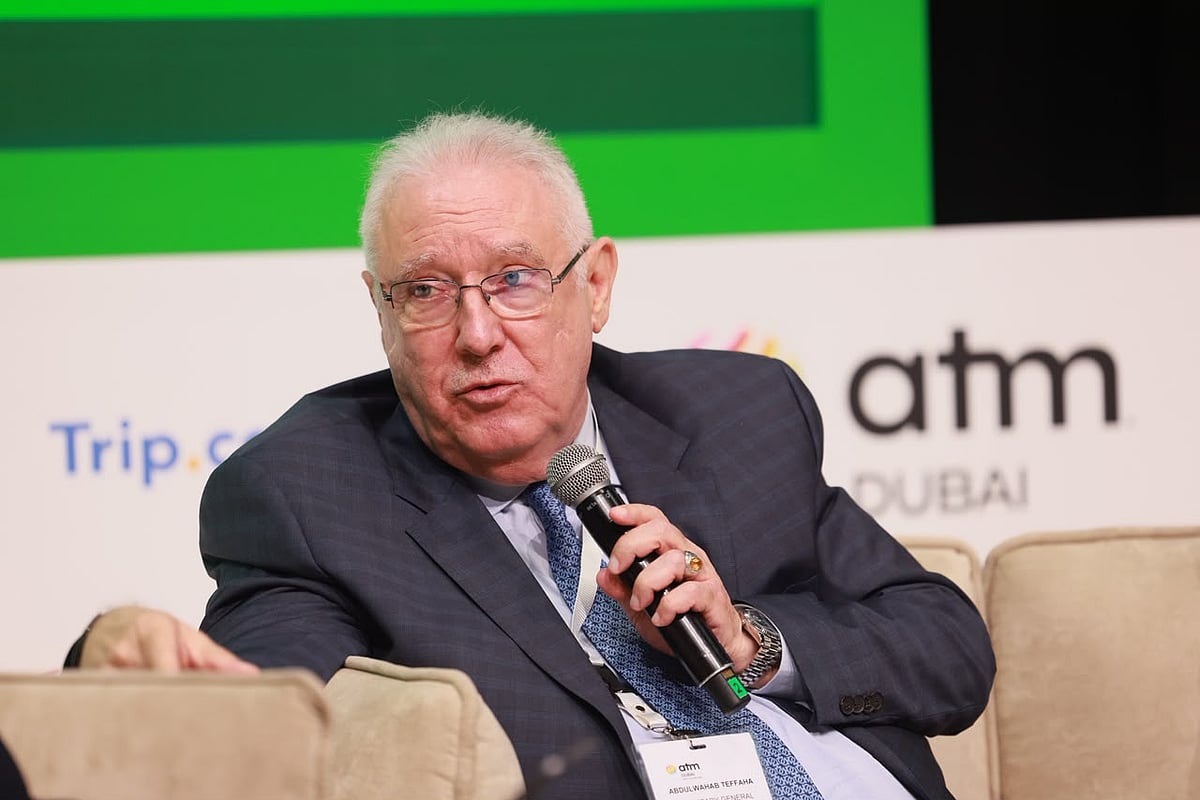
“Travel and tourism is no more a luxury. It is like electricity, telecommunications, it is part of our modern DNA.”
Teffaha has rejected the idea that virtual experiences, artificial intelligence, or robotics could replace physical travel.
“Nothing compares to the experience of feeling, seeing, and changing what happens to other people.”
He has pointed to tourism’s importance as a source of employment at a time when automation and AI are reshaping other industries.
“Tourism is the one that creates most jobs when everybody else is losing jobs with AI. We will be back immediately after the stoppage of hostilities.”
Airlines and governments need a new partnership
Teffaha has noted that governments and the public need a better understanding of the economic role airlines play. Airlines must remain financially sustainable while also contributing strategically to the economies in which they operate.
He has urged governments not to treat aviation primarily as a source of taxation.
“Don’t look at aviation as a tax hub because the more you tax, the less your destination is going to be desirable,” stated Teffaha.
He has added that the second priority is airport facilitation, including greater use of technology to make the passenger journey easier.
Connectivity and diversification
Nicola Amanda Bernstein, Minister for Tourism and Culture of Seychelles, has emphasised that restoring confidence is closely tied to giving travellers more options.
“When it comes to confidence it’s about options, route development, and that’s a key area of focus for us,” remarked Bernstein.
Even during periods of disruption, demand has remained relatively strong. The challenge has been ensuring that travellers had sufficient availability, flight frequency, connectivity, and affordable route options.
Seychelles has also focused on strengthening partnerships and diversifying its tourism base.
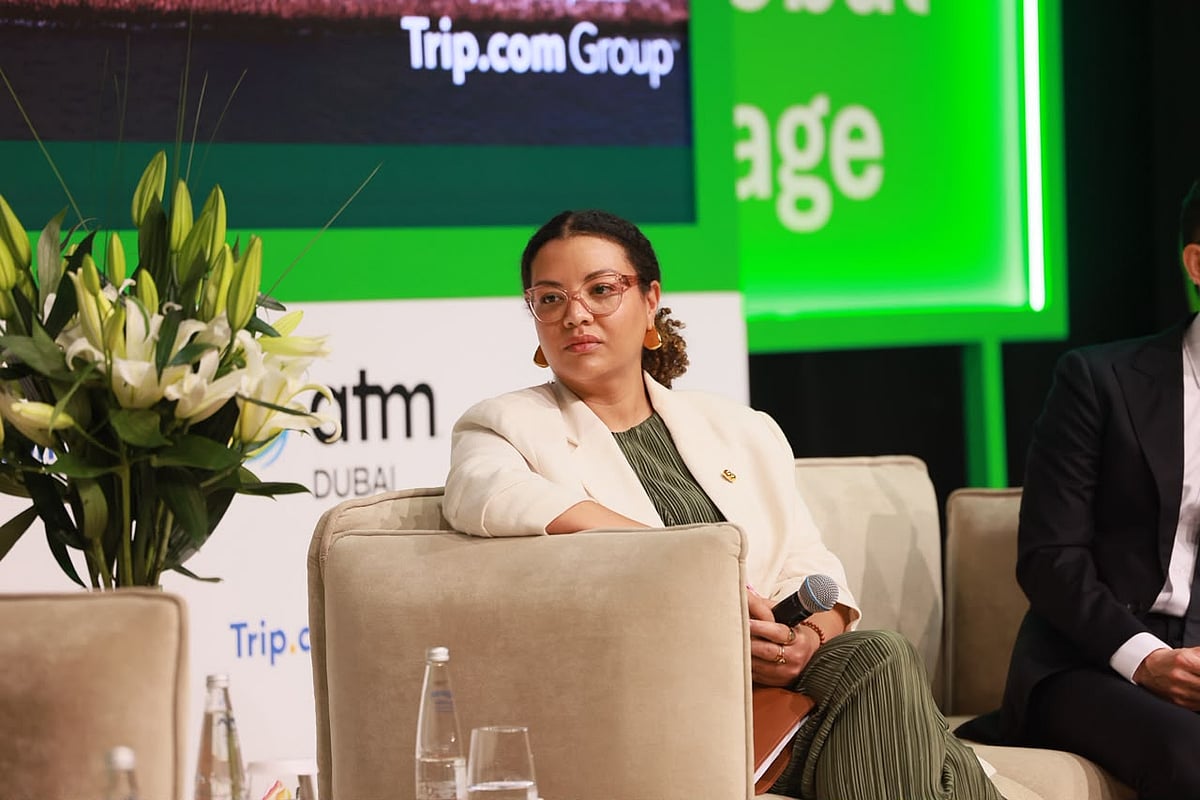
“Resilience is rooted in diversification. What we need to make sure of is that we learn from each of these instances. What’s really important is that we don’t forget those lessons. Our strategies have to be informed by a longer term view.”
She has shared that the government had temporarily supported its national carrier during a period of heightened challenges to ensure continued links with key source markets. For governments, however, long-term support should focus on working collaboratively with airlines and the private sector.
“There is certainly a role for governments within our means and capabilities.”
Data is essential
Bernstein has highlighted the growing importance of data in tourism decision-making. Simply having data is not enough. Destinations must develop the ability to interpret it and use it effectively.
“We need to keep building up our own capabilities when it comes to interpreting the data that we have available,” shared Bernstein.
That can help governments and tourism authorities decide where to invest, identify opportunities, and strengthen resilience.
“The more we collaborate on this data sharing, the more we can strengthen the resilience of the entire sector as a whole.”
Teffaha has echoed the point, describing data as “the fuel of everything we are doing” and noting that airlines have long recognised its importance for understanding customers, planning operations, and preparing for the future.
Turn connectivity into confidence
For Lebanon, restoring connectivity has been linked to restoring the country’s image as a tourism destination. Laura El Khazen Lahoud, Minister of Tourism of Lebanon, has stressed that connectivity itself sends a powerful message to international travellers.
“Connectivity means it equals a vote of confidence in the country,” said Lahoud.
She has called on travellers, particularly those from nearby Gulf markets, to reconsider Lebanon’s position as both a destination and a regional hub.
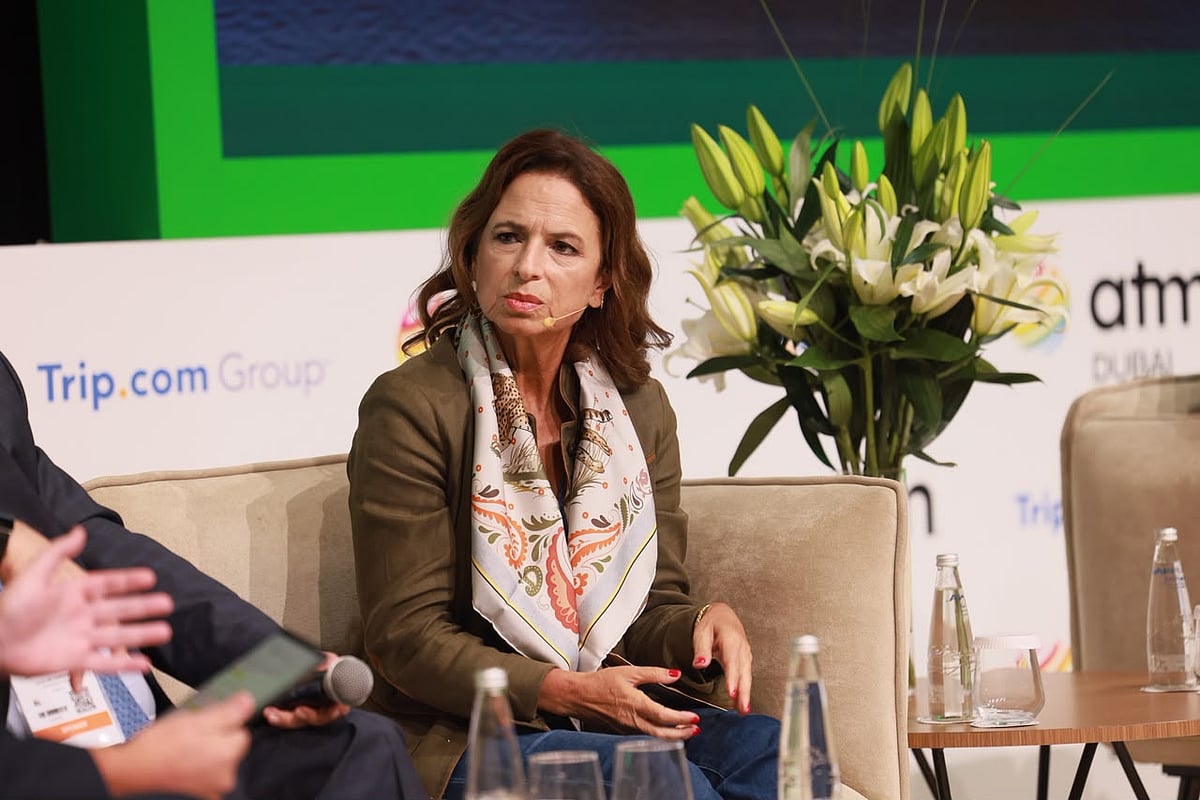
“We just need to change the perception that people have of Lebanon.”
The country has also been working to strengthen its infrastructure and resilience while making greater use of technology and data.
“We need to share our data and make sure supply, demand, and efficiency are better synchronised.”
Recovery will depend on cooperation
Across the panel, the message was that post-conflict tourism recovery cannot depend on a single airline, government, or destination.
Restoring connectivity is only the first step. Travellers also need reliable information, affordable and frequent routes, functioning infrastructure, and confidence that the destination can deliver the experience they expect.
Lou has mentioned that recovery was inevitable, but the speed of that recovery could be influenced by the industry’s actions today.
“We will recover for sure but the speed that we’re recovering at is something that we can work on,” stated Lou.
For a region that has repeatedly demonstrated resilience, the challenge now is to turn that resilience into a more coordinated model, one built around connectivity, diversification, technology, credible communication, and the smarter use of data.d