
Table of Contents
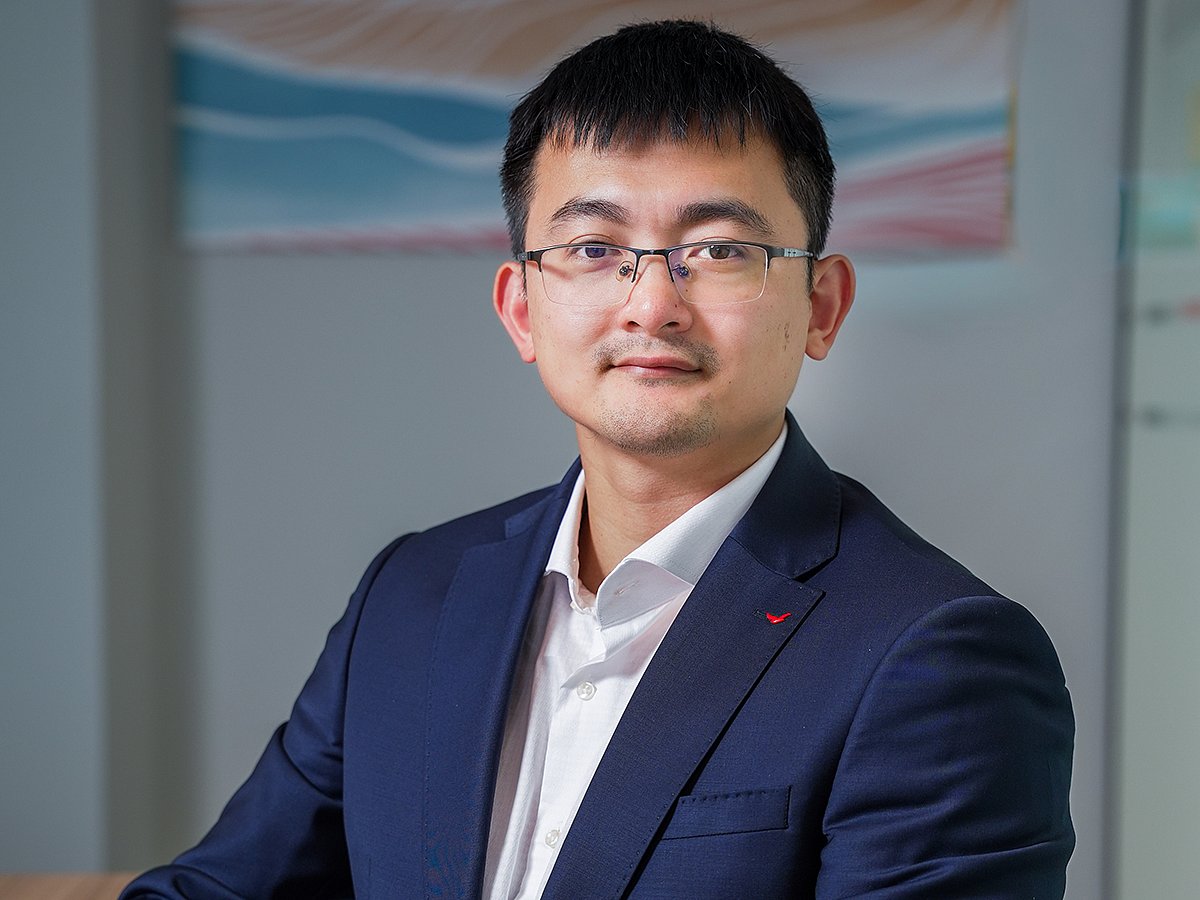
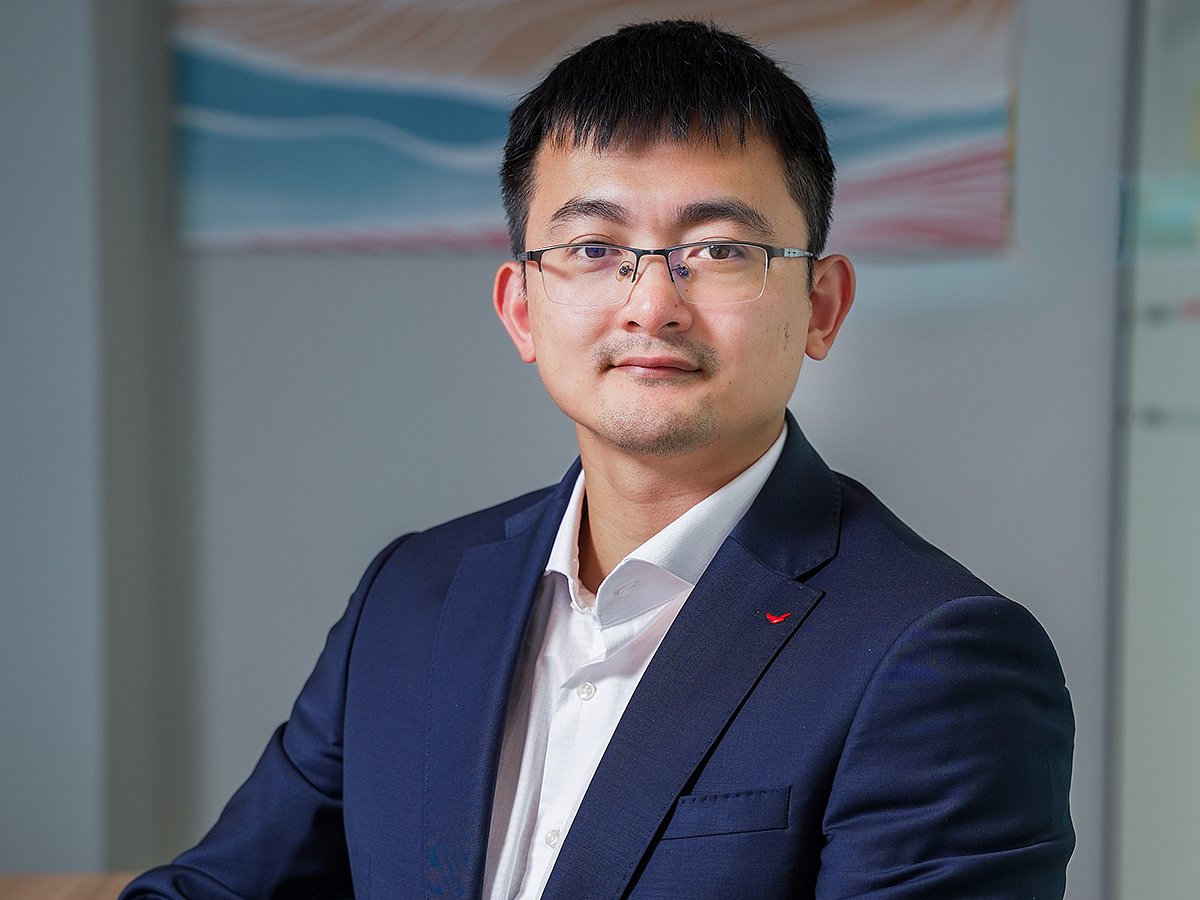
As Keeta UAE completes its first year of operations, we sit down with General Manager, Lucas Xie, to discuss the growth and expansion of the global on-demand food delivery platform from Chinese technology leader Meituan in the Emirates. In this wide-ranging interview, Xie, who is responsible for strategy, operations and expansion, shares how the company has adapted lessons from China to the UAE, supported local merchants, responded to diverse consumer habits and is using AI, data and partnerships to shape its second year.
As Keeta marks its first anniversary in the UAE, what have been the defining achievements, and which challenges have most influenced the way the business operates today?
When I look back at our first year, I am proud of both the pace of our growth and the way we managed it. We reached all seven emirates within 90 days. By the end of its first year, Keeta had served millions of customers and fulfilled tens of millions of orders, supported by about 10,000 restaurant and merchant brands across more than 40,000 locations. Our delivery partners travelled more than 200 million kilometers to make that possible.
Those figures show how quickly Keeta grew, but they do not tell the whole story. As we expanded, we also had to build responsibly and become part of the communities in which we operate. KeeShare brought more than 1,200 merchants together during Ramadan to help customers share meals with riders. Our collaborations with Khalifa Fund and Dubai Chambers have focused on supporting local businesses, while our work with transport authorities has helped advance rider safety and service standards.

Having led and scaled major delivery operations in China, what aspects of your experience proved most valuable in the UAE, and what did you have to rethink for this market?
My experience in China taught me that operating at scale requires much more than moving a high volume of orders. It requires systems that can anticipate demand, coordinate logistics in real time and respond quickly when conditions change. Working with Meituan’s technology gave me a strong understanding of how intelligent dispatch, route planning and automated order tracking can bring structure to a very complex operation.
When I came to the UAE, I knew those capabilities would be valuable, but I also knew we could not simply transfer the same operating model. The regulatory environment is different, customer expectations vary even within the same city and demand can change significantly from one neighbourhood to the next. Seasonal occasions and the rhythms of daily life also shape ordering behaviour in very distinct ways.
My role has been to understand which lessons from China can give us a stronger foundation, while remaining open about what needs to change locally. The UAE reinforced for me that even the most advanced technology needs an agile local team behind it. Data can show us what is happening, but local knowledge helps us understand why and decide how to respond.
In a crowded UAE food delivery sector, how is Keeta building long-term relevance rather than relying on promotions and short-term customer acquisition?
Promotions can introduce customers to a platform, but they cannot build lasting loyalty on their own. Long-term relevance comes from becoming a service people can rely on, with genuine choice, consistent delivery and clear value each time they order.
Our On-time promise is one expression of that approach, bringing greater accountability while giving customers meaningful choice across cuisines, budgets and occasions. The scale reached during our first year shows that customers have been willing to make Keeta part of their routines.
Relevance also depends on the strength of the restaurant network and how effectively the platform connects people with options suited to their tastes, budgets and locations. For merchants, it means building transparent relationships and using technology to support meaningful customer discovery. These are the fundamentals that turn an initial order into a lasting habit.
How has Keeta adapted its services and partnerships to reflect the UAE’s diverse communities, dining habits and expectations around convenience, value and service?
The UAE is home to more than 200 nationalities, so there is no single definition of the everyday customer. People bring different tastes and traditions to the market, but they also have very different routines. A family ordering dinner together may be looking for something entirely different from someone ordering between meetings or searching for a dish that reminds them of home.
Our first-year data showed some common rhythms. Evening hours were the busiest while Eid Al Fitr and Eid Al Adha were among our busiest ordering occasions. Fried chicken and burgers emerged as two of the most popular categories overall. Among some of our most active users, Arab cuisine was a clear favourite, with mandi emerging as a preferred dish.
These insights help us plan delivery capacity and make restaurant discovery more relevant. They also shape how we approach local moments. KeeShare, for example, was built around Ramadan’s culture of generosity and gave customers a simple way to share a meal with their rider. Adapting to the UAE means understanding both the diversity of the market and the moments that bring its communities together.
What measurable impact has Keeta had on local restaurants and smaller merchants, and how are you helping them improve visibility, reach new customers and grow sustainably?
One of the things I am most proud of from our first year is the number of businesses that chose to grow with us. This gave local concepts and smaller businesses access to a platform serving millions of customers, allowing them to appear alongside established international brands and reach audiences beyond their immediate neighbourhoods.
Being listed on a platform, however, is not the same as achieving meaningful growth. At the merchant level, the measures that matter include how many new customers a business reaches, whether its visibility improves, how orders develop and whether that demand continues over time. We use platform insights to understand these patterns, improve restaurant discovery and shape campaigns around genuine customer behaviour.
Our partnership with Khalifa Fund extends that support to Emirati entrepreneurs and home-grown food businesses, helping them strengthen their digital presence and prepare for sustainable growth. The aim is to give merchants more than short bursts of exposure. We want to help them understand their customers, build sustained demand and make more informed decisions about their next stage of growth.
As technology, AI and consumer expectations reshape food delivery, what is Keeta’s vision for the sector and what are your key priorities for its second year in the UAE?
Customers should not need to think about the technology behind an order. They should simply feel that the service understands what they need and works reliably.
In our second year, the priority is to apply those capabilities more deeply across the UAE. We want to make the experience more consistent between emirates, give merchants more useful insight and continue developing last-mile operations through local partnerships. Our collaborations with local authorities have also shown how technology and training can support safer, more efficient delivery operations.
The sector will continue to become more sophisticated, but innovation should always solve a real problem. Its value lies in making each order more dependable and giving customers, merchants and delivery partners a better experience.
Your career spans technology, logistics and new business development across several markets. How has that combination shaped your leadership of Keeta UAE and your approach to sustainable growth?
My career has taught me that strategy and operations cannot be separated. A strong customer proposition will only last if the logistics perform consistently and merchant partners are also receiving meaningful value. New business development may create the opportunity, but technology and operations determine whether that opportunity can grow sustainably.
That perspective shaped how I approached Keeta’s launch in the UAE. I stay close to the data, but I also place a great deal of importance on feedback from customers, merchants and the teams working on the ground. Data helps us identify a pattern. Speaking to the people closest to it helps us understand what needs to change.
Working across different markets has also made me comfortable challenging assumptions early. A model may have succeeded elsewhere, but it still has to prove its relevance locally. For me, sustainable growth means moving with ambition while remaining disciplined about the experience we are building and the value we create for everyone involved.
– In association with Keeta UAE