
It started with a troubling question. What if the water people rely on every day is slowly making them ill?
For 18-year-old Dubai student Vehaan Subramanian, the question began with a news article about a family in India whose deaths from cancer were linked to arsenic-contaminated groundwater. What followed was months of research into arsenic pollution and a search for ways to tackle the problem in communities affected by contaminated water.
Get updated faster and for FREE: Download the Gulf News app now – simply click here.
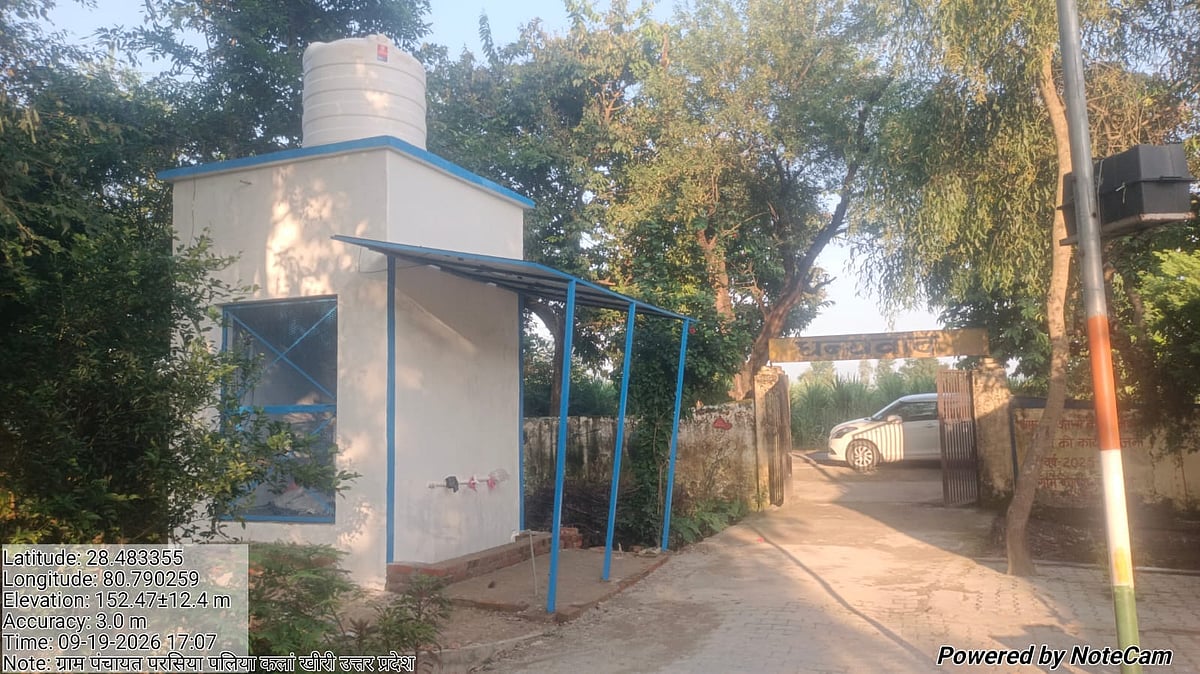
As Vehaan delved deeper, he learnt that the family’s experience was not an isolated case. Arsenic contamination affects groundwater in parts of India and across South Asia, exposing communities to a long-term health risk. His research eventually took him to Parsiya village in Uttar Pradesh, where he developed Project ARUNA, a solar-powered water treatment plant designed to remove arsenic from groundwater.

Long-term exposure to arsenic-contaminated water can increase the risk of serious health problems, including cancer and skin lesions, and has been associated with cardiovascular disease and diabetes.
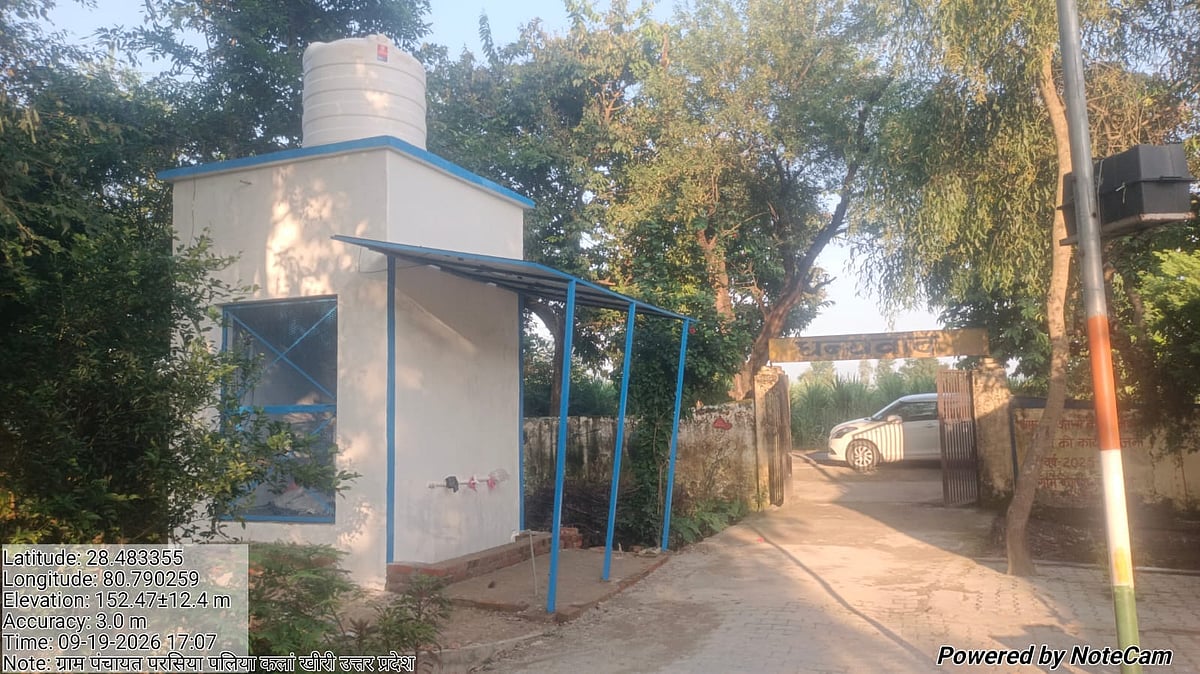
Vehaan began by looking at groundwater data to identify areas where arsenic contamination was a serious concern. His research led him to focus on Parsiya village in Lakhimpur Kheri district.
But identifying the problem was only the beginning. Turning the idea into a working plant meant figuring out how to fund the project, finding the right equipment, securing the land and navigating the approvals needed to build it.
Vehaan said village head Laxman Prasad Rana was very supportive, along with residents who worked with him during the installation. He also recalled how the Jal Nigam, Uttar Pradesh’s rural water supply agency and other government officials helped with approvals and securing the land for the plant.
“You can have an idea and even design a solution yourself, but something like this only becomes real when a lot of different people are willing to work together,” Vehaan told Gulf News.
The project was funded partly through Vehaan’s own savings, including money he had received as birthday gifts over the years and funds raised through a reading club he started. The remaining amount came through crowdfunding.
His parents, hailing from Pune, Maharashtra, were particularly struck by how he handled the administrative side of the project.
“Vehaan has grown up in Dubai and knew very little about government processes in rural India. He slowly figured out whom to approach and followed up with officials,” Sarika Subramanian, Vehaan’s mother, told Gulf News.
From Dubai to Parsiya
Vehaan travelled from Dubai to be directly involved in bringing the project to life.
“I was personally involved in the different stages of construction, from the main structure and bore drilling to the water tanks, plumbing, filtration and solar work,” he recalled. He also helped coordinate the work and deal with issues as they arose.
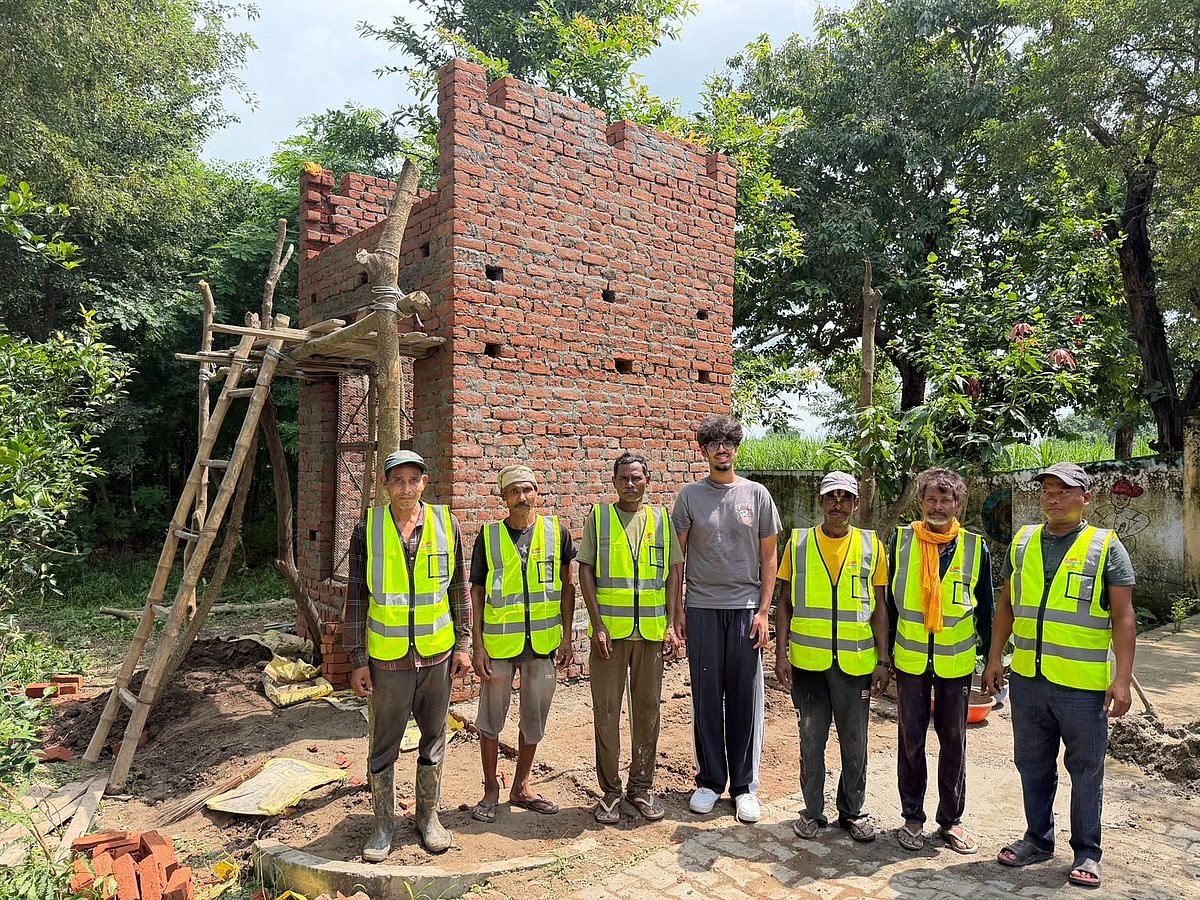
Balancing the project with his studies was tiring at times, the Year 13 student at Dubai College said, but he valued the experience and how it taught him to manage his time and stay calm when things did not go according to plan.
Dubai College Headmaster Tomas Duckling described Project ARUNA as an “inspirational achievement”, saying it reflects the school’s encouragement for students to use their abilities beyond the classroom.
Tackling arsenic contamination
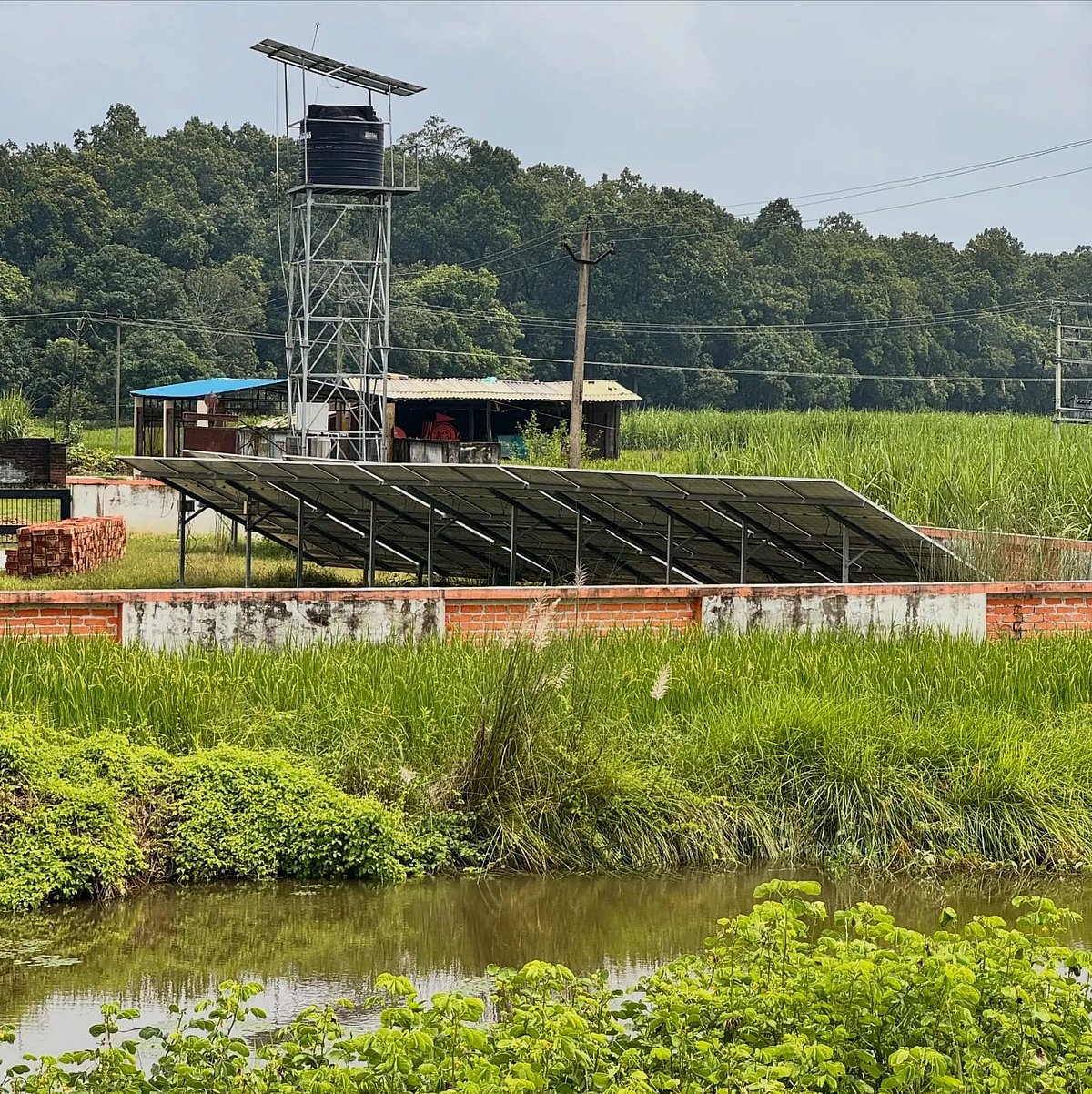
The plant in Parsiya can treat around 2,000 litres of groundwater an hour and is designed to serve a community of about 3,000 people. Groundwater is pumped from a borewell and passes through filtration stages that remove iron and arsenic before the treated water is made available to the community.
“One of the main materials used for arsenic removal is Granular Ferric Hydroxide or GFH, which captures arsenic as the water passes through it. The plant is powered by solar panels, and we have tried to use gravity wherever possible so that the system remains simple and has relatively low running requirements,” Vehaan explained.
Beyond the lab results, when the numbers took on meaning
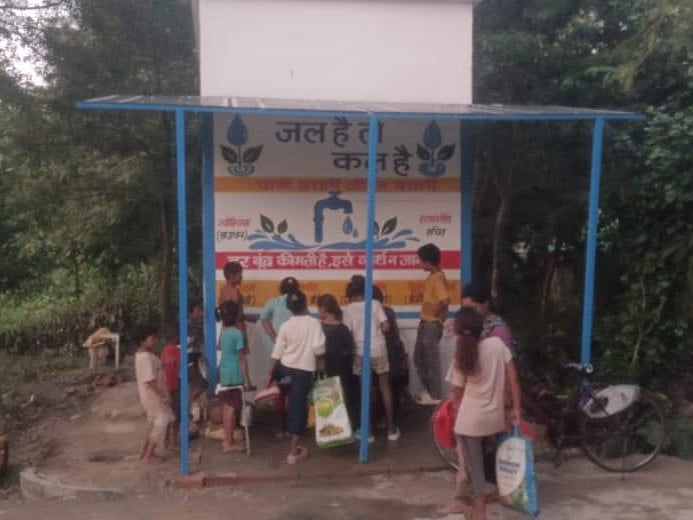
Vehaan said the moment that stayed with him most was seeing the first treated water flow through the plant and receiving the laboratory results.
“It is easy to look at those results as just numbers, but when you are actually standing in Parsiya and know the people there are going to drink that water, those numbers suddenly mean something completely different,” he said.
Sarika recalled how villagers from nearby Golbhoji, who faced a similar problem with their drinking water, approached Vehaan after hearing about the plant.
“One woman asked him, ‘Bhaiya, aap hamare idhar kar denge?’ She was asking if he could build a similar plant for their village. The villagers even offered him land to build it,” Sarika said.
Vehaan now hopes to raise funds and secure the necessary approvals to take what he has learnt in Parsiya to Golbhoji, using the experience to improve the next plant.
“I definitely do not want my initiative to stop with one village,” he said.
For now, Vehaan sees Parsiya as a starting point for what he hopes will become a wider effort to support communities affected by arsenic contamination.