
Dubai: When I first saw the teaser for Daayra, my mind went straight to the Nirbhaya case, specifically to the juvenile convicted in that 2012 Delhi gang rape, who was widely reported to be the most brutal of the attackers and who nonetheless walked free after three years in a juvenile home.
I remember how furious that news made me at the time. Daayra, whose title means “boundaries,” is not based on that case alone, but it clearly draws its charge from the same place, and watching it brought all of that anger rushing back.
There is a lot to admire in how the film handles this territory, not least the fact that it resists the urge to sensationalise a subject Hindi cinema usually can’t help but sensationalise.

A few minutes into the opening, we are met with a distraught mother going from police station to police station, met only with apathy, while her missing daughter is already dead.
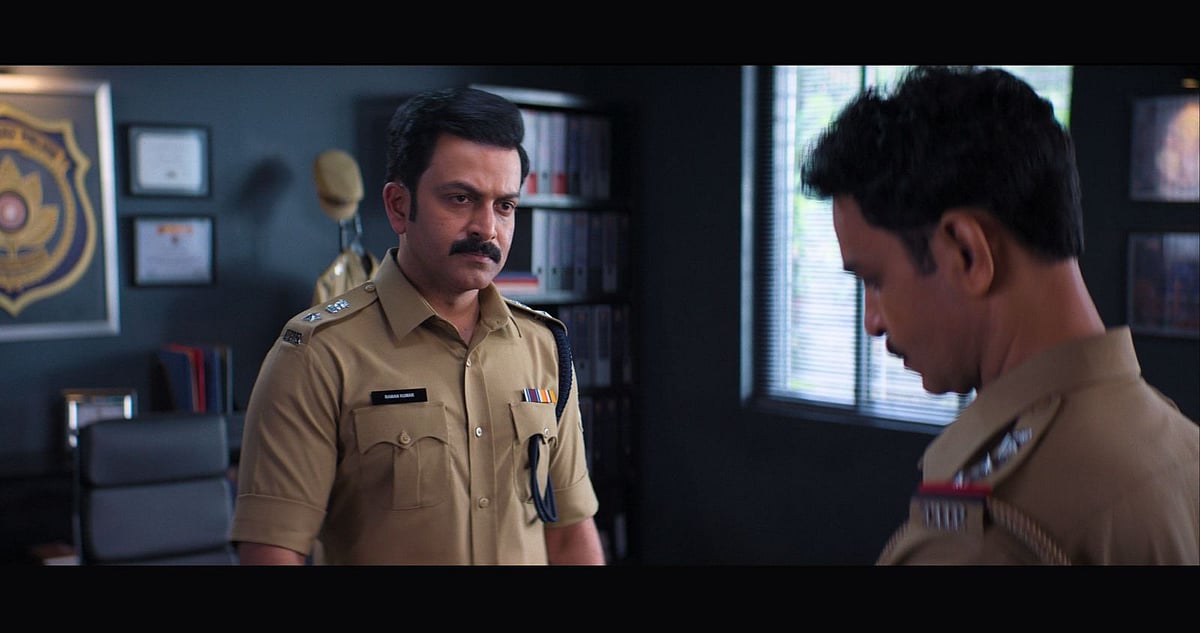
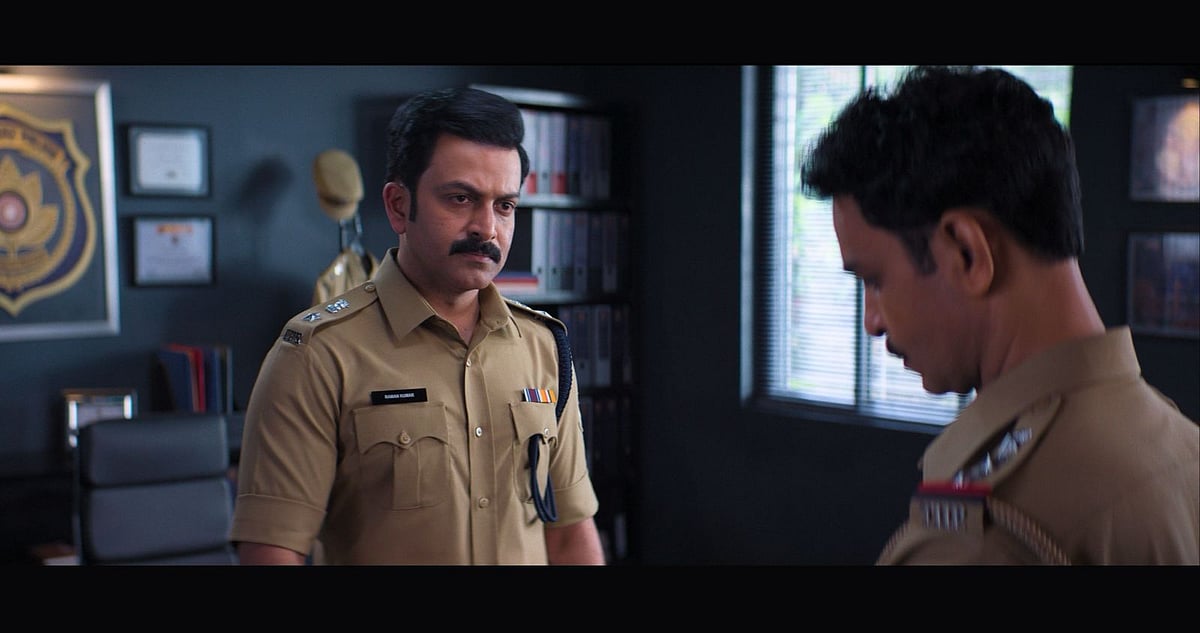
By the time ACP Raman Kumar’s team steps in, it is too late to save the girl, but not too late to hunt down the men responsible.
What happens next, an encounter killing that the public celebrates as long overdue justice, is where the film actually begins.
Prithviraj is the reason to watch this. As Raman, he plays a cop who genuinely believes in doing his job and believes, with total conviction, that justice can be delivered by people like him. It is a quietly commanding performance, stoic without ever tipping into stone faced, and easily one of his finest. Of the two leads, his is by far the more convincing arc.
Kareena Kapoor, as the special investigator sent to determine whether that encounter was real or staged, plays her part with the same stoic restraint. She is a good actress, and she navigates the material competently, but her character’s debate over which side of the law she truly stands on never fully lands. It felt like the writing did not do her justice, and her arc ends up being the less convincing of the two.
The actors playing the victim’s mother and brother deserve real credit here too. Their grief and their anger feel completely real, and it is hard not to have your heart go out to them.
The film’s structure, told through two competing perspectives, one convinced the encounter was justice, one convinced it was murder dressed up as justice, is Daayra’s smartest idea. It refuses easy answers about whether taking the law into your own hands can ever be right, particularly in a country where victims are tired of waiting for a system that moves too slowly, if it moves at all.
A closing statistic, that a striking share of rape cases in India end without conviction, lands with real weight. As a mother of three, I watched this firmly on Raman’s side. I don’t believe there is room for nuance when it comes to predators, especially those who target children or women. Daayra insists on the grey anyway, and to its credit, it does so with real nuance rather than simplistic moralising.
Where the film loses its grip is pacing. The first half is taut and purposeful. The second half, largely spent on Kareena’s team painstakingly reconstructing what led to the encounter, drags in a way that undercuts the tension. We already know where this is headed, so the reconstruction often feels like stalling rather than suspense.
The film would have benefited from spending more time inside the psyche of the accused men themselves. Instead, it stays largely on the surface of their guilt, which is a missed opportunity given how much space the film otherwise gives to nuance.
What Daayra does get right, and gets right consistently, is the everyday apathy that surrounds these cases: the police indifference, the shaming that keeps survivors silent, the sheer exhaustion of families who feel the system has failed them. That part of the film never rings false.
Watch Daayra for Prithviraj, and for the family that grounds this film in real grief. Just don’t expect the second half to move as briskly as the first.