
Table of Contents
“My periods are so painful this time.”
“Maybe try cutting down on carbs and oily foods? I did that, and it really helped.”
“My periods haven’t come this time.”

“Maybe try cutting down on carbs, sugar and oily foods? I did that, and it really helped.”
As a woman, you’ve probably heard this exchange, or had it yourself, so many times that it starts to sound like fact. So you do a quick Google search, and diagnose yourself with a hormonal imbalance.
A painful period? Cut carbs. A late period? Cut sugar. Bloating? Maybe dairy. Feeling tired? Time to ‘balance’ your hormones.
The internet is full of quick fixes that turn food into the answer to an increasingly long list of hormonal complaints. And once you start looking, the next steps can seem obvious: get your hormones tested, cut certain foods, take supplements, try a detox or a “reset”.
However, symptoms do not come with their causes neatly attached.
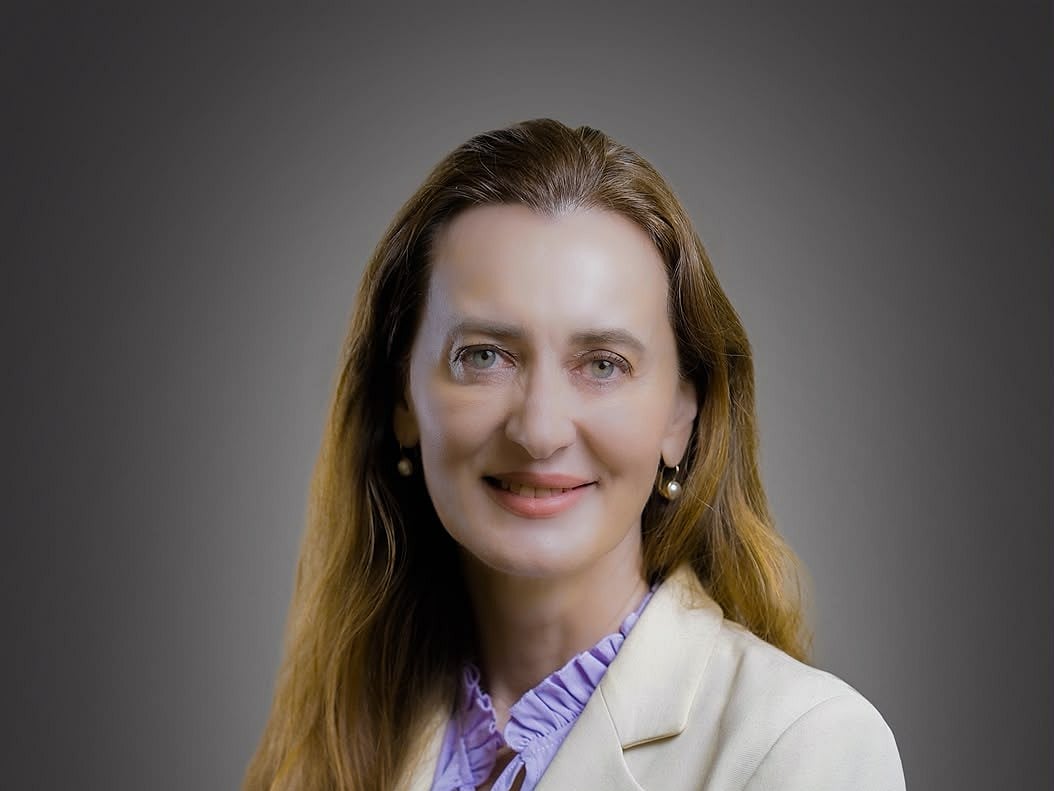
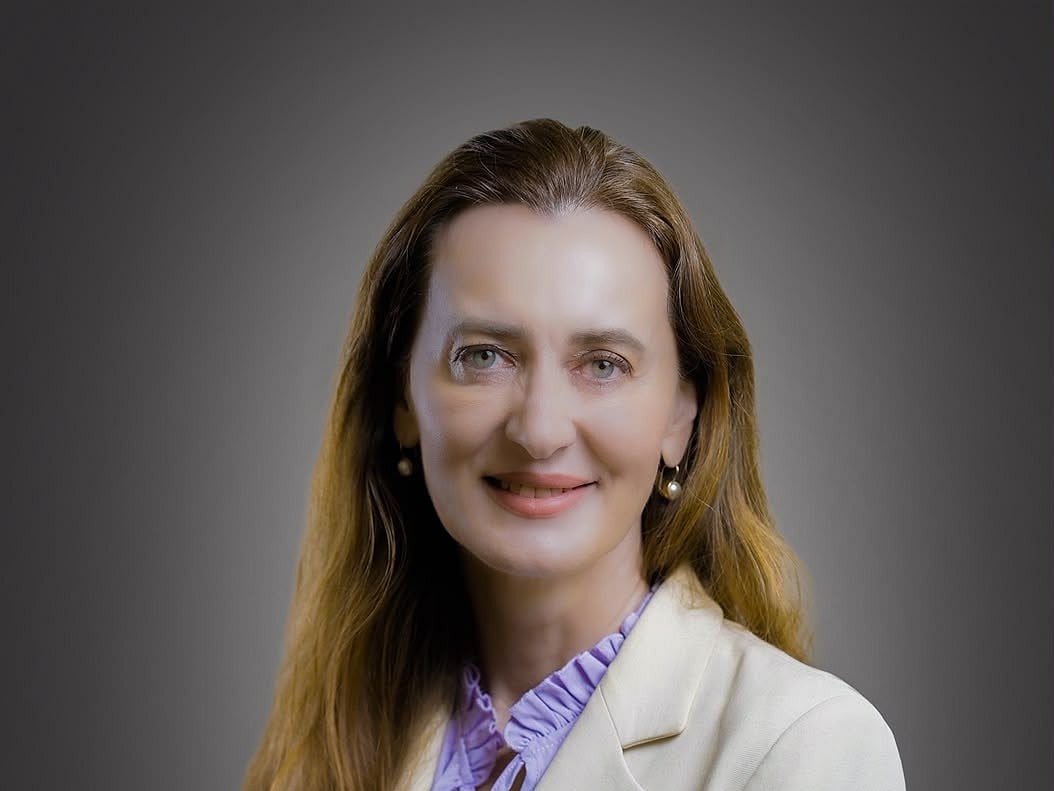
As Dr. Bibiana Singh, Consultant Obstetrician & Gynaecologist and Medical Acupuncturist at Medcare Women & Children Hospital, explains, one of the most common myths about any unexplained symptom can be attributed to a ‘hormone’ imbalance. “Hormones are important, but they are only one part of a much larger picture. Fatigue, weight changes, acne, mood changes, bloating and changes in sleep can have many possible causes,” she says.
When the answer is always ‘hormones’
Fatigue is the easiest symptom to pin on hormones, and one of the most likely to have another explanation. As Dr Singh explains, while hormonal conditions can cause persistent fatigue, it may also be linked to anaemia, nutritional deficiencies, sleep problems, stress, infection or other medical conditions.”
And it’s the same story with weight. “Weight gain or difficulty losing weight is sometimes automatically blamed on hormones, when factors such as diet, activity levels, sleep, medications, stress and underlying health conditions may all contribute,” she says. There are multiple reasons why a person may suffer headaches, hair loss, acne and mood changes. None of this means hormones never play a role. It means the symptom alone cannot establish the cause.
As she says, “Rather than assuming that a particular symptom means there is a hormonal problem, it is better to look at the overall pattern, medical history and, where necessary, appropriate investigations.”
Adrienn Dániel, founder and CEO of The Hormone Method, has also told us “There is a layer of complexity surrounding weight gain. Hormones do affect weight, yes, but there have been women who spent months blaming hormones, when it was actually a thyroid condition that they hadn’t tested for.”
Quite often, women skip this step as they might have watched social media content that tells them to ‘balance their hormones’, rather than go get bloodwork, Daniel notes.
The myth of perfect balance
The language of ‘balancing’ hormones has become a staple of wellness content, usually with supplements, detoxes and restrictive eating plans attached. Dr Singh says variation in hormone levels is not automatically a problem.
As she says, “Hormone levels naturally change throughout the menstrual cycle and at different stages of life. Not every variation is a problem that needs to be corrected.”
The internet also has a way of making complex conditions look deceptively simple. In reality, conditions such as PCOS (new terminology Polyendocrine Metabolic Ovarian Syndrome , PMOS), thyroid disorders and perimenopause can affect women differently and often require an individualised approach.
These are exactly the conditions where a diagnosis based on symptoms and social media can mislead. “PMOS, thyroid disorders and perimenopause are all particularly vulnerable because their symptoms can overlap with many other conditions and can vary considerably between women,” she adds.

Three conditions, three oversimplifications
Dr Singh breaks it down:
PMOS. Online, it is often boiled down to weight gain or irregular periods, but the reality is broader.
PMOS is sometimes reduced online to weight gain or irregular periods, even though it is a complex condition that can involve reproductive, metabolic and hormonal features. Thyroid disorders can also produce symptoms such as fatigue, weight changes, mood changes and hair loss, which have many possible explanations.
Perimenopause: It is a real transition, but not a catch-all for midlife complaints. “This is another area where misinformation is common. It is a genuine stage of hormonal transition, but not every symptom experienced during midlife is necessarily caused by menopause,” adds Dr Singh.
Moreover, women may also be given overly simplistic advice about hormone replacement therapy, supplements or ‘balancing’ hormones.
Before you order a hormone test
For a woman who has been told online that her symptoms ‘sound hormonal,’ the next temptation is often a hormone panel. Even a test result, though, needs context.
Hormone levels naturally fluctuate and depends on factors such as age, time, menstrual cycle, symptoms, medications and the specific hormone being measured, Dr Singh explains.
Testing has its place. It can help when doctors are investigating suspected thyroid disorders, certain reproductive or fertility problems, early or unusual menopause, or specific endocrine conditions. In each case, there is a clinical question to answer.
A number outside the reference range is not automatically a disease, just as a result within the range does not necessarily rule out a condition.
Furthermore, a test result should not be interpreted in isolation. “Having a hormone level that falls outside a particular reference range does not automatically mean there is a disease, and a result within the range does not necessarily rule out a condition,” explains Dr Singh. Testing should ideally be guided by symptoms and clinical assessment rather than simply checking hormones because someone feels “off”.”
The hormone-friendly diet trap
Another well-worn online route is elimination. One post blames dairy. Another blames gluten. Then come sugar, carbohydrates and other supposedly hormone-disrupting foods.
Dániel says this is one of the patterns she most wants women to recognise. “There’s a specific pipeline I watch happen. Woman gets told dairy spikes insulin, cuts dairy. Then gluten is ‘inflammatory,’ cuts gluten. Then seed oils, then sugar, then eventually she’s eating six foods and calling it a hormone protocol, and nobody along the way asked if she was getting enough of anything,” she explains.
And, this tips into a genuine, disordered eating more than once, always framed as wellness. Furthermore, there’s the carb restriction, in addition to this tangle.
The amount of carb-shaming happening in the name of hormone balance, is one of doctors biggest frustrations. Carbs aren’t the enemy of your hormones; under-eating them long-term can actually disrupt cycles and worsen the exact symptoms someone’s trying to fix,
Moreover, it also points to a bigger problem: The difference between a social-media protocol and properly individualised nutritional advice. The deeper issue, is that most of the people dispensing restrictive protocols have no nutrition training behind them, as May Chalhoub, a a licensed clinical dietitian at Valeo Health explains.
Building a safe, effective eating plan takes years of clinical education. It’s not something you absorb from a carousel post. And with supplements: please don’t buy first and ask questions later, she urges. Supplements are not a safer shortcut. Some supplements can also interact with medicines or be harmful in excessive doses. ‘Natural’ does not automatically mean safe, and supplements are not always subjected to the same level of evidence as prescription treatments.
When to stop self-managing
Lifestyle changes can be a valuable part of looking after your health. The problem starts when they replace medical assessment.
Symptoms that should prompt a consultation include:
-
persistent or very heavy menstrual bleeding
-
periods that suddenly become irregular or stop
-
unexplained weight changes
-
ongoing fatigue
-
significant hair loss
-
persistent pelvic pain
-
new or worsening acne
-
symptoms that interfere with sleep, work or relationships
Dr Singh adds: “It is also important to seek medical advice rather than repeatedly trying different supplements or restrictive diets without understanding the underlying cause. Finding the diagnosis first generally makes treatment much more effective.”
Some symptoms deserve particular attention rather than being filed away as ‘hormonal.’ “For example, very heavy or unexpected bleeding, bleeding after menopause, persistent pelvic pain, unexplained weight loss, a new breast lump, persistent headaches or visual changes can require medical assessment,” she says.
Severe or persistent fatigue, likewise, can have causes beyond hormones, including anaemia or other underlying medical conditions. The key is to pay attention to symptoms that are new, persistent, worsening or out of proportion to what a woman normally experiences. Calling something a ‘hormonal imbalance’ without establishing the cause can sometimes delay an appropriate diagnosis.
Who is giving you the advice?
Social media itself is not the culprit. The bigger question is what women do with what they see there. Singh recommends starting with the source.
“First, look at the person’s actual qualifications and whether they are appropriately trained and licensed to provide the type of medical advice they are offering. A large social-media following is not a substitute for clinical expertise.”
The way claims are made matters too. It is also worth looking at how they present evidence. Be cautious of absolute statements such as ‘this always works’ ‘doctors don’t want you to know this’ or claims that one product can treat a wide range of unrelated symptoms, she says.
Reliable health advice acknowledges uncertainty, explains who it applies to and distinguishes between levels of evidence.
Get a blood test to confirm you actually have the deficiency the supplement claims to fix, or at minimum, call your physician before you start. It costs you one phone call and could save you money, side effects, and a false sense of progress
Singh also warns that restriction can backfire. “My main concern is that restrictive diets can sometimes create a new health problem while someone is trying to solve another one. Eliminating entire food groups without a medical reason can increase the risk of nutritional deficiencies and make eating unnecessarily stressful.”
What matters instead is fuel and variety. In order to have hormonal and reproductive health, you need adequate energy, and a varied, balanced diet. “If a woman suspects that a particular food is causing symptoms, it is better to discuss this with a healthcare professional or dietitian rather than removing multiple foods based on online advice,” notes Dr Singh.
Find the question, not the diagnosis
None of this means women should ignore health information online. As Dr Singh explains, “Social media can be a useful starting point for learning about symptoms, understanding medical terminology and discovering questions to discuss with a doctor. The problem begins when online information is treated as a diagnosis.”
The better approach is to bring what you have learned into a proper consultation. “I would encourage women to use social media to become better informed, but then take persistent or concerning symptoms to an appropriate healthcare professional. Keep a record of symptoms, menstrual patterns, medications and any relevant changes in lifestyle, as this can make a medical consultation more useful.”
Singh also advises looking beyond influencers to qualified healthcare professionals, hospitals, medical organisations and reputable health institutions.