
Dubai: I never let my daughter play with Barbie. Hear me out now: There are already enough problems in the world (looking at you, over-sharing influencers with Get Ready With Me in fancy designer bags reels), I didn’t need to toss impossible beauty standards into the mix. Those plastic dolls were impossibly skinny, with proportions that made zero sense, like someone condensed every Hollywood/Bollywood “ideal” into one gloriously unattainable figure.
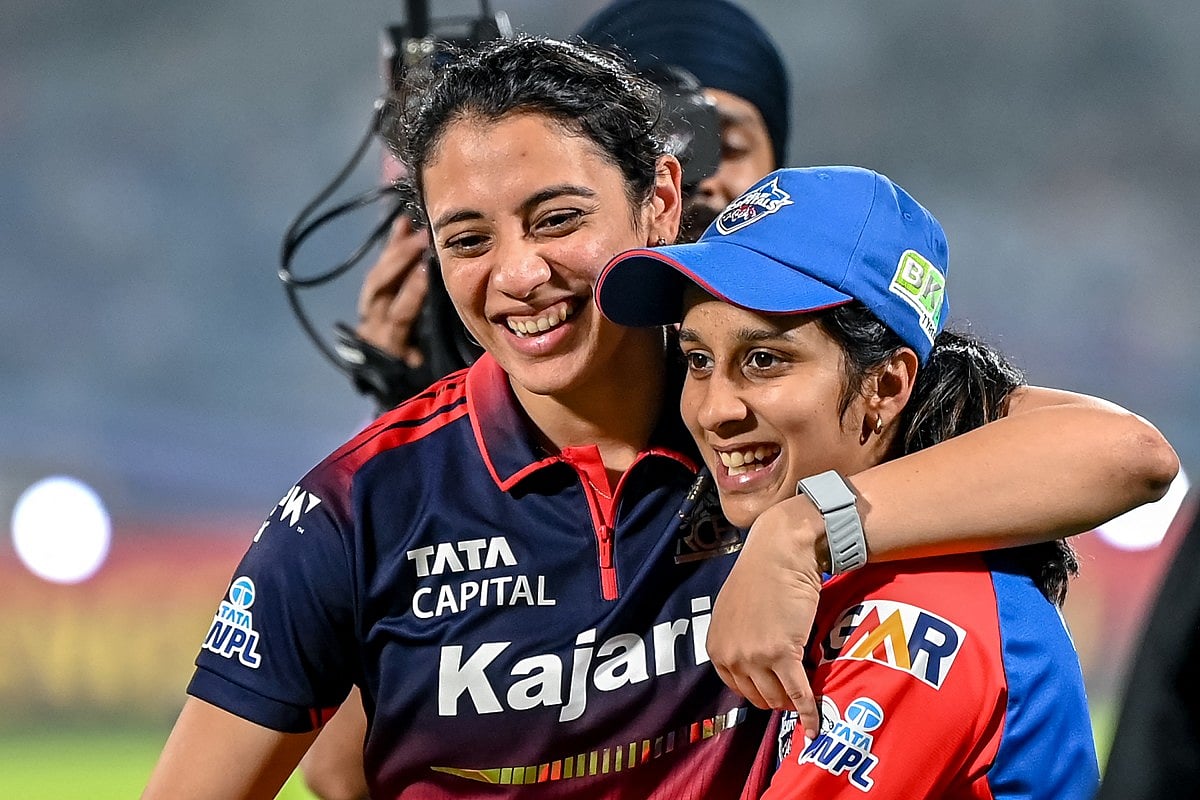
So when I saw that Smriti Mandhana, vice-captain of India’s women’s cricket team, now has her own Barbie (just in time for International Women’s Day) I couldn’t help but smile wryly. Finally, a doll in a blue jersey, tiny cricket bat in hand, celebrating skill instead of thigh gaps.
Stay updated: Get the latest faster by downloading the Gulf News app – it’s completely free. Click here for Apple or here for Android. You can also find it on the Huawei AppGallery.

For context, Barbie has honored Indian icons before. Katrina Kaif, for example, had a limited edition doll under her fashionable belt: long legs, flowing hair, statuesque poise, the doll celebrating her was the whole fantasy package. Mandhana’s Barbie? Refreshingly different. Athletic frame, strong arms, practical stance, zero cascading hair. She looks like someone who actually steps onto a cricket pitch, not a runway. For a brief, glorious moment, I felt a small but real victory for representation.
Then I remembered the date: International Women’s Day 2026. Is this genuine recognition of women in sport, or just a shiny token to look progressive? Like someone smart said, symbolism is cute, but it doesn’t pay the bills.
Female cricketers in India still earn a fraction of their male counterparts, sponsorships are limited, and globally, women make roughly 20 per cent less for the same work. A Barbie may inspire, but let’s face it: it won’t fix systemic inequality.
However, the sporadic optimistic in me wants to believe in the power of those revered plastic dolls. Mandhana joins an elite Barbie roster: Serena Williams, Chloe Kelly, astronaut Kellie Gerardi, surfer Stephanie Gilmore. She represents ambition, visibility, and breaking into male-dominated fields. She’s not being celebrated here for her looks alone and that matters.
For young girls, seeing a doll swing a cricket bat sends a clear, simple message: cricket is yours too. It reminds everyone, girls and boys alike, that recognition can come from what you do, not how you look. Sometimes, a toy communicates that more effectively than statistics, speeches, or televised role models ever could.
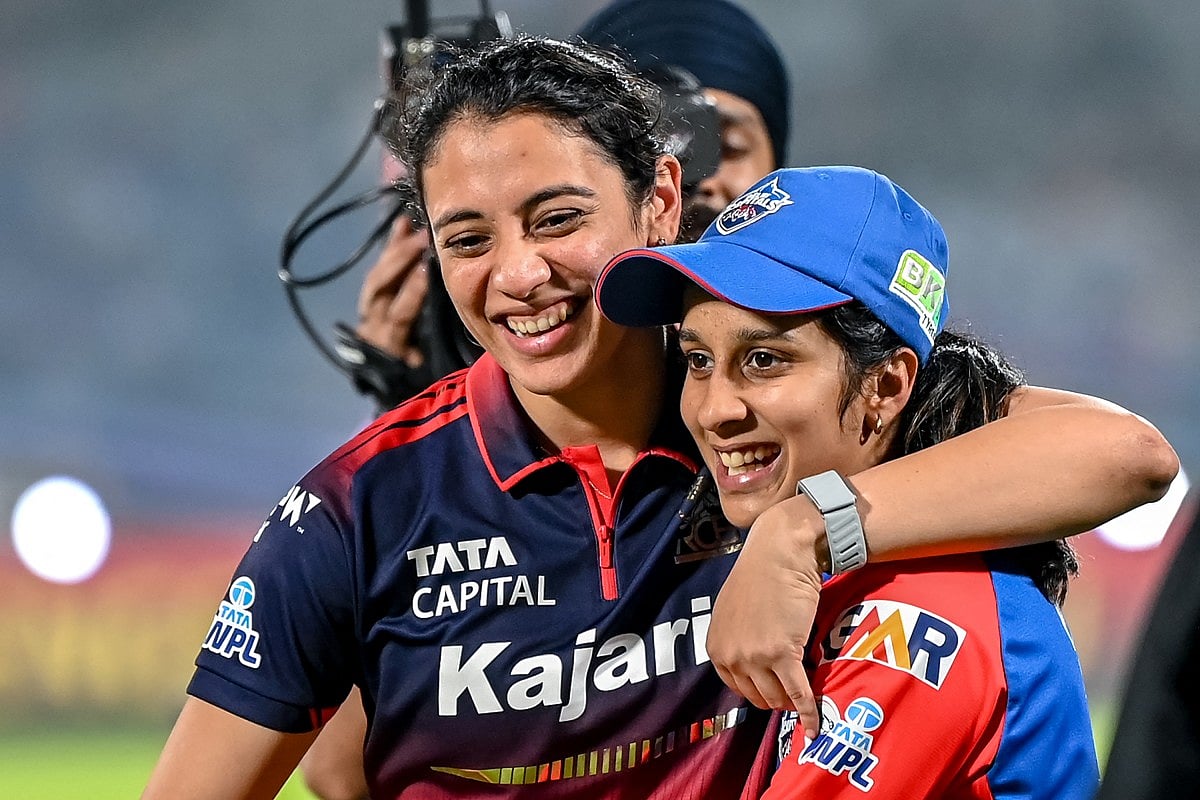
So is this a real stride forward? Maybe. Maybe it’s a wink from a marketing team who knows International Women’s Day sells. Probably both. Progress often arrives in small, visible steps before structural change follows. Mandhana’s Barbie won’t erase pay gaps or centuries of bias, but it shifts the narrative. It lets girls everywhere see themselves in a global icon and sparks a conversation: women’s sport deserves recognition, admiration, and yes, toys too.
Also, in my eyes, Mandhana is the icon of the year. She walked out of a wedding with Palash Muchhal at the last minute showing Indian women it’s perfectly okay to change your mind, to take control of your life, and to define your own story.
Mandhana’s Barbie may not do much to erase pay gaps or centuries of bias, but it shifts the narrative. It’s also a playful poke at old stereotypes. And for that, I’ll take it any day. My daughter can have this Barbie, and maybe, just maybe, she’ll grow up knowing her skills and ambition matter far more than how shapely or long her legs are.