
Table of Contents
Walk through Dubai Mall on any given weekend and it’s clear: today’s teenagers and tweens aren’t dressing like miniature adults, they’re dressing like their own creative directors. Gen Z (born roughly 1997-2012) and the rising Gen Alpha (born after 2010) are no longer waiting for runways or retailers to tell them what’s next.
They’re setting the pace themselves, often faster than any fashion calendar can keep up. In a city as globally connected as Dubai, that shift lands with particular force: local teens are absorbing and shaping the same trends as their peers in Seoul, London and Los Angeles, sometimes within the same week. Here’s what’s defining youth style right now, both on the ground and across the platforms driving it.
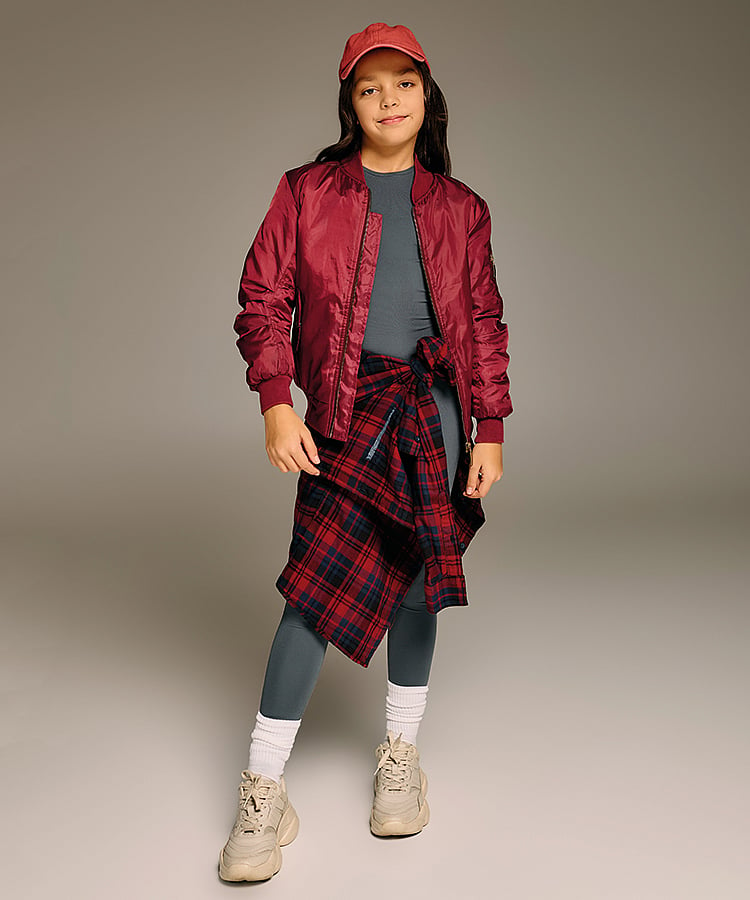
1. The Death of “Head-to-Toe”
The old rule that an outfit had to commit to one era or aesthetic is gone. A single look might pair a vintage bucket hat with futuristic trainers and a Y2K baby tee, with no fixed reference point, just personal instinct. Stylists call it “Niche-Self”: dressing for individual interests rather than chasing a single trend cycle.

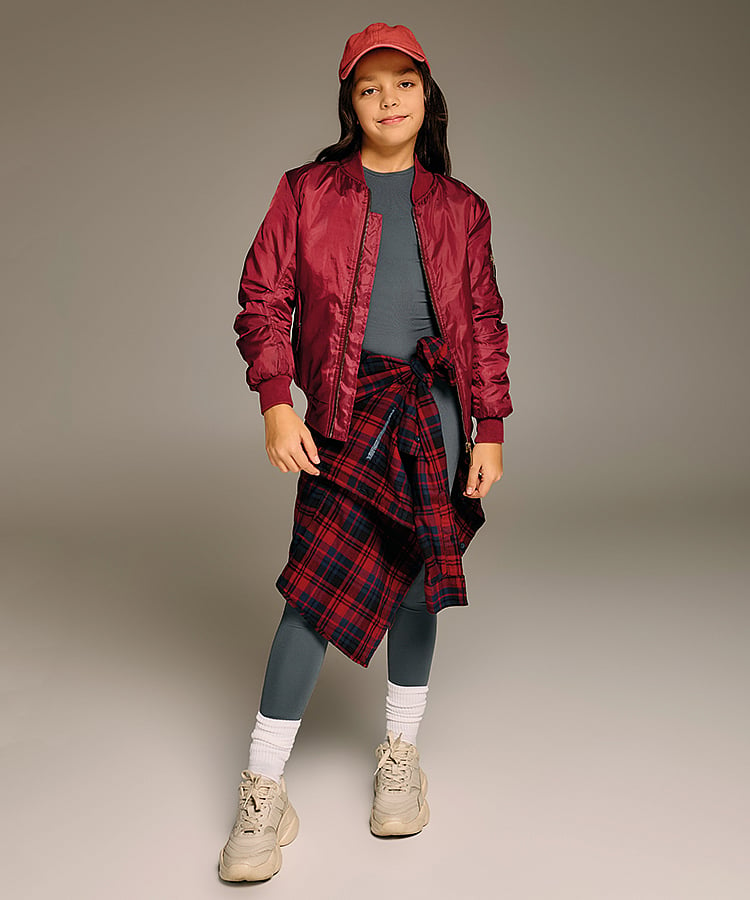
The mix-and-match confidence is fuelled by how easily fast fashion, resale finds and designer pieces now sit side by side in one wardrobe, with social media collapsing the distance between them and making every reference point available at once.
2. Oversized Everything
Baggy silhouettes, including cargo pants, roomy blazers, XXL hoodies and boxy denim, have replaced the skinny-fit era for good. For a generation that talks openly about comfort and mental wellbeing, loose clothing reads as both practical and expressive.
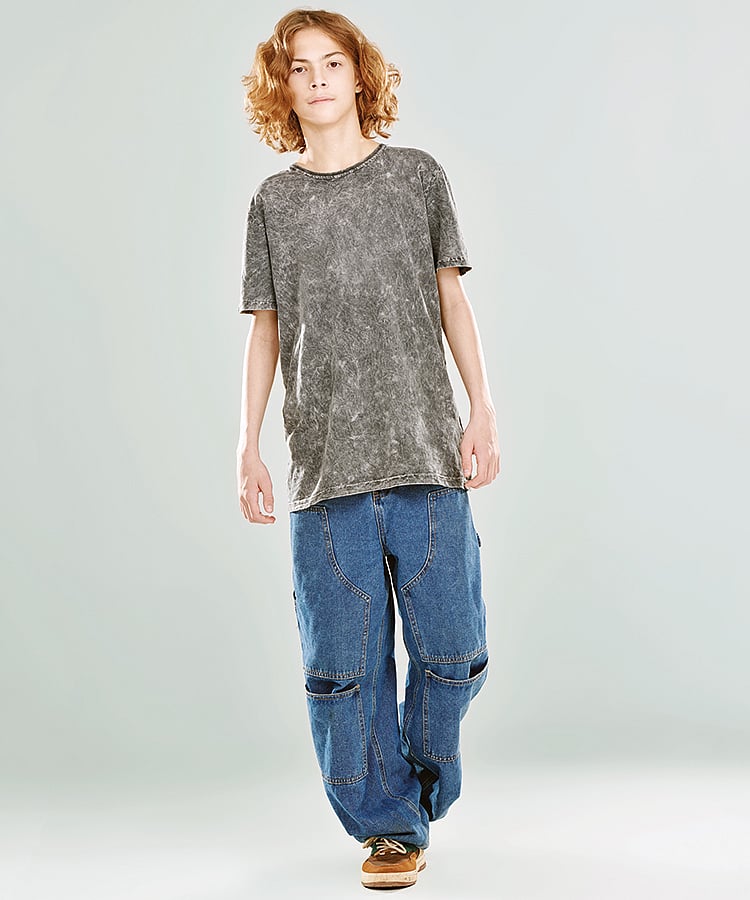
It has also proven remarkably easy to style: one oversized piece can anchor an entire look, paired with something more fitted to balance proportions rather than swamp the frame. Retailers have responded in kind, with baggier cuts now the default across mainstream teen collections rather than a niche size option.
3. Y2K, Filtered Through Minimalism
The 2000s revival persists but has grown up. Metallic mini bags, butterfly clips and glossy eyelids are now styled with a cleaner, more restrained hand than the original era ever had, borrowing cues from the “clean girl” aesthetic. It’s nostalgia without the clutter.
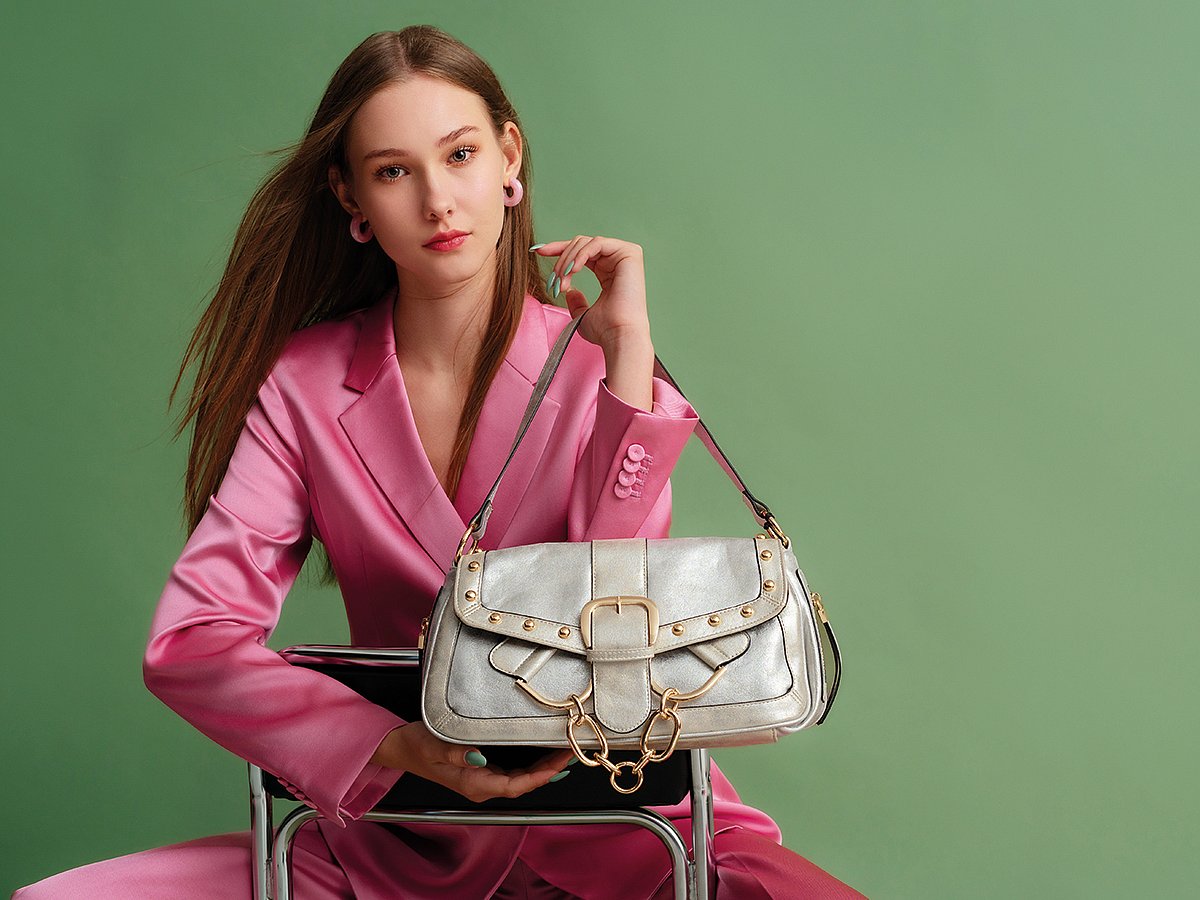
The accessories are loud, but the base outfit underneath stays simple, letting a handful of statement pieces do all the talking. It’s a look that photographs well, which is no small part of its staying power on image-driven platforms.
4. Streetwear as the Global Default
Chunky sneakers, graphic tees, bucket hats and track jackets remain the easiest way to look pulled-together anywhere in the world. It’s less a single “look” now than a shared grammar underpinning almost every other trend on this list, the reliable base layer that oversized shapes, retro references and bold colour all get built on top of, whatever city it’s worn in.
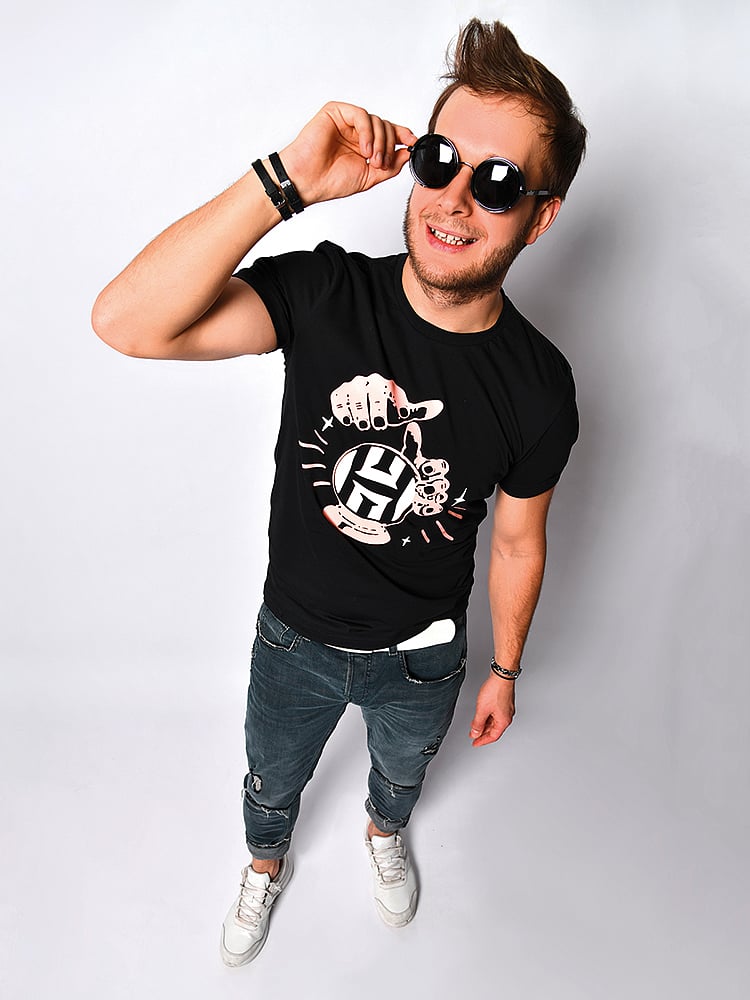
Its longevity comes from flexibility: streetwear pieces move easily between school, sport and social settings without needing to be reworked.
5. Visible Mending and Upcycled Design
Sustainability has moved from label to design language. Denim repaired with decorative embroidery, patchwork panels stitched from secondhand fabric, and jewellery made from e-waste are showing up as deliberate style statements rather than budget fixes.
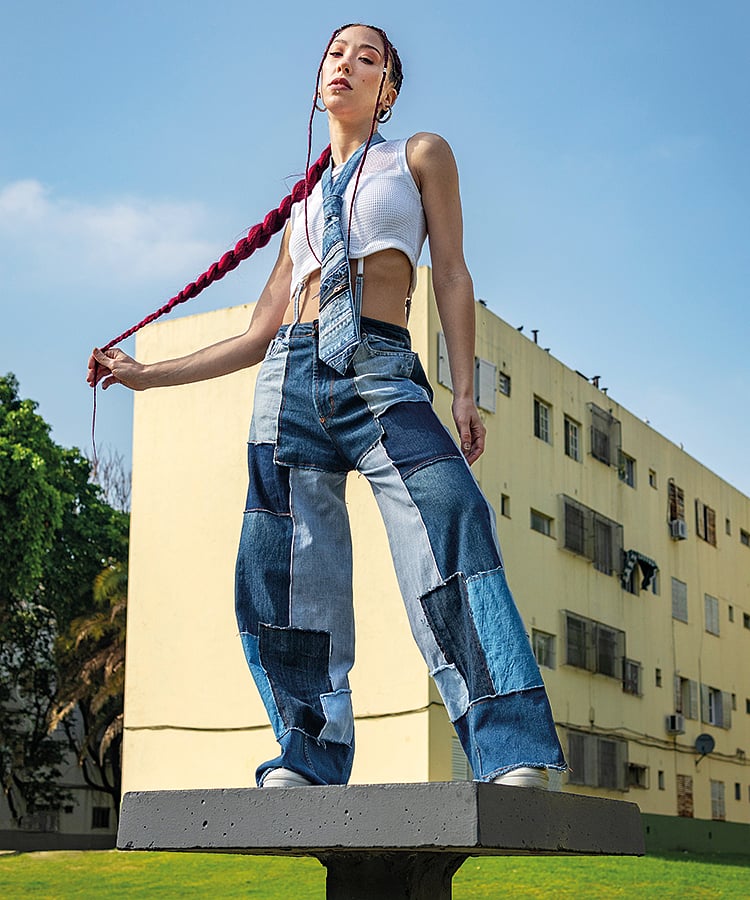
Imperfection has become the point: repairs and reworked materials now signal a story and a conscience, not a compromise, and are increasingly worn with pride rather than concealed. Independent and small-batch brands leaning into this aesthetic are gaining a disproportionate share of attention relative to their size.
6. Retro Sportswear and Track Prep
Gen Alpha especially has embraced vintage athletic branding, including archive-style tracksuits, tennis-inspired skirts and old-school knits, paired with ballet flats or classic sneakers rather than trainers built for sport.
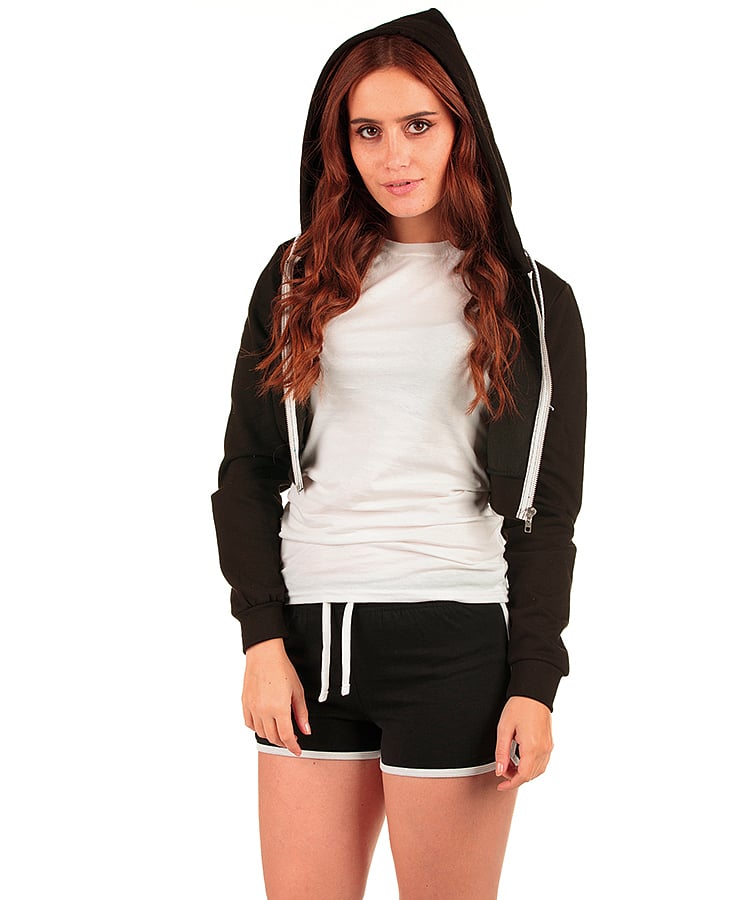
It borrows the polish of “prep” without the stiffness, landing somewhere between a school uniform and a skate park, and works just as well dressed up as dressed down.
Much of its momentum comes from archive and vintage sportswear resurfacing on resale platforms, giving old logos a second life among shoppers who never saw them the first time round.
7. Bioluminescent Colour
Neon has evolved into something more futuristic. The palette now reaching youth wardrobes draws on electric limes, glowing cyans and magentas that look almost lit from within, inspired as much by digital avatars and gaming culture as by nature.
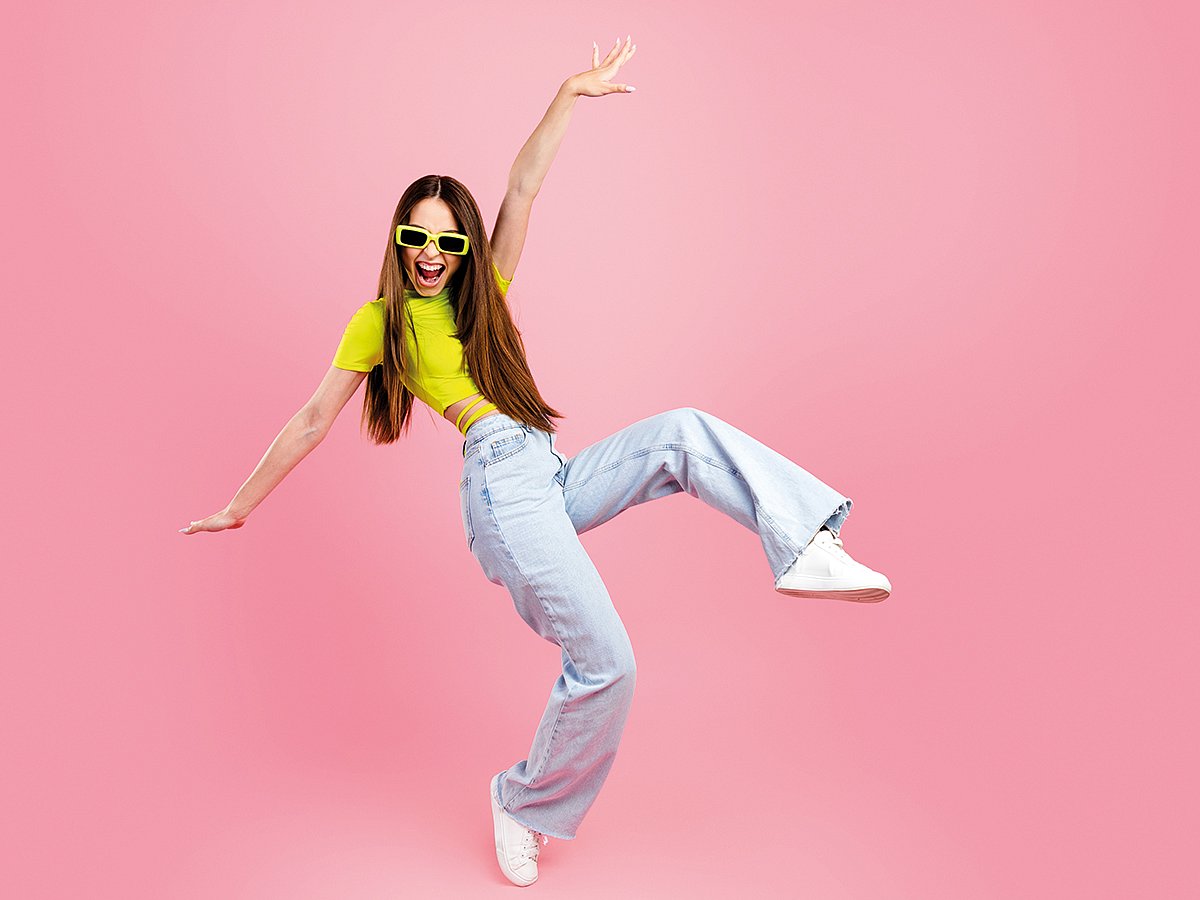
It’s maximalist colour built for a generation raised on filters, screens and constantly shifting online personas. Expect it to surface heavily in accessories and footwear first, as a low-commitment way to test the palette before it moves into full outfits.
8. Quality Over Quantity
Beneath the fast-moving aesthetics sits a quieter, more permanent shift: growing resistance to disposable fashion. Capsule wardrobes, resale platforms and a preference for pieces that outlast a single trend cycle are becoming their own marker of taste.
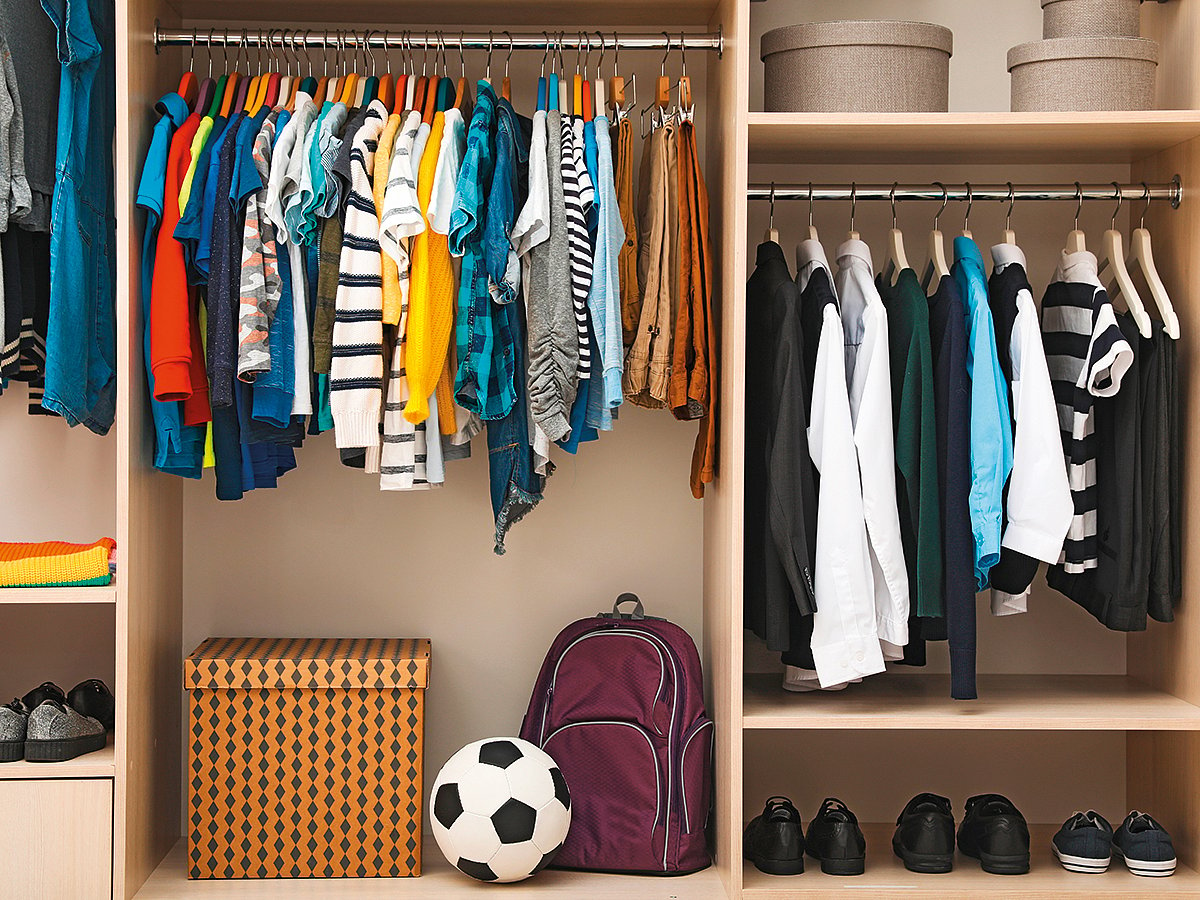
A “trend” that once ran a full season can now burn out in a week, and many are opting out of the chase in favour of fewer, sturdier pieces. This is showing up in purchase behaviour too, with cost-per-wear increasingly cited as a factor over sticker price alone.
The Takeaway
What unites these threads isn’t a shared silhouette but a shared attitude: dress with intention, borrow globally, remix constantly. For Gen Z and Gen Alpha, fashion is no longer handed down from the top. It’s built, remixed and re-shared from the ground up, one feed at a time.