
Table of Contents
The success of the 22nd International Property Show (IPS 2026), held from September 7 to 9 at Dubai World Trade Centre in strategic partnership with Dubai Land Department, reflected more than the strength of Dubai’s property market. It showed how Dubai continues to connect investment, regulation, technology and human experience within a real-estate ecosystem.
Dubai Land Department highlighted a market supported by transparency, digital delivery, including 104 completed real-estate projects in the first half of 2026, representing more than Dh111 billion in investment value, while the First-Time Home Buyer Programme had supported more than 3,200 residents by June 2026.
Yet success should not be measured only in projects or transactions. The real test is whether investment and innovation can create homes that protect wellbeing, reduce pressure, save time and strengthen human connection.

Home is where real estate becomes human
When a family chooses a home, it is never choosing square footage alone. It is choosing the environment in which children will grow, parents will rest, grandparents will gather and moments will become memories. Families consider access to work, schools and hospitals, but also safety, comfort and community.
The wisdom of “the neighbour before the house” remains relevant because people purchase a property, but they live within a social and emotional environment. This is why the UAE’s Year of Family 2026 matters to real estate. It encourages the sector to move beyond asking what people can buy and to consider what homes can protect, enable and strengthen.
For decades, the UAE has recognised that the greatest infrastructure of any nation is the human being. Roads connect lives, schools develop minds, hospitals protect health, security creates confidence and innovation expands opportunity. President His Highness Sheikh Mohamed bin Zayed Al Nahyan expressed this spirit through the message: “In the UAE, everyone is Emirati through their love for this land and their contributions to it.”
It is a philosophy of belonging through contribution. Citizens and residents participate in the nation’s progress through work and responsibility. Business families that have grown with the UAE therefore carry a responsibility not simply to build more, but to build with purpose.
The economics of care
Families experience recurring costs through water, household products, cleaning, deliveries and everyday services. A developer that considers these pressures is practising an economics of care: moving from “How much value can I extract from the buyer?” to “How much value can I continue returning to the resident?”
Real estate can become more than an asset: a platform that protects wellbeing and makes responsible choices easier.
The greatest luxury may be time
Robotic hospitality, concierge services, housekeeping, delivery and predictive maintenance create value when they remove repetitive burdens. If automation saves a family thirty minutes or prevents a stressful failure, that recovered time can become dinner together, exercise, reading, rest or a conversation with children.
This leads to an important idea: the greatest luxury of the future may be time.
Marble, views and tower height will remain desirable, but wellbeing depends on air quality, sleep, movement, greenery, psychological comfort and relationships. The robot itself is not the innovation. The real innovation is what the human being can do with the time it returns.
From smart property to human prosperity
Investors measure location through connectivity, demand and appreciation. Families experience location through minutes. Proximity to schools, workplaces, hospitals and transportation saves time. A location that saves a parent thirty minutes every day creates two forms of value: capital appreciation and time appreciation.
Flexible payment structures that continue beyond handover can preserve liquidity and make ownership more sustainable. Innovation therefore belongs not only inside the building, but also within the business model.
Dubai already competes globally through architecture, infrastructure, technology, investment and luxury. Its next frontier can be more meaningful: becoming a global capital of human-centred real estate.
The future of real estate should be measured not only by how efficiently buildings perform or how strongly property values rise, but also by whether communities save time, protect health, ease household pressures and strengthen relationships.
This is why the Year of Family and the future of real estate belong in the same conversation. Homes influence behaviour. Behaviour shapes relationships. Relationships strengthen families. Strong families build communities, and strong communities support resilient economies.
A house provides shelter. A home creates memories. A community creates belonging. A family creates legacy. And a nation that builds the human being builds the future.
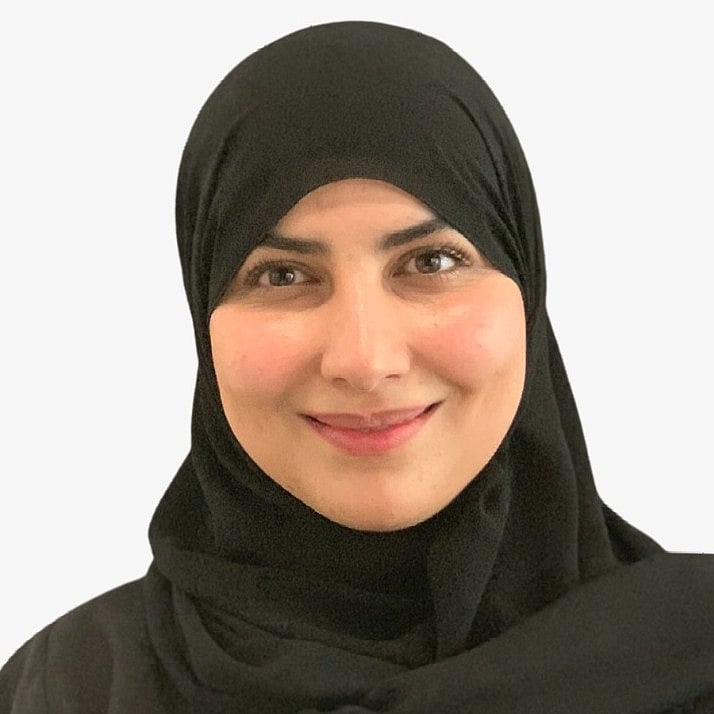
Asia Al Qurashi is an Emirati real estate investment consultant, wealth-building strategist, and an academic at the Real Estate Innovation Experts Institute