
Table of Contents
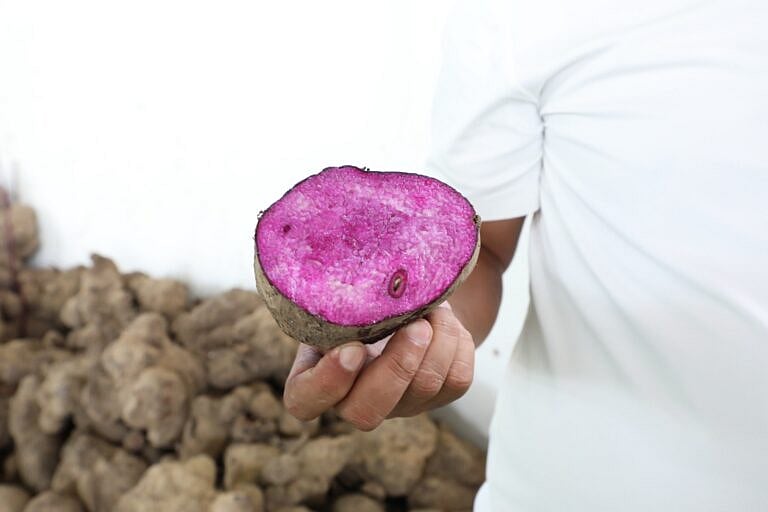
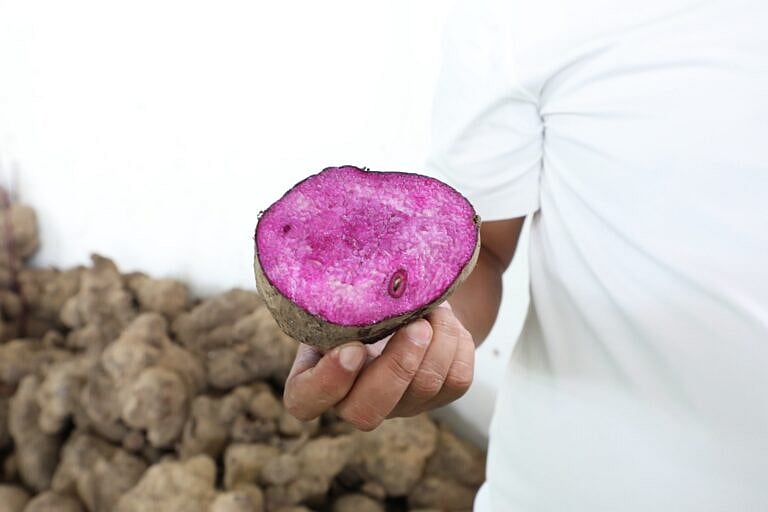
Dubai: The Philippines has indefinitely suspended exports of fresh purple yam, or ube, in a move that could have implications for UAE businesses that rely on the popular Filipino ingredient.
The suspension has been imposed by the country’s Bureau of Plant Industry (BPI) in mid-August and covers fresh ube and propagative planting materials, whether shipments are intended for consumption, planting, or research.
The Philippine Department of Agriculture has announced the suspension in September, saying the move is intended to secure planting material while the country works to increase domestic production.

Get updated faster and for FREE: Download the Gulf News app now – simply click here.
Why the halt?
The decision has come as international interest in ube grows while the Philippines faces shortages of planting material needed to increase production.
Agriculture secretary Francisco Tiu Laurel Jr. has noted that the country needs to retain planting material domestically while the industry builds its production capacity.
“We severely lack planting material ourselves, and we don’t want to export it to countries that could use Philippine ube varieties to compete with us,” said Laurel in a statement.
The Philippines has been working on tissue culture, community-based nurseries, and mini-set propagation to increase the supply of quality planting material. Researchers from the University of the Philippines Los Baños and the BPI have also been working on genetic mapping of Philippine ube varieties.
UAE businesses plan ahead
For UAE businesses that use fresh ube, finding alternative sources could become necessary if existing stocks run out.
Lourds Adalia-Evertse, co-founder of Spice Grill, has mentioned that the restaurant has been serving its “iced ube grande” for years, inspired by the traditional halo-halo, well before the latest international ube trend.
“Ube has always been part of Filipino food culture, but social media and the global hype around it have really brought it to a wider audience,” Evertse told Gulf News.

The current restriction has also made the business more conscious of supply planning.
“The current restriction is specifically on raw ube and planting materials, rather than processed ube products, so we can still source what we need. But it has made us more conscious about supply and planning ahead as global demand continues to grow.”
She added, “From a business perspective, we forecast our usage carefully and work closely with our suppliers to make sure we have consistency.”

Demand is growing
The UAE’s large and diverse population has helped Filipino flavours reach consumers beyond the Filipino community.
VJ Estander, managing director of Great Harvest Foodstuff and Trading Services, has pointed out that ube has become one of the flavours consumers actively look for.
“From our experience, ube has become one of the flavours that consumers in the UAE actively look for, particularly within the Filipino community and increasingly among other nationalities,” shared Estander.
He has highlighted that the ingredient’s Filipino identity, distinctive taste, and natural purple colour all contribute to its appeal.

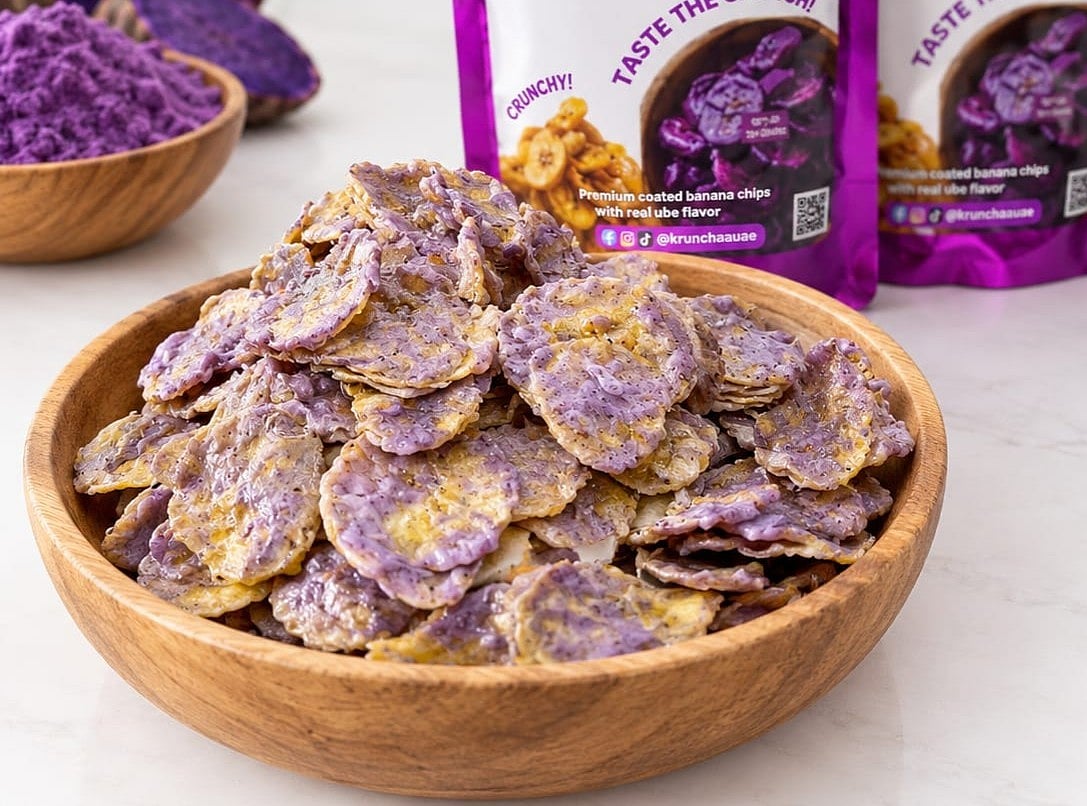
“We have seen a growing interest in ube-flavored desserts, beverages, and snacks, which makes it an important flavour opportunity for food businesses. Ube is one of our product flavours because we see that demand from consumers.”
Estander has stressed that changes in the wider supply chain could affect the availability and cost of ube-based ingredients.
“We are therefore monitoring the situation carefully and working with suppliers to maintain consistency in the quality and availability of our ube-flavored product.”
Bakeries face a bigger challenge
For UAE bakeries using ube as a core ingredient, the sourcing question could be more immediate.
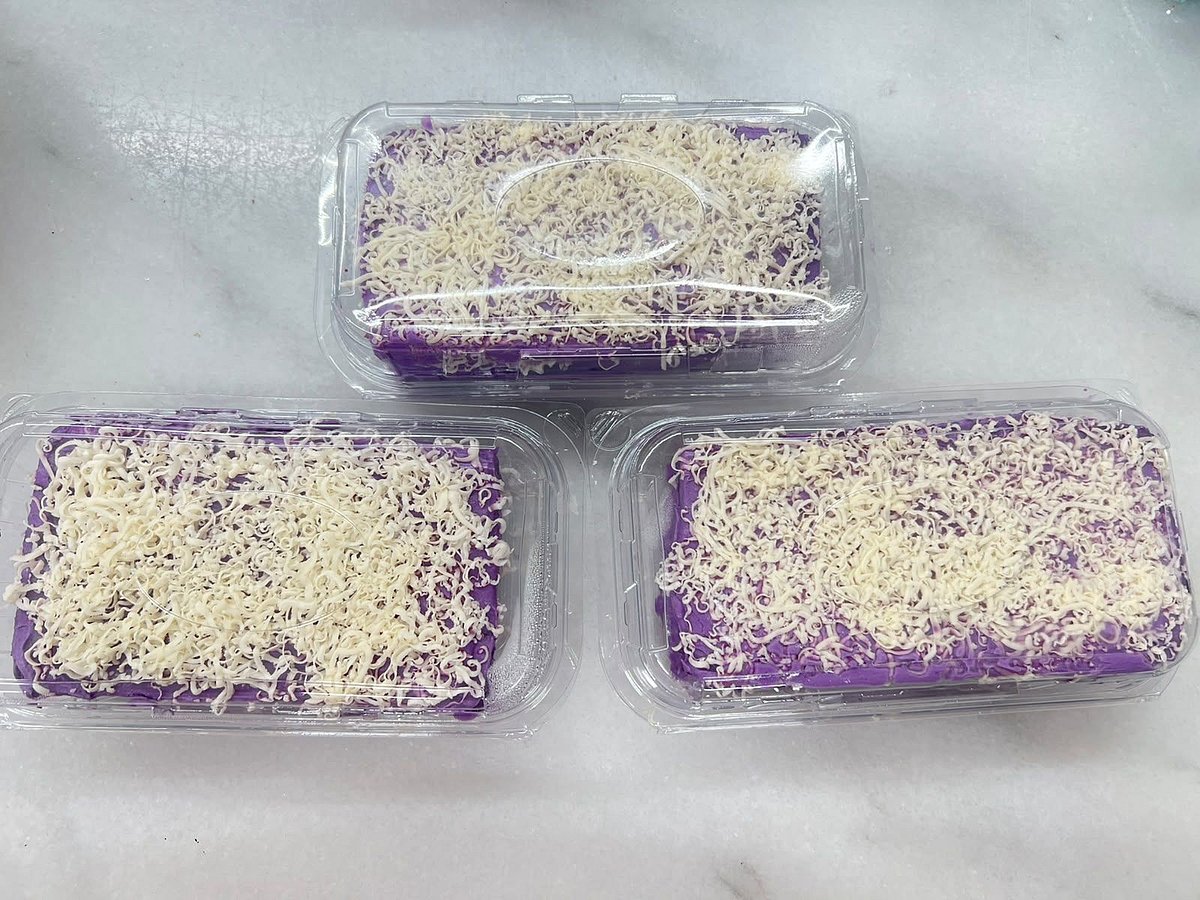
According to Carla Castro, operations manager of Jaysiedel Cakes, ube cake is the most-ordered item on their menu.
“We all know that many Filipinos are living in UAE and the numbers are growing each day. It is also a given fact that ube has always been part of our culture and one of the favorites of Filipinos,” explained Castro.
The business still has stocks but is expected to face sourcing challenges once its inventory runs out.
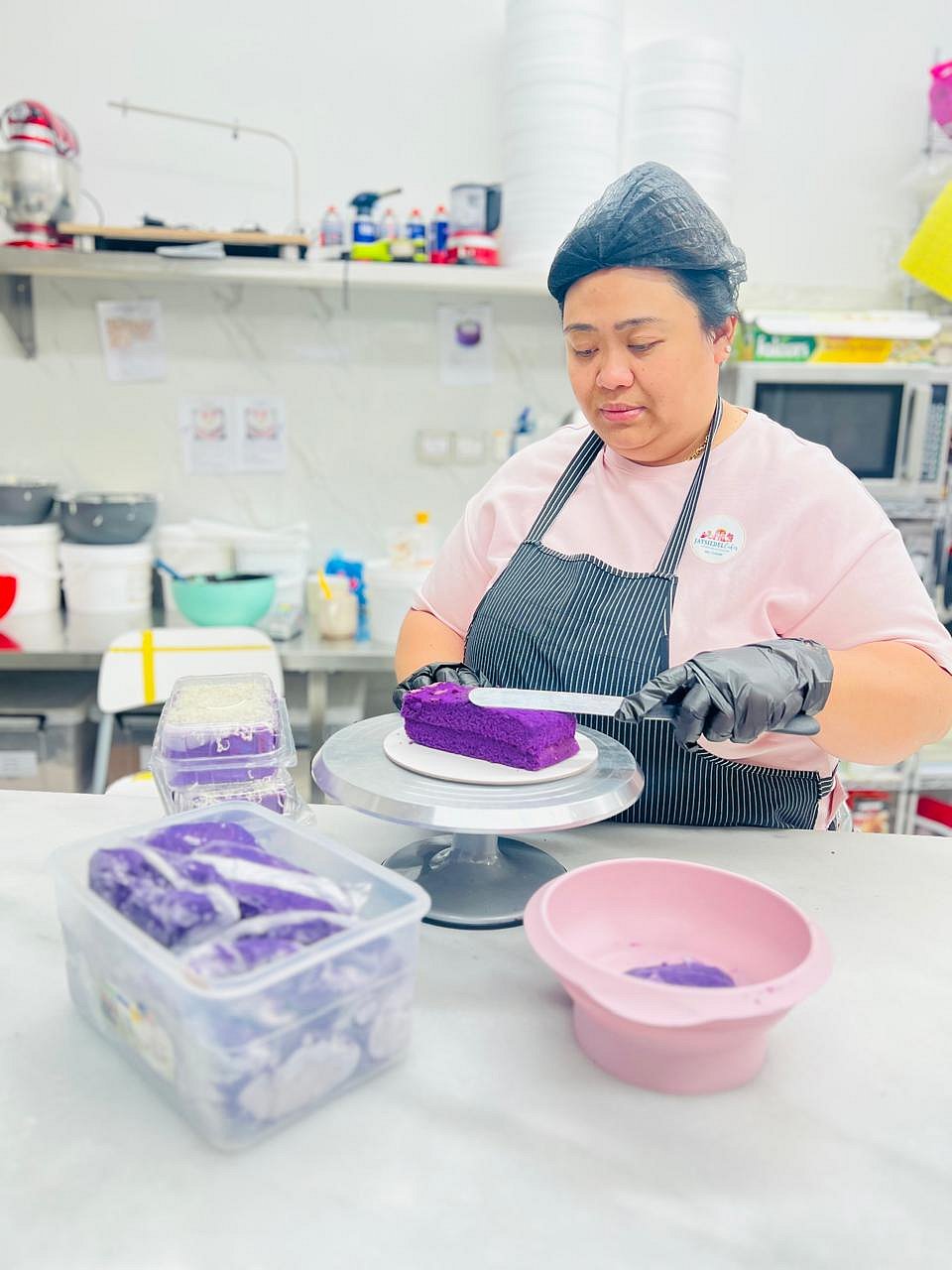
“We have to source crops from other coutries like Sri Lanka once our inventory goes out of stock.”
The bakery has also been considering alternatives such as kamote, or sweet potato. However, Castro has noted that substituting Philippine ube can be really challenging.
“Philippine crop has more texture and depth in terms of flavor and mouthfeel. It has a distinct taste which makes it hard to be replaced.”
Restaurants watch costs
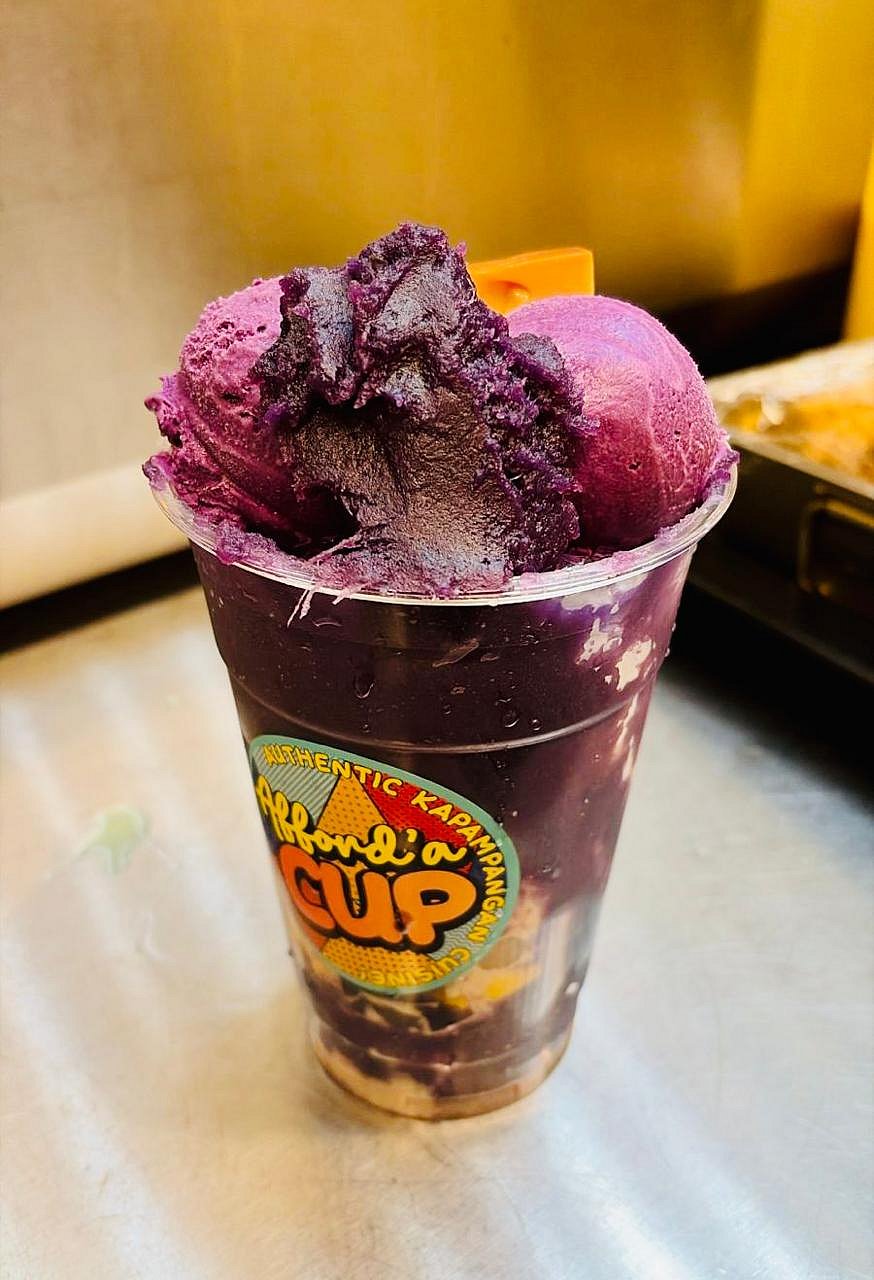
Ramona Mariano-Sotto, co-founder of AffordaCup, has underscored that ube has become increasingly popular in Dubai as more consumers discover Filipino food and desserts.
“For Filipinos, ube is something familiar and nostalgic, it reminds us of home and traditional celebrations,” described Sotto.
Ube has been used in several of their signature products, including its “ube halo-halo bravo” and homemade ube ice cream. These products attract both Filipino customers and people trying ube for the first time.

“As a restaurant that regularly uses ube, any restriction or disruption in supply from the Philippines is naturally a concern for us. Ube is an important ingredient in some of our best-selling products, so limited availability can affect our costs and our ability to maintain a consistent supply.”
The business has also been concerned about maintaining the taste and quality customers expect.
“We also want to maintain the authentic taste and quality our customers expect, so simply replacing ube with another ingredient is not always an easy option.”
Will prices rise?
UAE businesses do not expect the ube suspension to immediately stop their ube products from being sold. But they have been preparing for the possibility of higher costs if restrictions continue and the wider supply chain becomes tighter.
Estander has shared that they would continue looking for reliable, food-grade processed ube ingredients and trusted suppliers.
“If restrictions continue for an extended period, we could see higher ingredient costs for ube-based products across the UAE market,” stated Estander.
The company would aim to maintain its current ube product pricing “as much as possible.”
Building the supply
The export suspension is not being presented by the Philippine government as a retreat from international markets. Instead, officials have emphasised that the aim is to strengthen the industry’s foundations before expanding exports further.
Philippine President Ferdinand Marcos Jr. has approved a ₱300 million budget for the ube industry next year, while the government and industry have formed United Ube PH Association Inc., bringing together farmers, processors, traders, exporters, researchers and other stakeholders.
In addition, the government has been working to protect Philippine ube varieties and improve production through research and propagation programmes.
What it means for UAE
For now, the message for UAE consumers is not that ube is disappearing.
Fresh Philippine ube exports have been suspended, but processed ube products remain available, and UAE businesses are already looking at ways to maintain supplies. The bigger question is what happens if the restriction lasts for an extended period.
Businesses may need to diversify suppliers, manage inventories more carefully, and potentially absorb higher ingredient costs. Some may also experiment with alternatives, although UAE bakery and restaurant owners say reproducing the flavour and texture of Philippine ube can be difficult.
The growing international popularity of ube is ultimately an opportunity for the Philippines as well as businesses overseas.
“Ube is becoming known around the world even big international restaurant or cafe chains are having the ube products and I would love to see the Philippines remain at the heart of that growth, not only culturally, but economically as well,” said Evertse.
For the UAE’s food businesses, the immediate priority is keeping the purple desserts, drinks, and dishes their customers love on the menu while the Philippines works to grow enough ube to meet a rapidly expanding global appetite.