
Table of Contents
Australia is introducing stricter visa rules for international students and working holidaymakers as the government seeks greater control over migration and aims to reduce net overseas migration.
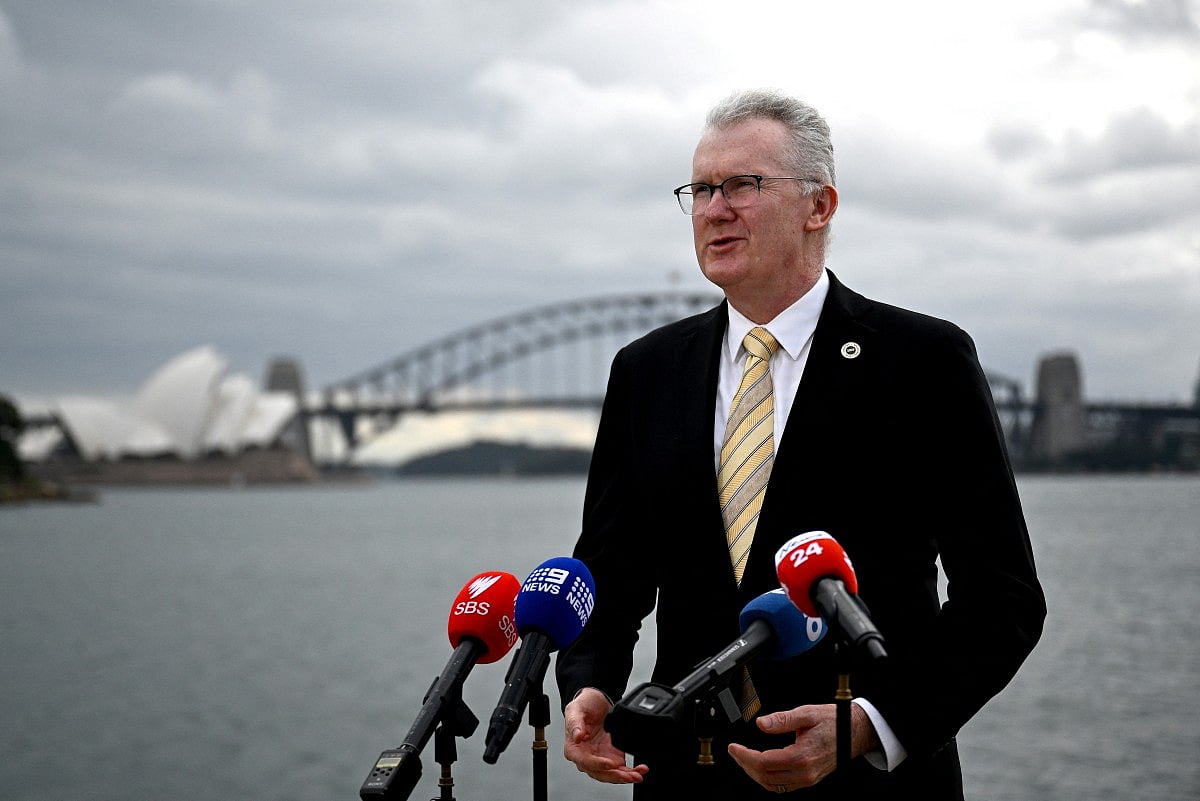
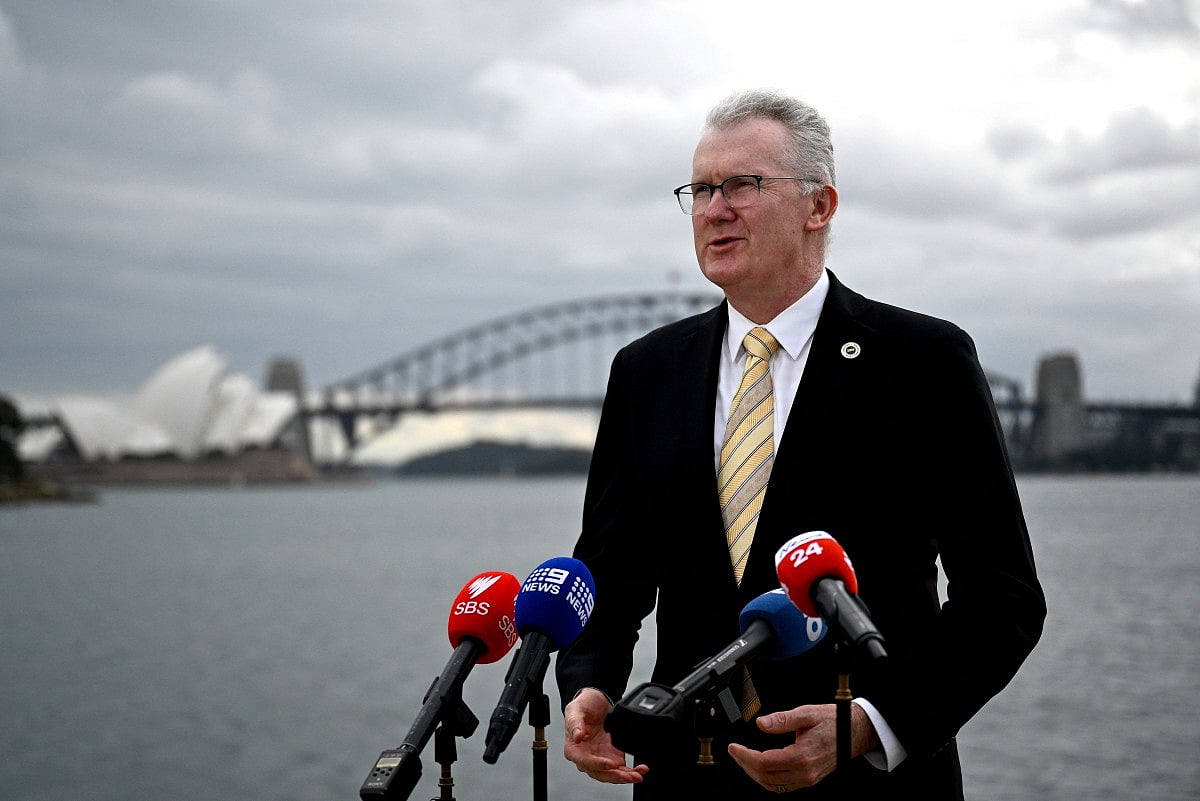
The changes announced by Home Affairs Minister Tony Burke on September 17 include a new ballot system for some backpackers seeking to extend their stay, restrictions on international students bringing family members and tougher rules aimed at preventing so-called “visa hopping”.
Get updated faster and for FREE: Download the Gulf News app now – simply click here.
Here’s what the changes mean.

What is changing for backpackers?
The biggest change for working holidaymakers is the introduction of a ballot system for second- and third-year visas.
Working Holiday Maker visas allow eligible young people, generally aged 18 to 30, to travel to Australia while undertaking short-term work and study.
Currently, backpackers can qualify for a second year by completing specified regional work during their first year. A third year can be obtained after meeting further regional-work requirements.
Under the new system, completing the required regional work will no longer automatically secure an extended visa.
Instead, eligible applicants will have to enter a ballot.
Second-year visa
The number of second-year places will be capped at 45,000, compared with 57,000 people who qualified last year.
Eligible backpackers who meet the work requirements will therefore have to enter a ballot for one of those places.
Third-year visa
The third-year programme will be reduced to 5,000 places, compared with 31,000 people who qualified last year.
That means the number of available places across the second- and third-year schemes will fall by 38,000 compared with last year’s qualifying numbers.
Will British backpackers be affected?
British working holidaymakers will be exempt from the new ballot arrangements because of provisions under the Australia-UK Free Trade Agreement.
The agreement also allows eligible British citizens to stay for longer without completing the regional-work requirement that applies to many other working holidaymakers.
The number of British young people using working holiday visas has more than doubled since the agreement took effect, according to Burke.
Why are backpackers being targeted?
Working holidaymakers are an important source of seasonal labour, particularly for Australia’s agricultural sector.
Many work in regional areas on farms, including fruit picking and other jobs that can be difficult for employers to fill locally.
The government says the changes are part of a broader effort to control migration and better align the temporary migration programme with Australia’s economic needs.
The farming and tourism sectors, however, have raised concerns that fewer backpackers could mean fewer workers and visitors in regional communities.
What is changing for international students?
International students face a separate major change.
Under the new arrangements, most international students will no longer automatically be able to bring their partners or dependent children to Australia under their student visa arrangements.
The restrictions are also being extended to affected Temporary Graduate visa holders.
The changes matter for students who had planned to move to Australia with their spouse or children, as families may now need to reconsider accommodation, childcare, schooling and travel arrangements.
Who is exempt from the family restrictions?
There will be exemptions.
Students from ASEAN and Pacific countries will be exempt from the new family restrictions.
Certain students will also be treated differently, including those undertaking PhD programmes.
The government has said the exemptions reflect Australia’s regional relationships and the different circumstances of research students.
Students already in Australia with their families will also not have their existing family arrangements broken up because of the new rules.
What is “visa hopping”?
Another target is what the government calls “visa hopping”.
This refers to people repeatedly changing courses or visa arrangements to extend their stay in Australia rather than following a genuine education pathway.
For example, a student who completes one qualification could previously move into another course, including in some cases a lower-level qualification, to remain in Australia.
Under the new approach, students will be encouraged to move up the qualification ladder.
A student completing a bachelor’s degree could progress to a master’s degree, for example.
The government says it wants to prevent course changes that are primarily being used to prolong migration status.
What does this mean for foreign students?
The changes could be particularly significant for students from South Asia because a substantial share of Australia’s student-dependent visas has gone to applicants from countries including India, Nepal, Bangladesh, Bhutan and Sri Lanka.
For an Indian student planning to study in Australia, the key question will be whether their circumstances fall within one of the exemptions.
Families should check:
-
Whether the student’s nationality qualifies for an exemption
-
Whether the course qualifies for an exemption
-
Whether the student is applying for a Student visa or Temporary Graduate visa
-
Whether a partner or child can be included
-
Whether family members will need to make separate travel arrangements
Can family members still visit Australia?
The new measures focus on dependants and secondary applicants attached to affected student and graduate visas.
They do not mean that family members can never visit Australia.
Separate visitor-visa arrangements remain available, subject to the applicable requirements.
However, the government has also announced changes affecting visitor visas, including plans for future visitor visas to carry a “No Further Stay” condition, with an exception for protection applications.
The stated aim is to ensure visitor visas are used for genuine temporary visits rather than as a pathway to extending a person’s stay.
Why is Australia tightening migration rules?
The changes come amid political pressure over Australia’s migration levels, housing availability, living costs and pressure on public services.
Australia’s population reached 27.9 million in March 2026, after growing 1.4 per cent over the previous 12 months. Net overseas migration was 292,100 during that period.
The government wants to bring net overseas migration down to 245,000 in 2026-27 and 225,000 in 2027-28.
The changes are also aimed at ensuring that temporary migration better matches areas where Australia has skills shortages.
The government has highlighted sectors including:
-
Construction
-
Agriculture
-
Fisheries
-
Mining
-
Teaching
-
Healthcare
-
Law enforcement
What does Australia want to achieve?
The government says it is not seeking to end immigration but wants greater control over who enters Australia, who stays and who leaves.
Burke has argued that migration remains a strength for Australia but that the system needs to be targeted towards the country’s current needs.
The changes therefore affect different groups in different ways: backpackers face tighter limits on extended stays, international students face new restrictions on accompanying family members, and students who change courses primarily to extend their stay face greater scrutiny.
What should prospective students and backpackers do?
Anyone planning to travel, study or work in Australia should check the rules that apply to their specific nationality, visa and course before making arrangements.
For backpackers, completing the required regional work may no longer guarantee a second- or third-year visa because places will be allocated through ballots.
For international students, bringing a spouse or children may no longer be possible under the affected visa arrangements unless an exemption applies.
The key change is that meeting the previous requirements will not necessarily produce the same visa outcome under Australia’s new migration system.
With inputs from AFP, Agencies