
Table of Contents
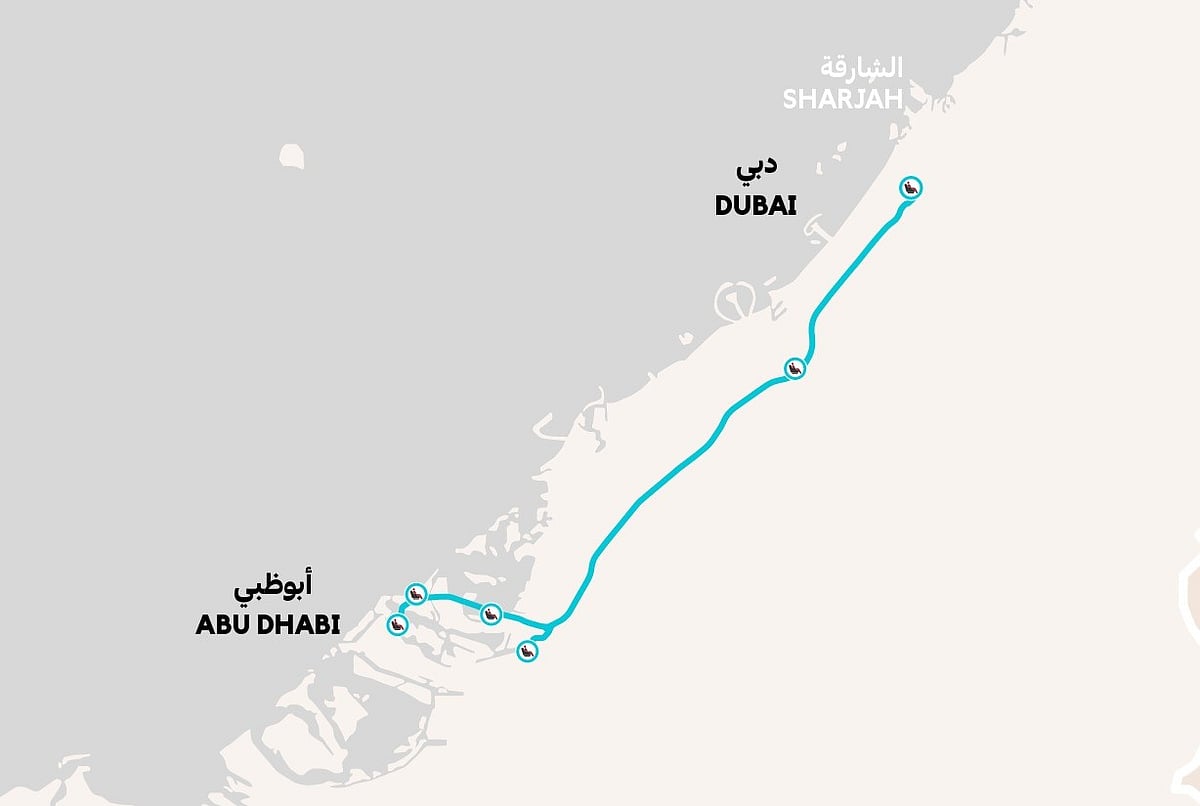
Dubai: The UAE’s upcoming high-speed rail service is set to transform travel between Dubai and Abu Dhabi, with the journey between the country’s two largest economic centres expected to take around 30 minutes.
The high-speed service will be part of the Etihad Rail network but will operate separately from the national passenger rail service. The dedicated line is being developed as a fully electrified, high-speed network designed to provide faster, more efficient connections between the emirates.
Get updated faster and for FREE: Download the Gulf News app now – simply click here.
Where will the Dubai-Abu Dhabi high-speed rail stations be?
Gulf News recently reported that Dubai will have four stations linked to the Etihad Rail network, with two expected to serve the upcoming high-speed rail line between Dubai and Abu Dhabi. The project will bring two high-speed rail stations to Dubai – one at Al Maktoum International Airport and another in Al Jaddaf, according to the report.

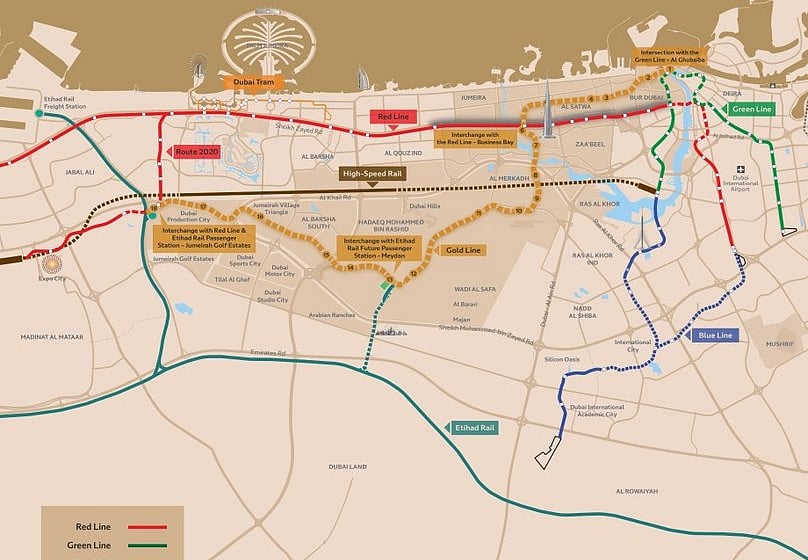
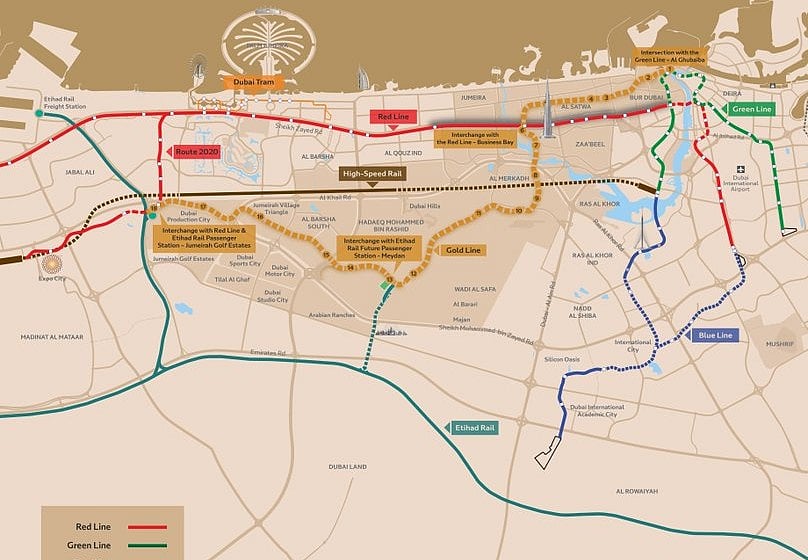
The RTA’s Dubai Rail Network Map for 2032 shows the high-speed rail line running parallel to the Dubai Metro Red Line, primarily along Al Khail Road.
How fast will the UAE high-speed train travel?
The Abu Dhabi-Dubai high-speed rail service is expected to cut the journey between the two cities to approximately 30 minutes. The trains will operate at a maximum speed of 350km/h, placing the UAE’s high-speed rail network among the fastest in the region.
Operating on a separate, fully electrified network, the service is designed around speed, efficiency and national connectivity.
How many passengers will the high-speed rail serve?
Passenger rail services are expected to serve up to 21 million passengers annually through a high-capacity network with a high frequency of services, helping meet growing demand for daily mobility.
The shorter journey between Dubai and Abu Dhabi is expected to:
-
Expand labour market access
-
Enable same-day business connectivity at scale
-
Strengthen integration between commercial districts
-
Support tourism and hospitality growth
-
Reinforce airport-to-city connectivity
What are the economic benefits?
High-speed rail is being developed as a long-term infrastructure investment with wider economic benefits. The project is expected to contribute Dh145 billion to the UAE’s GDP over the next 50 years, supporting productivity growth, labour mobility and regional development.
The dedicated electrified network also reflects Etihad Rail’s focus on future-ready transport. Electrification enables higher speeds, lower operational emissions and greater long-term efficiency compared with conventional diesel systems.
The network is being developed in line with international best practice for safety, reliability and performance, with the aim of meeting world-class standards from day one.
With a 30-minute connection between Abu Dhabi and Dubai, professionals could work across emirates without relocating, businesses could operate across markets more seamlessly, and visitors could experience more of the UAE in less time.