
Table of Contents
Dubai: Dubai’s tourism sector is no longer talking about recovery. The focus has shifted firmly towards sustained growth, with the emirate continuing to build on its diverse international visitor base, strong air connectivity, and expanding range of tourism offerings.
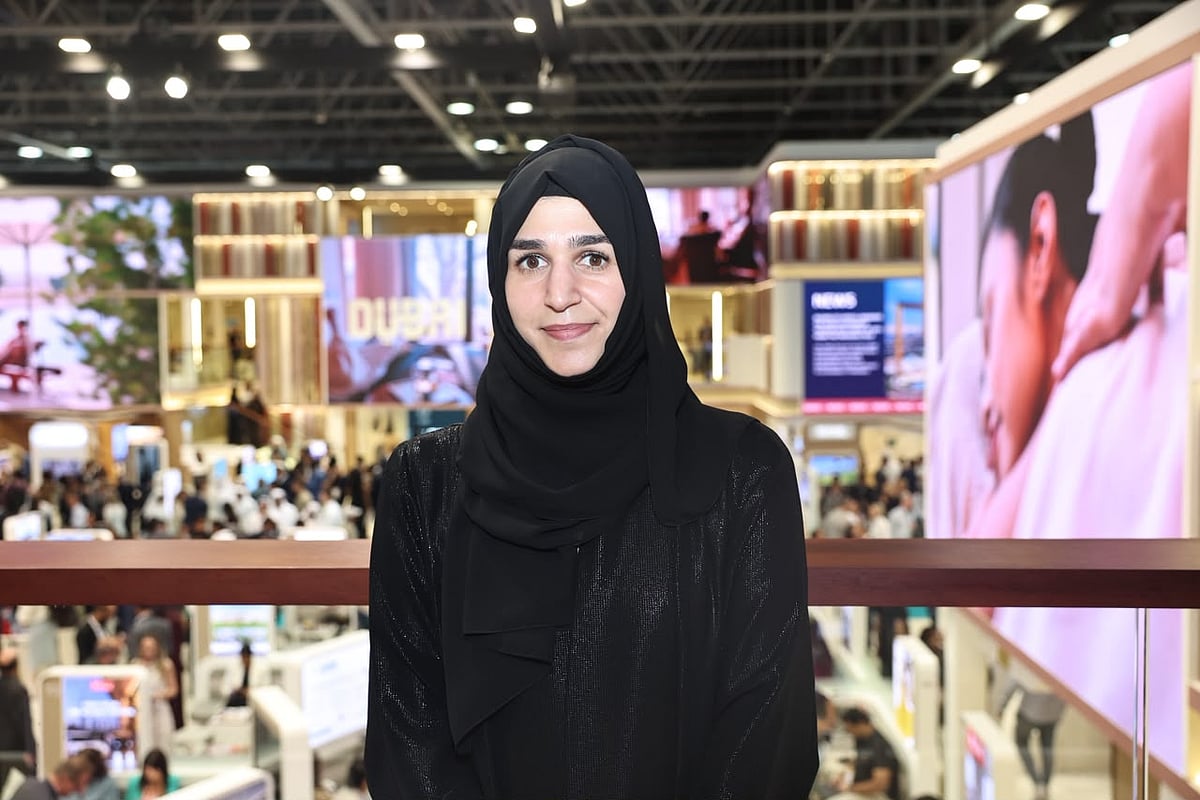
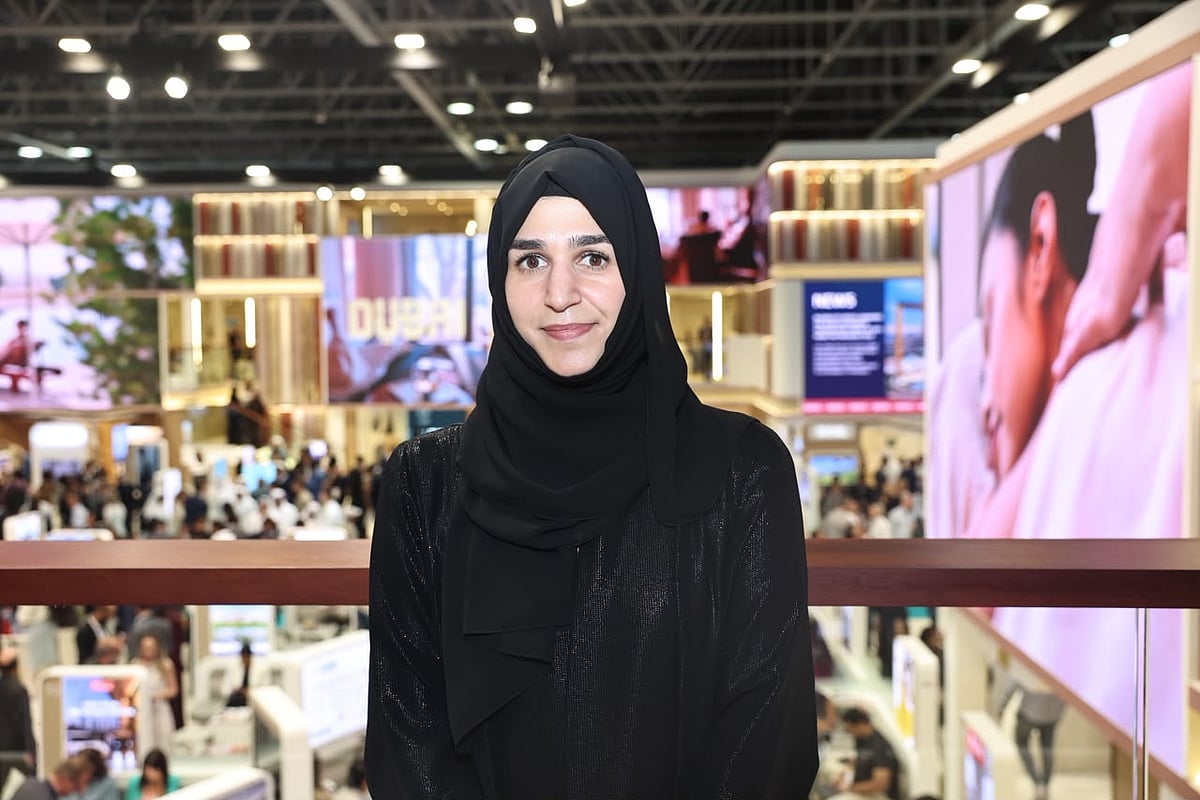
Speaking to Gulf News during the 33rd edition of the Arabian Travel Market (ATM) in Dubai, Hoor Al Khaja, senior vice president of international operations at the Dubai Corporation for Tourism and Commerce Marketing (DCTCM), has noted that the emirate’s tourism industry had demonstrated its resilience in the face of recent challenges.
“We’re very proud in this city and the entire sector that really rose to the occasion to deliver such amazing results despite the challenges,” Al Khaja told Gulf News.

She has attributed the sector’s performance to strong leadership, close coordination between the public and private sectors, and continued confidence among international travel partners.
Get updated faster and for FREE: Download the Gulf News app now – simply click here.
Resilience built on trust
Al Khaja has highlighted that Dubai’s ability to respond to crises has been a key strength of its tourism model, with safety and trust remaining central to the destination’s appeal.
“Dubai’s response to any crisis, not just this one, truly speaks for itself. The way it carried itself through was a big testament to how the city operates,” shared Al Khaja.
Close coordination with international travel trade partners has helped maintain momentum. Once travel restrictions have been lifted, airlines increased capacity and demand began returning.
“That natural demand, along with the support from our side, all led to where we are now.”
Al Khaja has described ATM as an important milestone for the industry, marking the start of a busy calendar of business and leisure events in Dubai.
More than 80 source markets
A major strength of Dubai’s tourism sector has been the breadth of its international visitor base. Al Khaja has bared that Dubai historically activated more than 80 source markets, supported by extensive connectivity through Emirates, flydubai, and other international carriers.
“We never relied on one, two, or ten source markets. We’ve always seen a very diverse number of tourists coming from different markets,” revealed Al Khaja.
This diversification has remained largely intact with visitor markets continuing to show a similar distribution in the latest figures.
“When you look at 2025 figures and the way that we have the source markets divided, for example 20 percent of visitors coming from Western Europe, followed by GCC, followed by Asia, and so on and so forth. If you compare that to 2026 figures that we announced, that diversifacation hasn’t change.”
For DCTCM, maintaining this balance has been an encouraging sign because it demonstrates that demand is being sustained across multiple regions rather than being dependent on a small number of markets.
“We’re still seeing a similar breakdown of percentages across different markets, which is a very promising figure for us. We are going to keep moving forward with this kind of strategy.”
Something for every traveller
Dubai’s tourism strategy has also become increasingly diverse in terms of the experiences it offers. The emirate caters to luxury travellers and the mid-market, while also developing niche propositions aimed at specific interests and communities.
From sports and adventure to wellness, leisure, and major events, Al Khaja has mentioned that Dubai is continuing to broaden its tourism proposition.
“There’s always something for everyone in Dubai,” exclaimed Al Khaja.
Accessibility remains a priority
One of the areas receiving continued attention has been accessibility. Al Khaja has emphasised that Dubai is proud of the accessibility certification it has already received, but reiterated that the work is ongoing.
“Accessibility is one of our focus points right now. Definitely, there are ongoing efforts to continue to expand, not just for autism, but for accessibility as a whole because there are different segments within accessibility for us to cater for,” explained Al Khaja.
She has pointed to the work being carried out by multiple stakeholders across the city, including airports, airlines, attractions, and public spaces such as parks and beaches.
According to Al Khaja, these efforts have been helping make Dubai more accessible to a wider range of visitors.
“The work never stops. We don’t compare ourselves to anyone but ourselves. We always want to keep up the bar.”
She has assured that more initiatives in accessibility are therefore expected as the sector continues to develop.
Looking towards 2033
Rather than setting a specific deadline for tourism recovery, Al Khaja has underscored that Dubai is focused on the longer-term growth agenda under the emirate’s D33 vision.
“We’re not putting a deadline for recovery. We are moving towards growth,” said Al Khaja.
The vision has remained unchanged. By 2033, Dubai aims to be one of the world’s best cities not only to visit, but also to live in, work in, and invest in.
For the tourism sector, that means continuing to strengthen the fundamentals that have helped Dubai attract visitors from around the world, connectivity, safety, confidence, market diversity, and a constantly evolving range of experiences.
“It’s more long-term goals and vision. We’re just continuing to move forward with our growth story.”