
Table of Contents
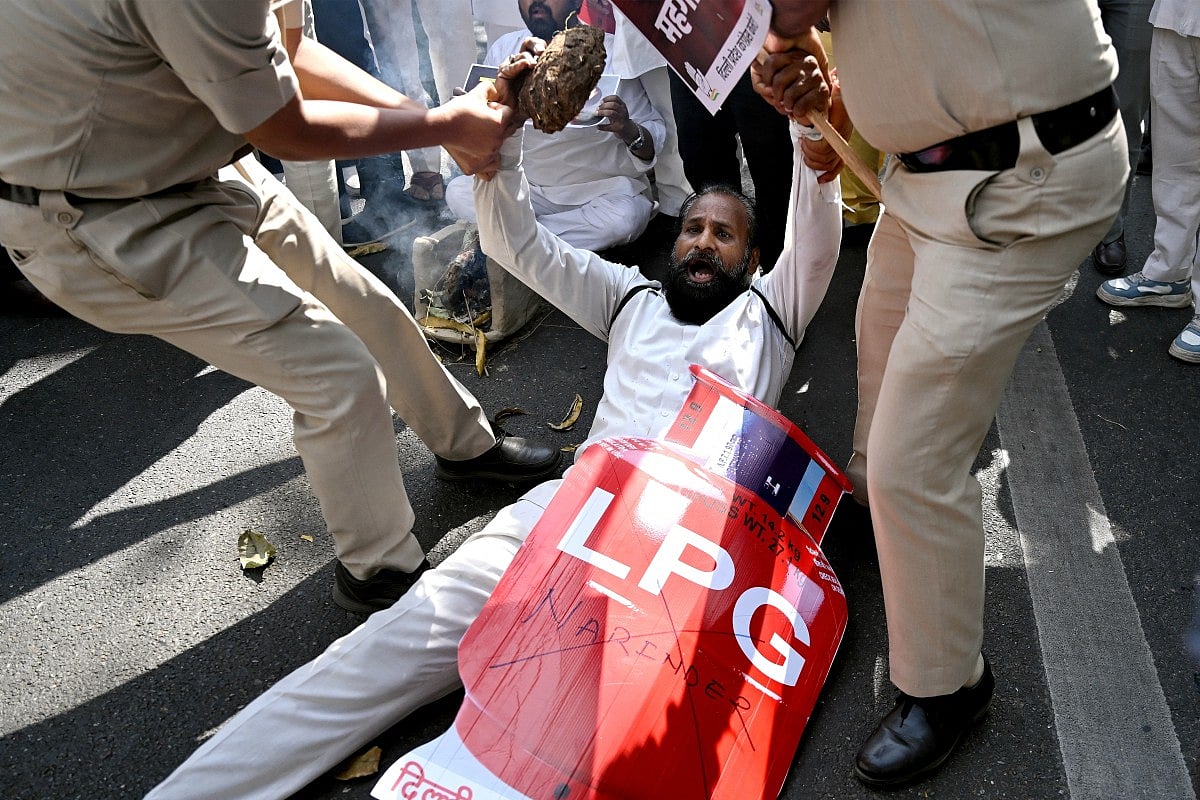
Dubai: India’s LPG supply system has come under pressure as the federal government issued new rules, states introduced allocation controls and several cities reported disruptions in commercial cooking gas availability amid global fuel concerns triggered by the ongoing Iran war, Indian media reports said.
The Union Ministry of Petroleum and Natural Gas has amended the Liquefied Petroleum Gas (Regulation of Supply and Distribution) Order, directing households that have both Piped Natural Gas (PNG) and domestic LPG connections to surrender their LPG cylinders immediately.
The notification said households with PNG connections will no longer be allowed to keep or use LPG cylinders supplied by government oil companies or their distributors. Such consumers will also not be eligible to apply for fresh LPG connections.

Officials said the move aims to ensure better management of LPG supplies and prioritise households that depend entirely on LPG cylinders for cooking.
Govt says supply stable
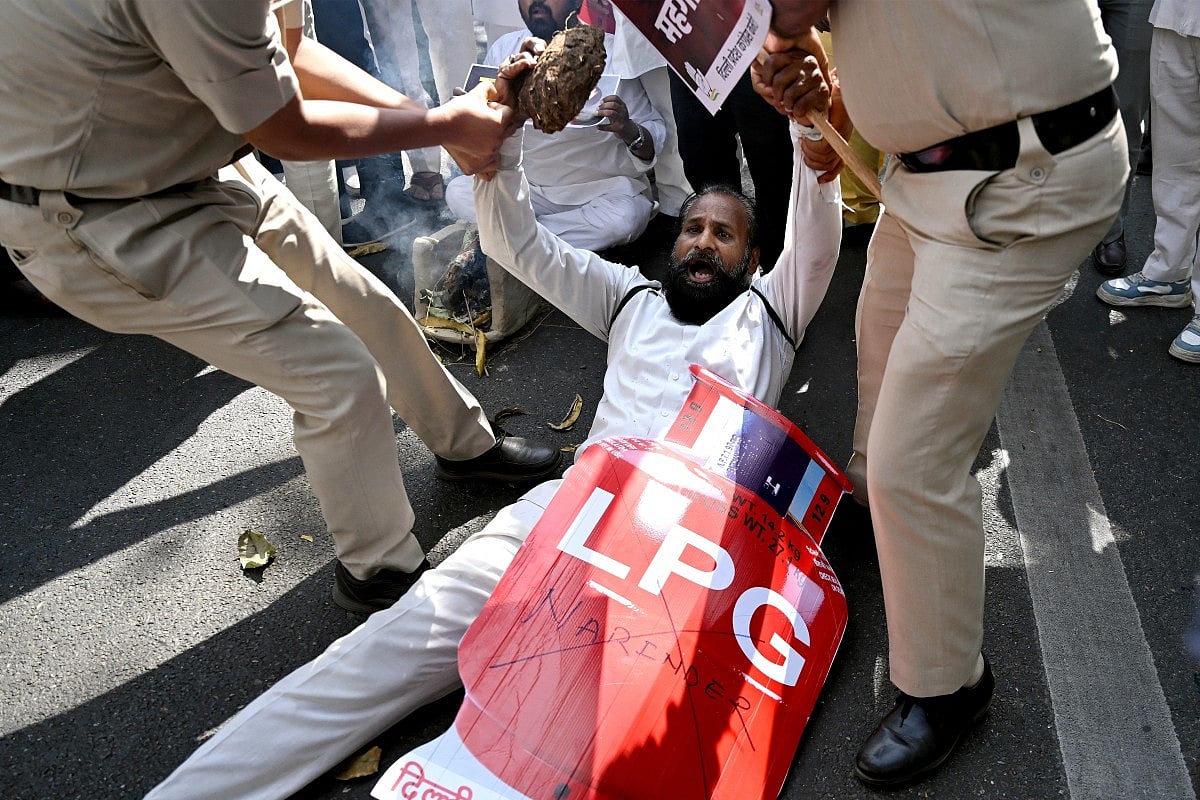
Despite reports of shortages in some cities, the government and oil marketing companies insisted that domestic LPG supply remains stable and uninterrupted.
The Ministry of Petroleum and Natural Gas, along with Indian Oil, Bharat Petroleum and Hindustan Petroleum, said systems are in place to ensure steady delivery of cylinders to households.
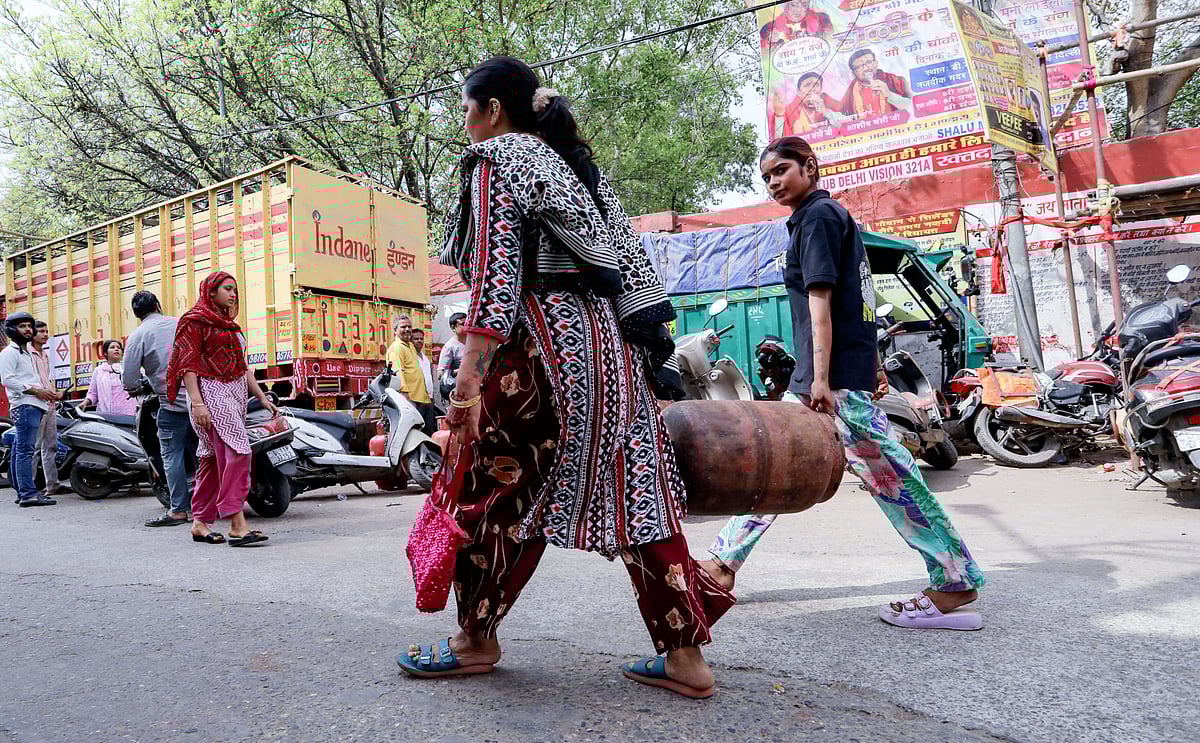
“Domestic LPG supply across the country remains fully secure and uninterrupted,” oil marketing companies said in a joint statement on X.
The companies urged consumers to avoid panic bookings or visiting distributors, warning that unusually early bookings could delay deliveries for those who need cylinders urgently.
“Unusually early or panic bookings can delay deliveries for others who need cylinders urgently. Book only when required. Every kitchen deserves its flame on time,” the statement said.
Officials said consumers can book refills through IVRS, SMS, mobile applications, missed-call services and official websites.
Panic bookings rise
Joint Secretary (Marketing and Oil Refinery) Sujata Sharma said LPG bookings had surged from around 75–76 lakh (7.5 million to 7.6 million) to nearly 88 lakh, indicating panic booking by consumers.
“There is no need for panic — neither for booking nor for cylinders,” Sharma said, adding that oil marketing companies are continuing home deliveries.
She reminded consumers that booking restrictions remain in place, with a minimum gap of 25 days in urban areas and 45 days in rural areas.
States step in
Several states have begun monitoring LPG distribution closely.
In Haryana, district-level committees headed by deputy commissioners have been authorised to ensure uninterrupted supply of commercial LPG to essential sectors such as hospitals, educational institutions and hostels.
Deputy commissioners may also prioritise cylinders for marriage functions, depending on availability, according to an order issued by Additional Chief Secretary Raja Sekhar Vundru.
In Maharashtra, the state government introduced sector-wise rationing of commercial LPG cylinders following a directive from the Centre.
Hospitals, schools, colleges, hostels and essential public services will receive 100% of their LPG requirement, while restaurants, hotels, dhabas and tourism establishments will be limited to 90% allocation.
Cities report disruptions
Commercial LPG shortages have begun affecting businesses in several cities.
In Hyderabad, restaurants have scaled down operations due to limited gas supply, leading to a drop in online orders through platforms such as Zomato and Swiggy, affecting delivery workers’ earnings.
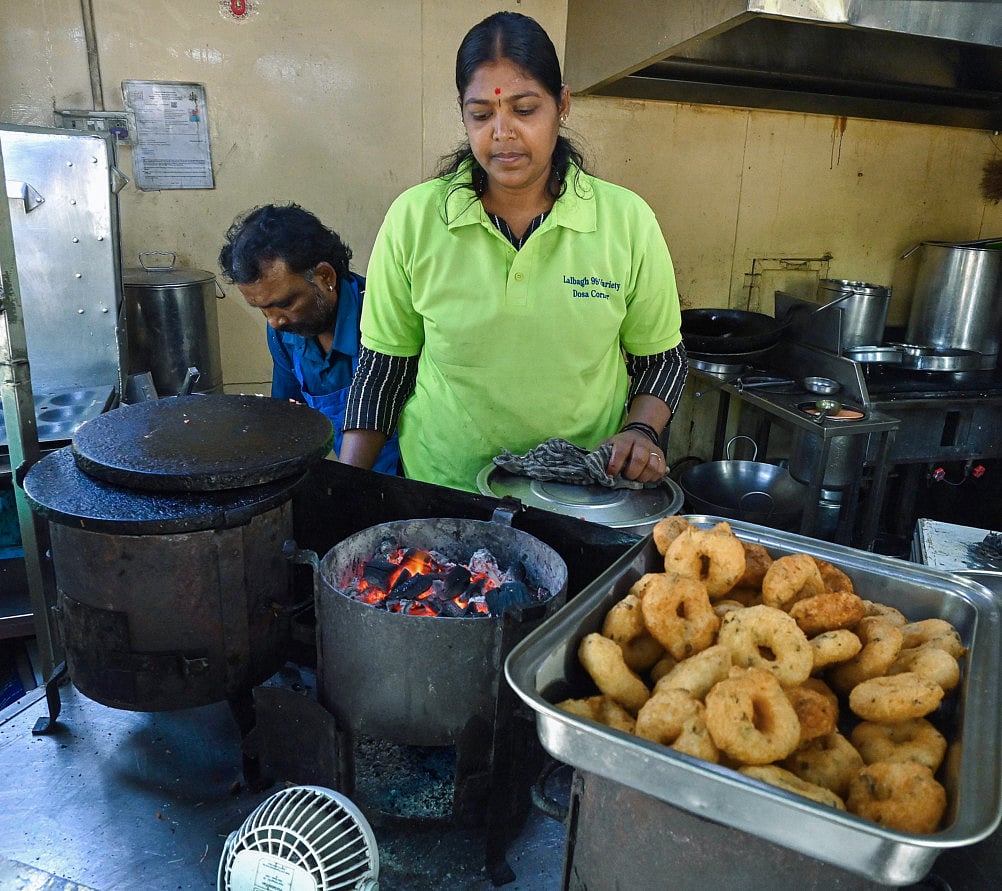
In Bengaluru, the Karnataka State Hotels Association said more than 20% of restaurants have been affected, with many reducing menus to dishes requiring less LPG. Honorary president Chandrashekar Hebbar said switching to induction cooking is difficult because most restaurants lack adequate sanctioned electricity load.
Authorities have also launched enforcement action. In Coimbatore, police seized nearly 1,000 commercial LPG cylinders from a godown in Papanaickenpalayam near Lakshmi Mills and arrested a gas agency owner under the Essential Services Maintenance Act (ESMA) for allegedly hoarding cylinders and selling them at inflated prices.
Delhi warns against hoarding
In Delhi, Chief Minister Rekha Gupta urged residents to remain calm and warned against hoarding.
“The government has a strict stance against hoarding. We all must stand united when a crisis befalls the country,” she said, adding that those creating panic among the public would face action.
Industries feel impact
Caterers in Delhi-NCR said the shortage has forced some businesses to scale down operations or buy cylinders at higher prices in the black market, while dairies warned that milk packaging supplies could run short if the situation continues.
Hormuz developments monitored
Meanwhile, the government said it is closely monitoring maritime movements in the Strait of Hormuz, a critical global energy corridor.
Shipping Ministry Special Secretary Rajesh Kumar Sinha said two Indian-flagged LPG carriers — Shivalik and Nanda Devi — had safely crossed the strait and are heading to India with about 92,700 metric tonnes of LPG, expected to reach Mundra and Kandla ports on March 16 and 17.
The Ministry of External Affairs reiterated India’s call for de-escalation in the West Asia conflict, stressing the need to protect energy supplies and ensure uninterrupted global trade.