
Table of Contents
Dubai: Nemesio Oseguera Cervantes, widely known as “El Mencho,” was one of the most feared and influential figures in modern Mexican organised crime, a man whose rise mirrored the violent transformation of the country’s drug war.
Born in Aguililla, a rural town in the western state of Michoacán, Oseguera emerged from modest beginnings in a region long associated with illegal drug cultivation.
His early life unfolded in a harsh mountainous environment where marijuana plantations and trafficking networks formed part of the local economy.

As reported by AFP, Oseguera migrated to the United States as a young man, where his path took a decisive turn. He was arrested on drug-related charges, served time in prison for heroin trafficking, and was eventually deported back to Mexico.
That period marked his deeper entry into the criminal world.
Back in his homeland, Oseguera joined the Milenio Cartel, a criminal organisation with roots in Michoacán. His reputation for discipline, calculation and brutality helped him climb the ranks during a period of intense cartel fragmentation and shifting alliances.
His defining moment came amid the chaos of Mexico’s cartel wars.
How El Mencho was killed
-
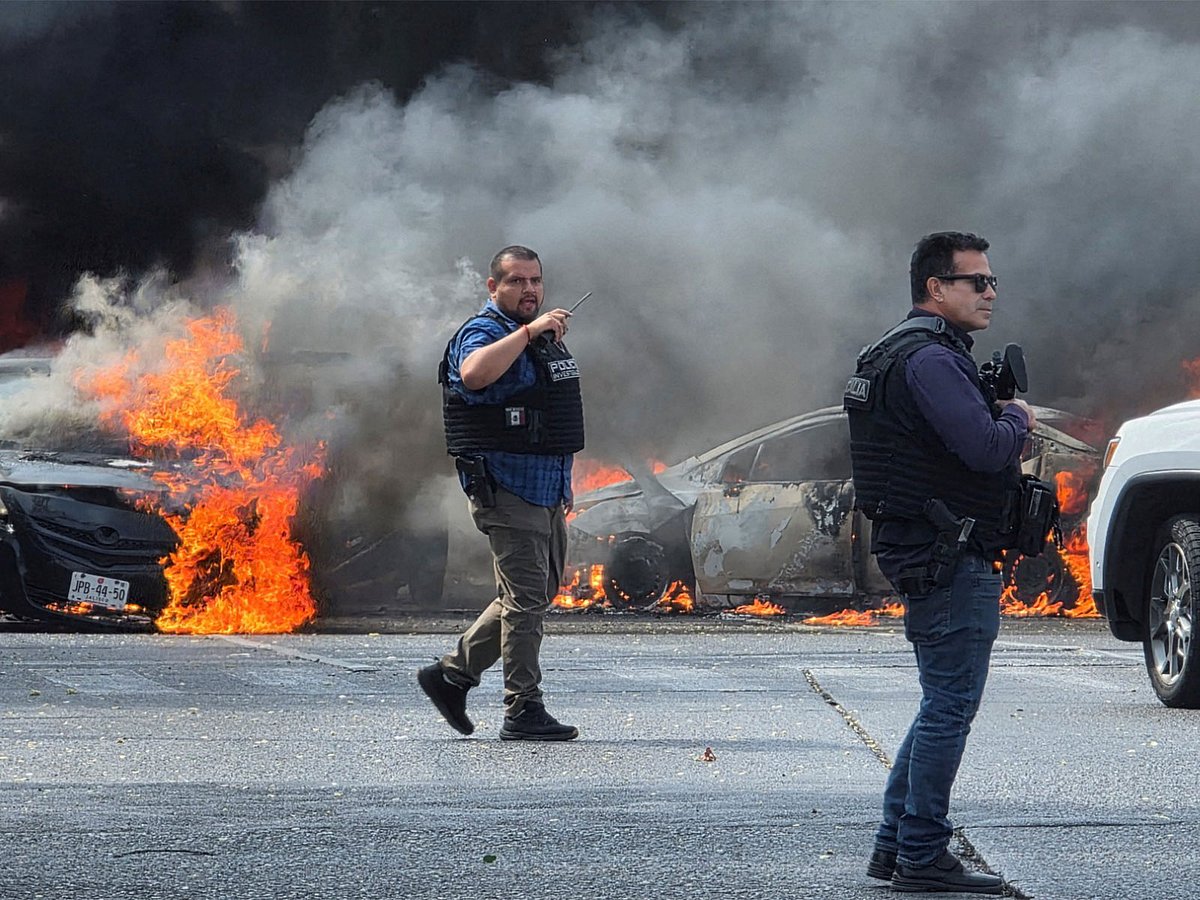
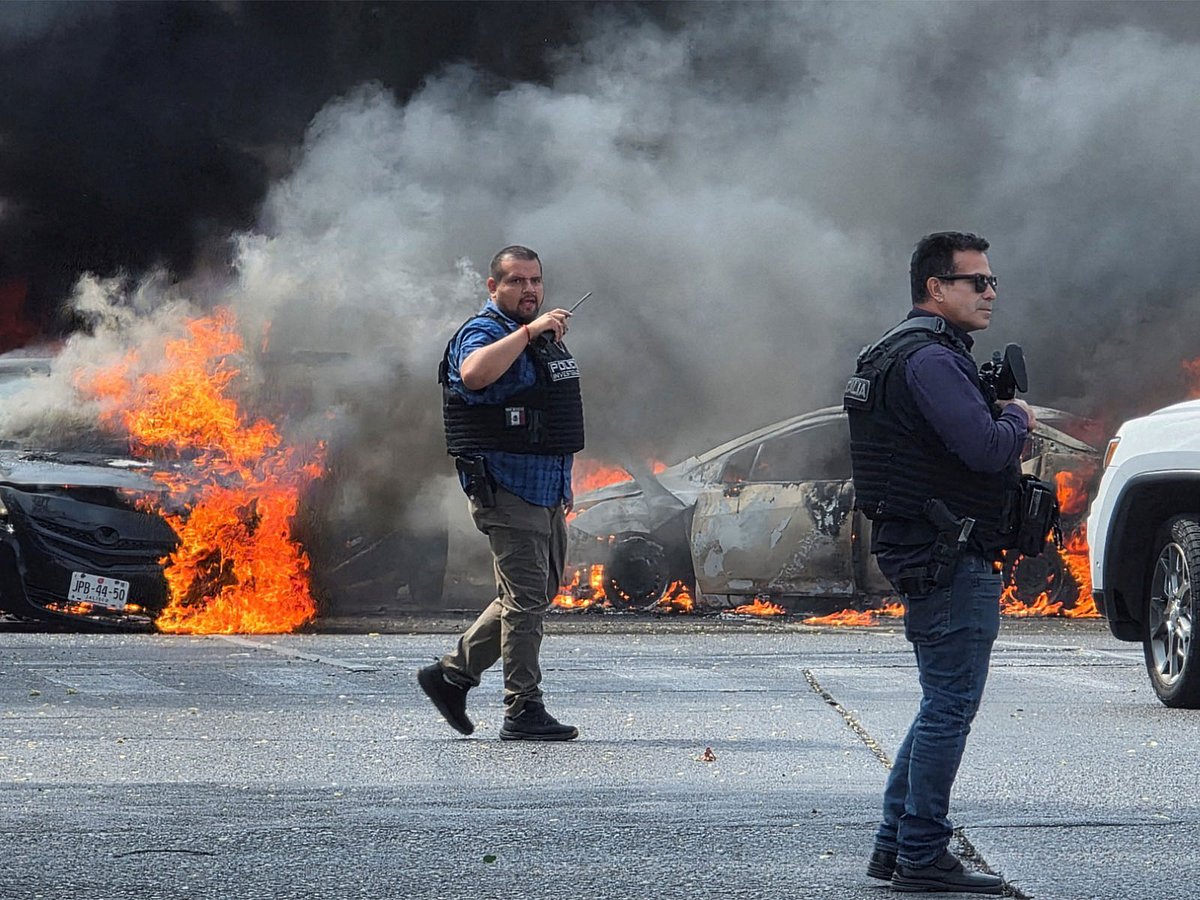
Mexican military authorities said Nemesio Oseguera Cervantes was captured in Tapalpa, Jalisco, during an army operation that triggered a violent clash.
-
According to the Mexican Secretariat of National Defence, troops came under fire, leaving multiple suspected cartel members dead at the scene. Oseguera Cervantes was wounded during the exchange and later died while being transported to Mexico City for medical treatment.
-
The military said several others were killed, two people were arrested, and security forces seized armoured vehicles, rocket launchers, and weapons. Members of the armed forces were also reported wounded.
Following internal splits and power struggles within existing criminal groups, Oseguera helped form what would become the Jalisco New Generation Cartel (CJNG). Under his leadership, the organisation evolved into one of Mexico’s most powerful and aggressive criminal enterprises.
The BBC has described El Mencho as one of the few cartel leaders whose influence left a lasting imprint on the structure of Mexican organised crime. Unlike older-generation traffickers who often relied on negotiated arrangements and territorial stability, El Mencho’s CJNG became synonymous with rapid expansion and overt displays of force.
Militarised tactics
The cartel gained notoriety for its militarised tactics.
Authorities and security analysts have linked the CJNG to high-profile attacks on Mexican security forces, including ambushes, coordinated assaults, and even the downing of a military helicopter during clashes in Jalisco.
AFP noted that Oseguera’s leadership style was characterised by an unusual willingness to directly confront the state.
Over time, the CJNG expanded beyond traditional narcotics trafficking.
Investigators in both Mexico and the United States have accused the organisation of diversifying into a wide array of criminal activities, including extortion, arms trafficking, fuel theft, and migrant smuggling.
The cartel also became a central player in the global synthetic drug trade, particularly fentanyl.
El Mencho’s rise coincided with the weakening of rival groups.
As the once-dominant Sinaloa Cartel faced internal fractures and leadership disruptions following the capture and extradition of figures such as Joaquín “El Chapo” Guzmán, the CJNG capitalised on emerging power vacuums, strengthening its footprint across multiple Mexican states.
Low public profile
Despite his notoriety, Oseguera maintained an unusually low public profile.
Few verified images of him circulated for years, a rarity for a figure of his stature. AFP reported that he largely avoided public appearances, reinforcing an aura of mystery around his personal life even as his organisation’s violence became highly visible.
For US authorities, El Mencho became a top-priority target.
Washington placed him on its most-wanted list, offering 15 million-dollar rewards for information leading to his capture. The CJNG itself was later designated by US officials as a terrorist organisation, reflecting growing concern over its reach and operational capabilities.
El Mencho’s death, confirmed by Mexican authorities, marks the end of a criminal career that reshaped Mexico’s cartel hierarchy — though experts caution that the disappearance of such figures rarely signals the end of the organisations they built.
As history has repeatedly shown, cartel structures tend to outlive their leaders.