
Table of Contents
Dubai: Carrefour is pulling back from more countries as it tries to rebuild profits and simplify its sprawling global business, even as its stores remain a familiar sight for shoppers across the Gulf.
Sign up for our daily business newsletter, Cheques & Balances.
The French supermarket group said on Wednesday it would focus its future growth on just three markets — France, Spain and Brazil — while keeping its options open in other countries, including possible exits.
The shift comes after Carrefour reported weaker-than-expected sales in its home market and missed profit forecasts, prompting a sharp fall in its share price.

Investors were unimpressed by the update. Carrefour shares fell as much as 5.3% in Paris. Like-for-like or ‘same-store’ sales — which measure growth at stores open for at least a year — rose 0.4% in France in the fourth quarter, below analysts’ expectations of 0.7%. Recurring operating income also missed forecasts.
Future in fewer countries
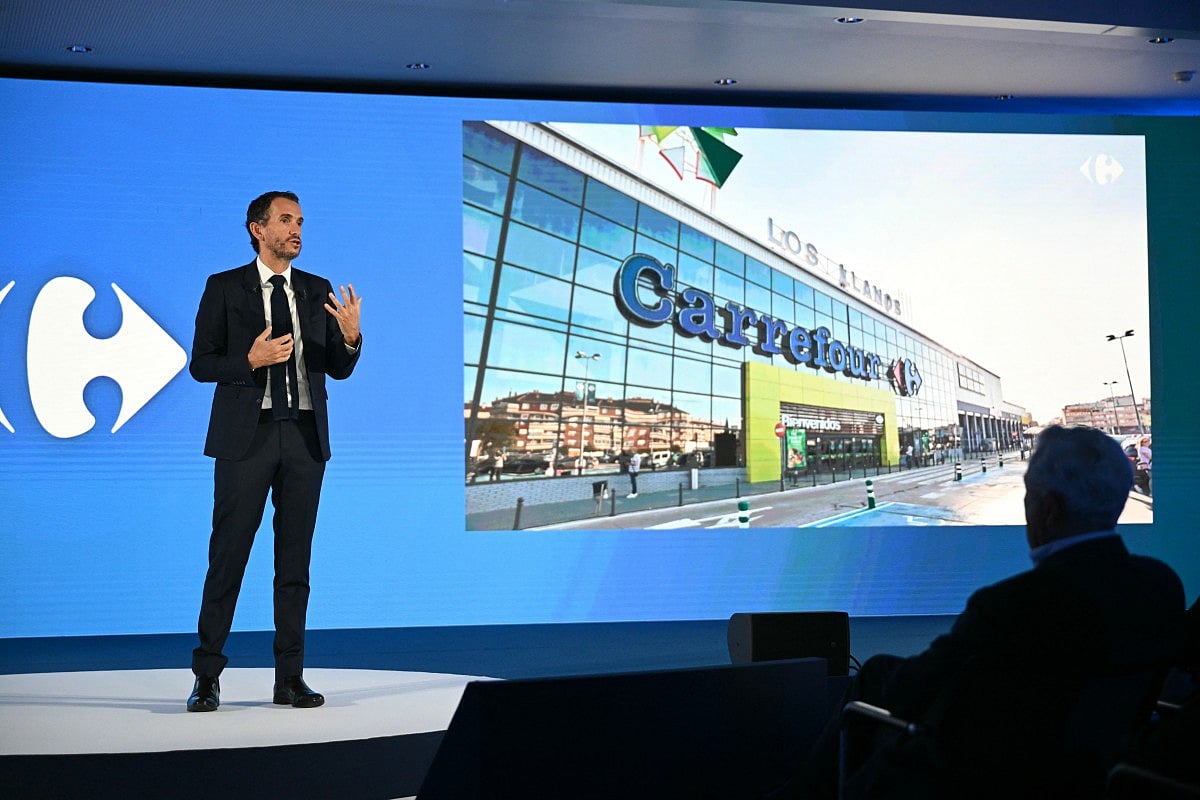
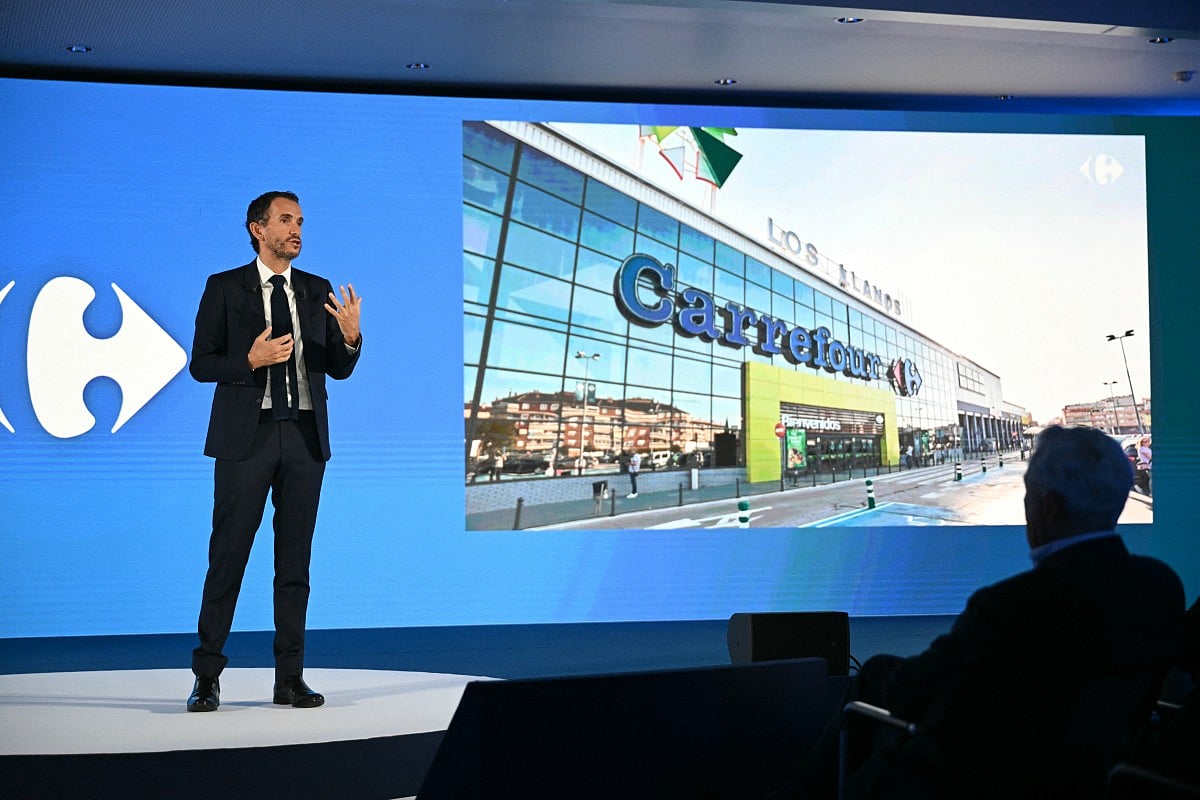
Carrefour’s latest plan marks its third major strategy reset since Alexandre Bompard became chief executive in 2017. The idea has been to concentrate investment where Carrefour already makes most of its money, and step back from smaller or less profitable markets.
France, Spain and Brazil together account for about 85% of Carrefour’s total sales and almost all of its recurring operating income, according to company figures. Other markets contribute far less and often face tougher competition and higher costs.
“We want to reach the profitability of our best-performing peers,” Bompard said. Carrefour is aiming to lift its operating margin — a basic measure of how much profit it makes from sales — to 3.5% by 2030, from around 2.6% in 2025. To do that, it plans to cut costs by €1 billion a year while investing more in pricing, technology and franchising.
What this means for GCC
Carrefour’s global retrenchment contrasts with its continued strength in the UAE. In the GCC region, most Carrefour stores operate under a franchise model. Local partner Majid Al Futtaim runs the outlets, while Carrefour provides the brand, supply network and retail systems.
This structure limits the French group’s direct financial exposure compared with owning and operating stores itself. That difference helps explain why Carrefour has remained firmly established in the UAE while exiting or scaling back elsewhere in the Middle East.
The retailer has recently withdrawn from four regional markets — Jordan, Oman, Bahrain and Kuwait. Those stores, operated by Majid Al Futtaim, are being rebranded under a new local name, HyperMax.
Carrefour’s broader strategy reflects the same logic: prioritise markets and business models that deliver consistent returns, and step away from those that do not. Globally, Carrefour operates more than 14,000 stores across over 40 countries.
In the Middle East, Africa and Asia, Majid Al Futtaim Retail holds the exclusive franchise rights, operating more than 390 stores — including over 175 in the UAE, about 20 in Saudi Arabia, and the remainder largely across African markets.
Expands further at home
In its core markets, Carrefour is still expanding. In France, it plans to open 1,000 new convenience stores by 2030 to target everyday shopping closer to where people live. The company is aiming for a 25% share of the French grocery market.
Spain remains a key European market, while Brazil is seen as a major growth engine. Carrefour will continue expanding Atacadão, its Brazilian discount wholesale chain, which sells mainly to small businesses and price-conscious consumers.
Across all three core markets, Carrefour plans to invest heavily in technology such as artificial intelligence and data systems. The goal is to manage prices better, reduce waste and improve customer loyalty.
Belgium under scrutiny
Outside its core markets, Carrefour says it will keep “all strategic options” open — a phrase often used by companies to signal that sales or exits are possible. Belgium has become a focal point.
Carrefour operates 40 hypermarkets, more than 440 Carrefour Market stores and about 330 Carrefour Express outlets there. Sales in Belgium rose 0.8% last year to €4.43 billion. The company says profitability has improved, but it has not disclosed detailed figures.
Reports late last year suggested Carrefour was considering leaving the country. The company did not confirm or deny those reports at the time.
Romania sale reveals more
Carrefour’s exit from Romania offers a clear example of how the strategy is being implemented.
The company has agreed to sell its entire Romanian business to Paval Holding for €823 million. The operation includes 478 stores across several formats and generated €3.2 billion in gross sales, about 3.5% of Carrefour’s total revenue.
“The sale of Carrefour Romania confirms the good progress of the portfolio review initiated in 2025,” Bompard said. “I am confident that the agreement reached with Paval Holding represents a great opportunity for their continued success.”
The deal follows Carrefour’s exit from Italy and the consolidation of its Brazilian operations. Completion is expected in the second half of 2026, subject to regulatory approval.
Years of pressure in Europe
Carrefour’s recent exits highlight the strain it has faced across several European markets. In Italy, the retailer sold nearly 1,200 stores to food group NewPrinces after years of losses, even though the business was valued at around €1 billion and reported a €67 million operating loss.
In Poland, Carrefour has put its roughly 800 stores up for sale following a 3% drop in sales in 2024. Analysts say the group struggled to compete in a market dominated by discount chains and failed to build a consistently profitable business despite operating there for decades.
While Carrefour remains the largest grocer in France, competition is intense. Rivals such as Leclerc continue to gain market share, while strict government controls on food pricing keep profit margins under pressure, raising investor concerns about how durable any recovery will be.
Caution in overseas markets
Carrefour’s global pullback reflects long-running challenges. In markets where it owns stores directly and faces high labour costs, tight regulation and fierce price competition, profits have been hard to sustain.
In contrast, franchise-led markets such as the UAE have delivered steadier returns. That contrast is now shaping Carrefour’s future. For investors, the question is whether focusing on fewer countries will finally improve profitability.
For shoppers in the Gulf, the takeaway is simpler: Carrefour’s presence in the UAE looks secure— but elsewhere, the brand is becoming more selective about where it stays.
– With inputs from Agencies