
Table of Contents
Two bunnies named Romeo and Juliet, abandoned in a park on Valentine’s Day. A paralysed rabbit after a terrible accident. Cats wandering the desert, ear-tipped or not, searching for a family that never comes back. A dog stranded on a highway shoulder as cars rush past.
And every day, it’s another animal in need. Another life that depends on a stranger choosing to care.
Across the UAE, loosely connected rescue networks work relentlessly. Many are linked through sprawling WhatsApp groups and social media channels, sounding the alarm whenever an animal is dumped, injured or lost. Over the years, we’ve spoken to individuals who have rescued more than 500 cats, sending dozens overseas to loving homes, others who patrol neighbourhoods performing TNR (Trap-Neuter-Return), and many who fund vet bills from their own pockets.

You can read more about those who support TNRs here.
So how does it all work? How do they sustain it?
We spoke to a few rescuers who shared what it really takes to make animals feel safe again.
Homes to highways
Deeply passionate and fiercely dedicated to animals, Sylvia Chandel has been caring for them long before she moved to Dubai in 2008. She would spot cats wandering the streets, abandoned and alone, their fates often betrayed by the presence or absence of an ear clip.
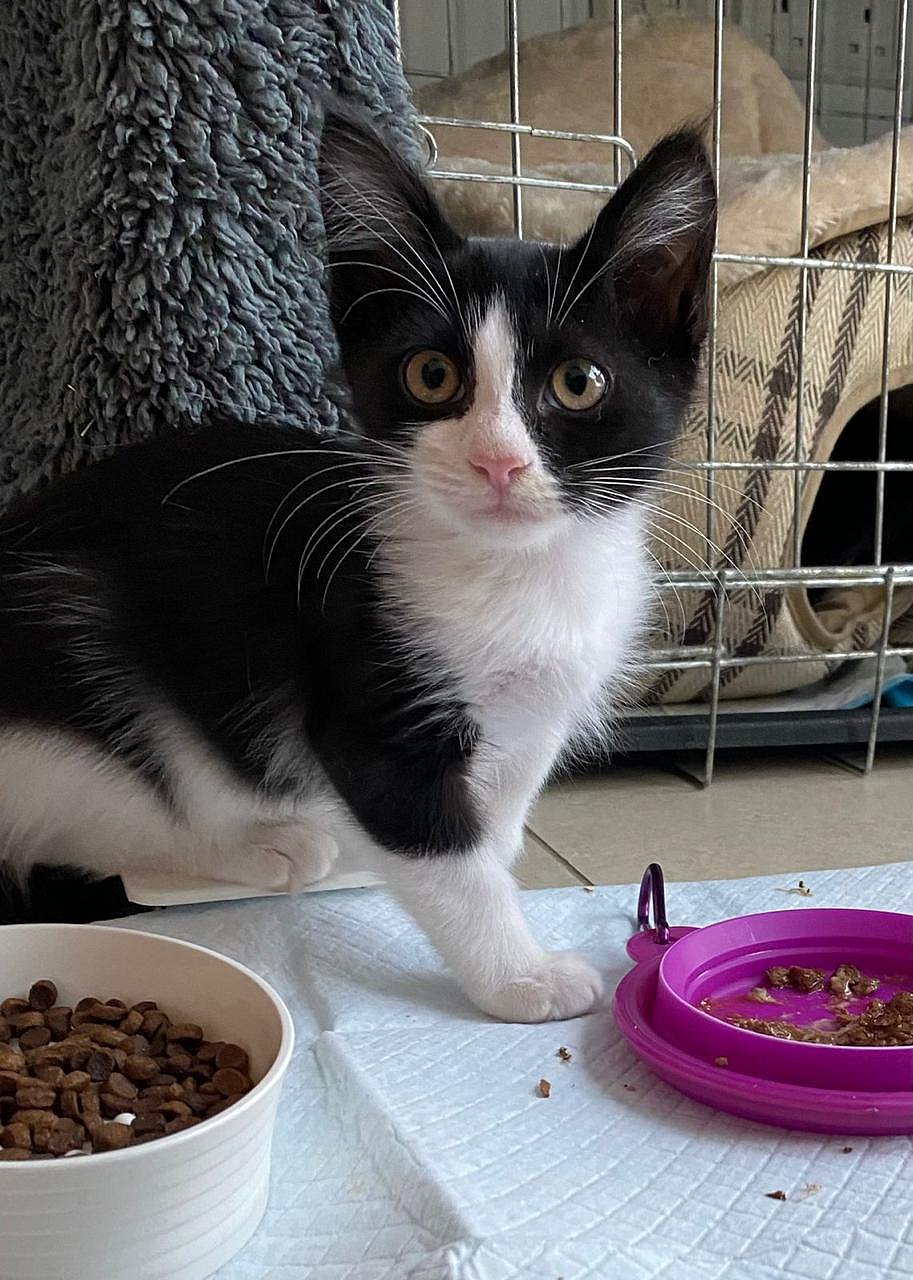
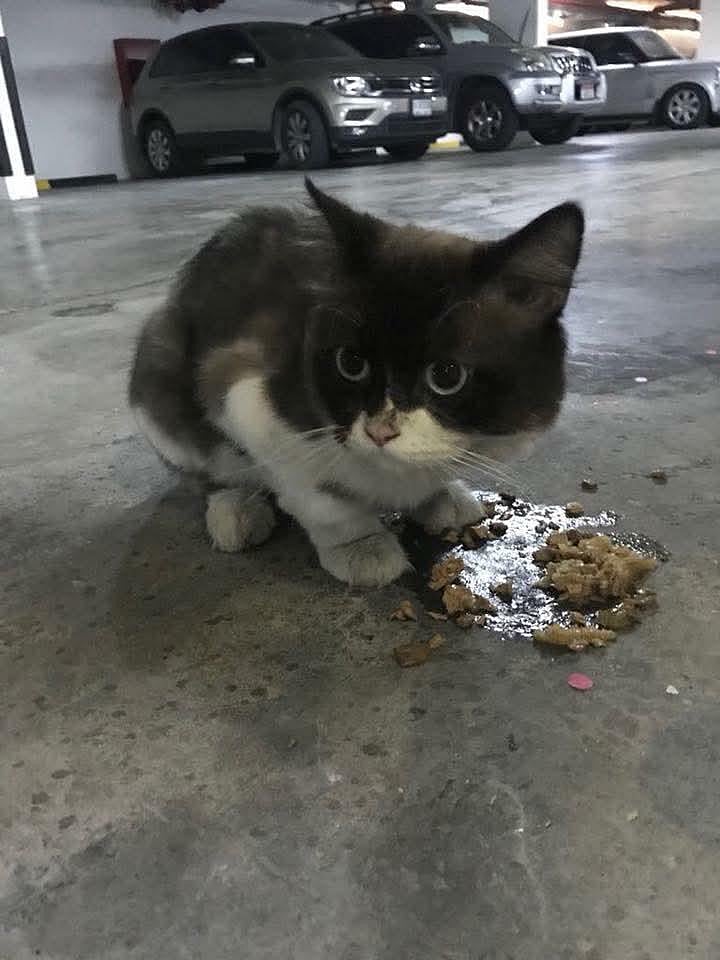
“We see a lot of dumpings. People come at night, just drop the cats, and leave,” she says. The cats aren’t picky, fluffy ones, street-smart ones, even tiny kittens all find themselves struggling for a basic home. “There’s been a wave of kittens in need,” adds Chandel, who recently began collaborating with AMAL CSR, a licensed organisation dedicated to humane, sustainable community cat management in Dubai, working closely with Dubai Municipality and pest control companies.
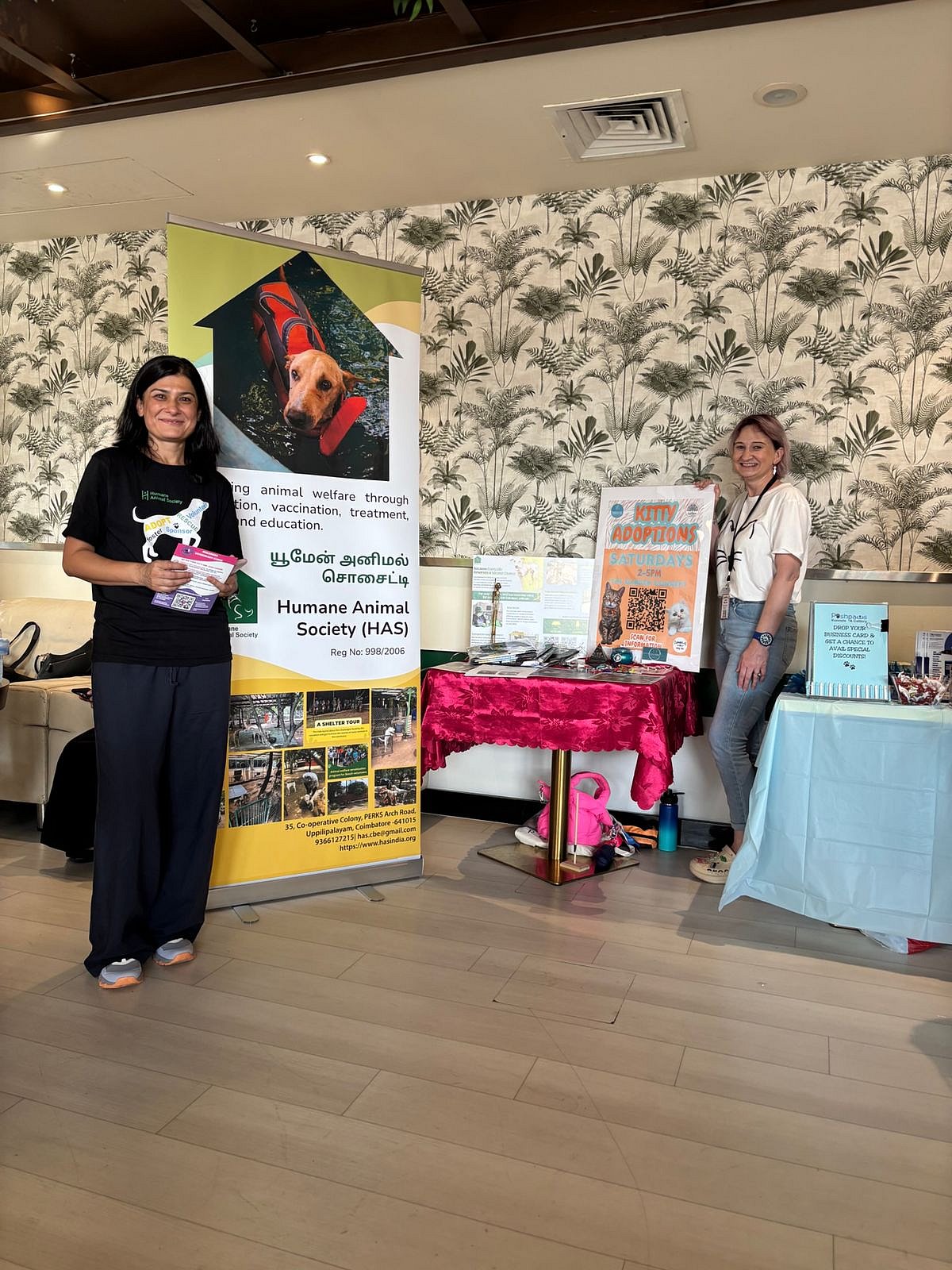
Her work is powered by connection. Being part of multiple WhatsApp groups across the UAE allows rescuers like her to keep an eye on any animal in distress, abandoned or hurt, and find homes for them. Sometimes, even at a wedding, Chandel can’t help but ask around for potential adopters. “My social life is around cats,” she laughs.
It’s exhausting and often overwhelming, but like many rescuers, she is unwavering in her commitment. “If not me, then who?” is her guiding motto. Her life revolves around feeding schedules, vet visits, and, yes, occasionally astronomical bills. Frustration is inevitable, but she draws strength from fellow rescuers and animal lovers.
The scale of need is staggering, so many animals in distress, but every rescue, she believes, makes the world a little better. The journey is long, arduous, and relentless, yet it is also deeply rewarding.
‘When you think you can’t do it anymore…’
As Katayune Ehsani, another fellow rescuer says, just when you think you can’t do it anymore, along comes an innocent defenseless animal that needs your help. “You pay for vet bills, see them nursed back to health, get adopted and thrive in their new home – then you know you did the right thing and made all the difference in the world for that animal.”
Yet, it’s not just about the animals. The network itself is a lifeline, people facing the same challenges, working toward the same goal, so you never feel alone. “I try to raise awareness as much as possible – talking to colleagues about the animals I have rescued, hosting an informal bunny session at my house on all things house rabbits. Brainstorm with fellow rescuers on how to solve the many insurmountable challenges in front of us,” she adds.
The rabbit reality check
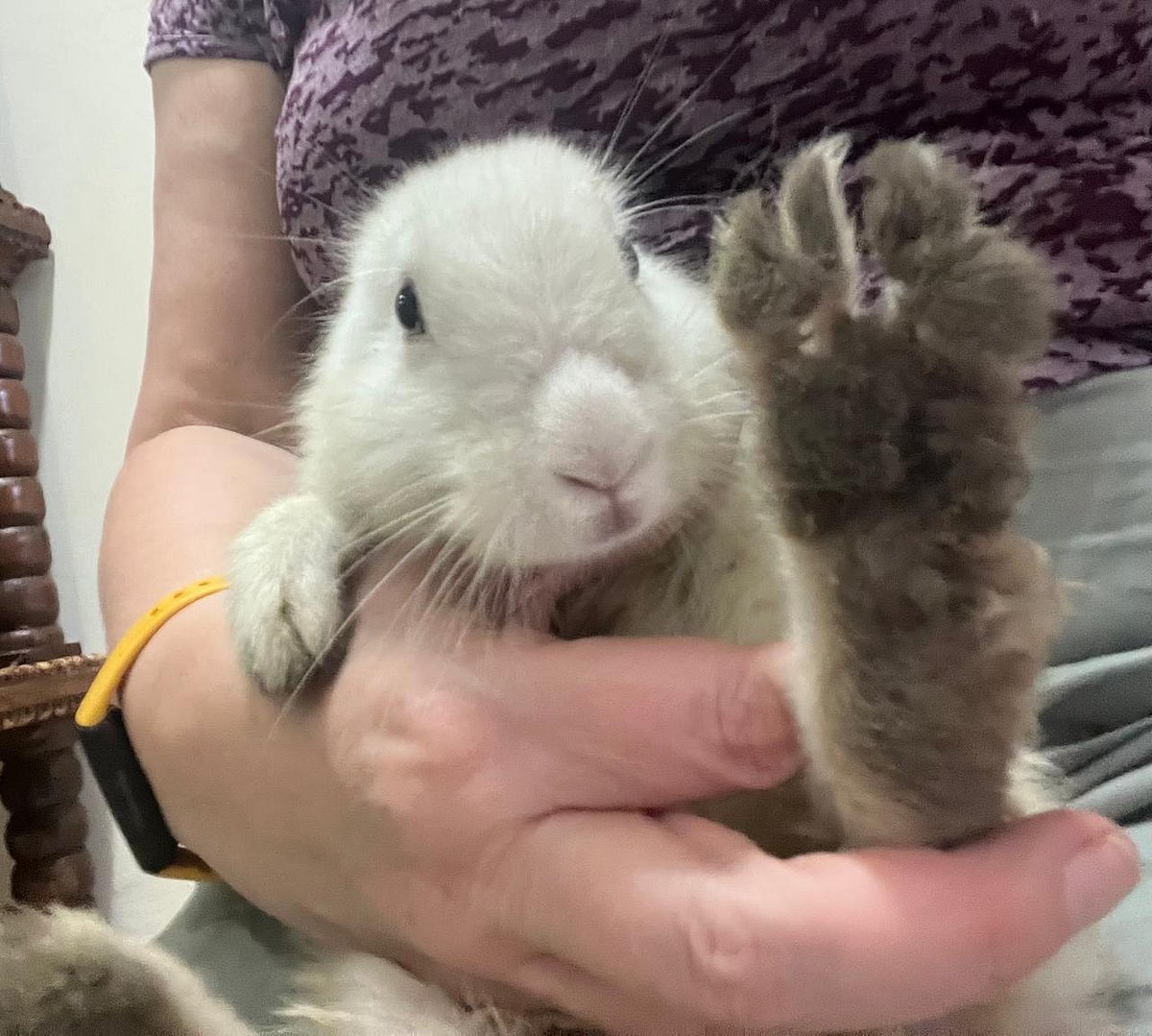
There is a sense of almost impulse when it comes to owning animals. Baby animals look cuddly. Get them. And then the weight of responsibility is realised, and the animals have to look for different options. Claire Malcolm, volunteer at Helping Hands for Small Paws, a community that was initially created to be an open forum and resource for small paws parents, has a lot to say on the subject. They weren’t a rescue group at first, but slowly people started asking for help. “As small paws lovers we couldn’t ignore these requests, so we allowed posts on our closed Facebook group – members could post that they’d found a small paw and could someone offer a home, or they thought it was lost and wanted to try and find its family, or could we offer relocation advice,” explains Malcolm.
However, soon, they became they go-to for all the lost, dumped and surrender case. As she explains: The majority of requests are for rabbits as many people aren’t aware about the responsibilities that come up with looking after rabbits. They see a ‘cute fluffy’ rabbit, and buy one before thinking it through.
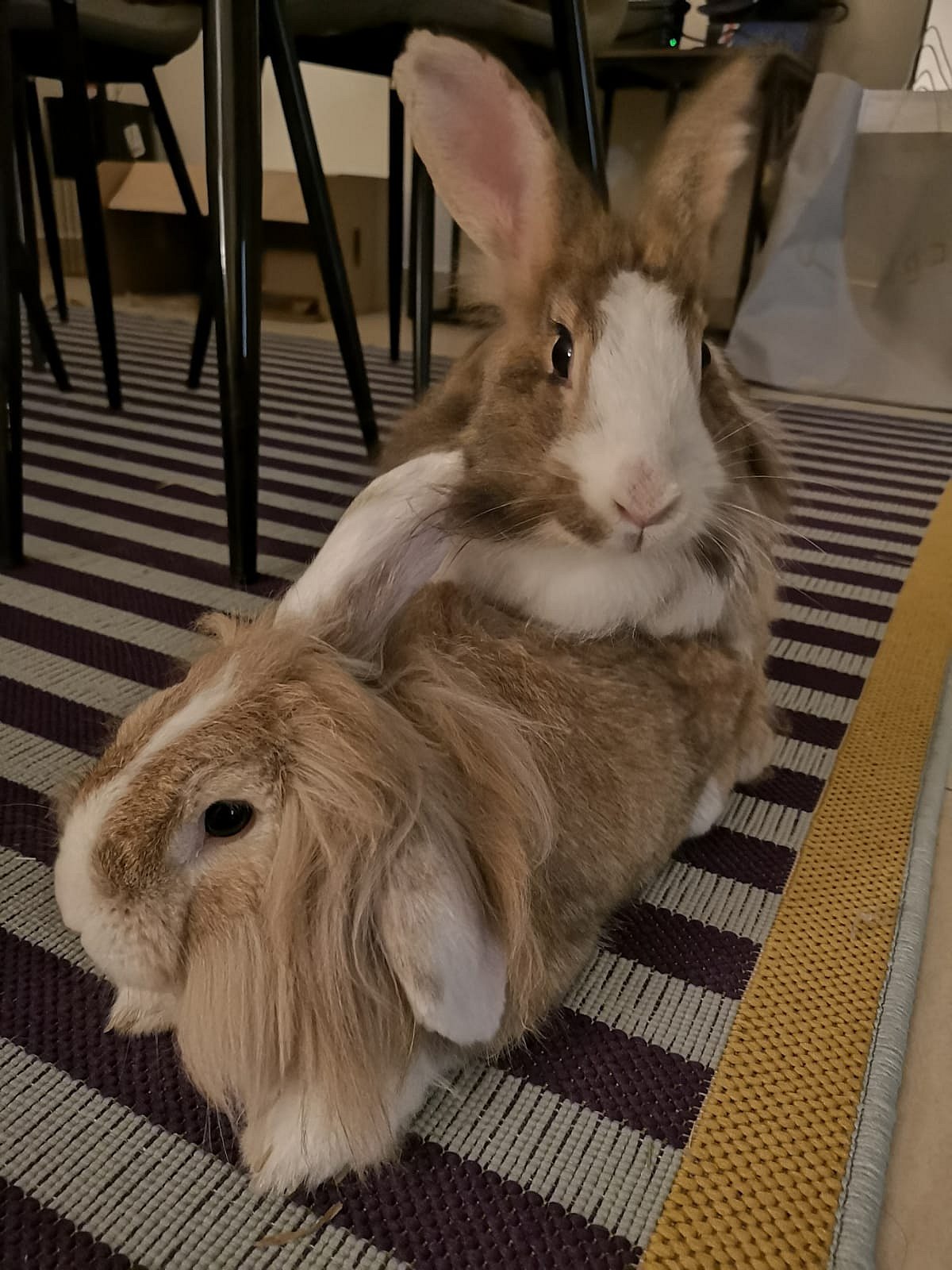
Malcolm breaks down the requests that they get:
Abandonment
-
A rabbit spotted loose on the street or hiding in a local park (could be lost, but 99% of the time it has been dumped)
-
A rabbit that has clearly been dumped because it is sick or injured
-
A rabbit that has been dumped for a wide variety of reasons
When it comes to surrender requests, the reasons are often rooted in changing life circumstances. Some families are relocating and find the logistics or costs of moving a rabbit difficult to manage. Others realise, after bringing home a tiny baby bunny, that as it grows, the space, time and daily care required are more than they anticipated.
Travel plans, limited access to pet sitters, financial strain, unexpected veterinary expenses, or downsizing to smaller homes can all make continued care feel overwhelming. In many cases, it’s not a lack of affection, but a lack of preparation or resources that leads owners to seek help.
It’s gruelling. 2025 was a particularly rough year for abandoned rabbits, as they were constantly flooded with ‘please help’ messages. “And while we have a community group numbering around 9,000 people, less than 1 per cent are active rescuers, fosters, re-homers, which means we can barely scratch the surface in terms of viable support and many requests we are simply unable to help beyond offering practical advice and suggestions,” she adds.
Like Chandel, they are also self-funded and caring for the rabbits is a financial task. The vet bills remain a constant worry. “We work with a handful of vets who have exotics specialists as part of the team,” explains Malcolm. Rabbits often require more specialised veterinary care, and not all clinics have extensive experience in treating them.
Still, as of February 2026, they have around 23 rabbits either in foster homes we know personally or that have been posted in our group, looking for forever homes.
Inside the rescue machine
Malcolm notes that they are both volunteer admins, both of them working real time and their time is spent, along with other group members who help them:
Screening requests to join the group, which is time consuming but critica. “We want to ensure we welcome genuine enquiries only and avoid time wasters as well as weed out ‘breeders and feeders, she says.
•Reaching out to enquirers looking for help to give first steps advice and suggest how they can take this forward
•Chatting with potential fosters and adopters to get to know more about their reasons, their experience, their home setup. “We always do a home visit to meet them in person before sharing details of potential adoptees.”
•Helping with rabbit bondings if a second rabbit is joining a family
•Posting new adoption or foster requests on our channels
Post adoption follow ups and check ins
•Attending or having presence at various animal welfare, vegan, relevant social events to spread awareness
•Picking up emergency cases and then trying to find temporary foster homes – and then a long-term foster or permanent home
•Answering daily requests for general care, habitat and health
• Vet visits for emergency medical care, neutering and spay
‘A constant groundhog day’
And why do they keep doing this? What keeps them going? Malcolm asks herself this same question, referring to as a ‘constant groundhog day’ scenario. “Your heart gets broken again and again.” It hurts to say ‘we don’t have a home available right now.
The rescuer burnout and fatigue singes and burns.
But, there’s still the relief and joy when they did find a loving family for a bunny who needs it. The family who has done their research and asks questions. “It does restore my faith,” she adds.
So, what can you do to help an animal and a rescuer out?
Changing the ending
• Think long-term before you bring one home.
A ‘cute, fluffy bunny’ or tiny kitten often means a decade (or more) of care. A quick pause before adopting can prevent heartbreak later, for both you and the animal.
• Amplify, even if you can’t adopt.
That “Please help” post you scroll past? A share, a tag, or even connecting someone to a rescuer can make a real difference. Small digital actions often lead to real-world saves.
• Plan ahead if you may relocate.
Life changes. Jobs move. But pets are family. Setting aside funds early for relocation or researching pet-friendly options can ensure no animal is left behind.
• Support responsible pet care.
Neutering, microchipping and proper research aren’t glamorous, but they’re what reduce abandonment in the first place. Conversations with friends matter more than we think.
• Consider being part of the solution.
Not everyone can rescue, but many can foster for a short time, donate toward vet bills, volunteer at events, or choose adoption over buying. Even one small choice can rewrite a tragic story.